
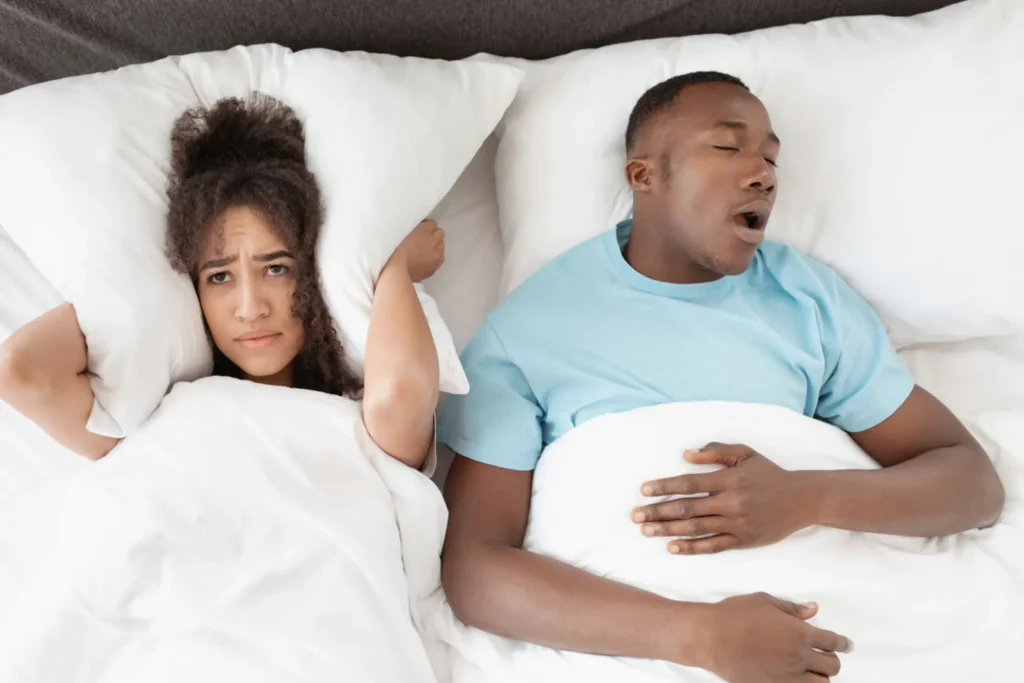
Is your snoring actually hurting your sleep quality?
Are sleep gadgets and “successful-people” routines worth the hype?
Should you try an anti snoring mouthpiece, or will it just end up in a drawer?
Yes, snoring can wreck sleep quality for you and anyone within earshot. Some trends help, some distract, and some are worth a practical test. An anti snoring mouthpiece can be a smart, budget-friendly step when your snoring is tied to how your jaw and tongue sit during sleep.
Big picture: why snoring feels louder lately
People are talking about sleep more right now—on the news, in product roundups, and in that group chat where everyone admits they’re tired. It’s not just “wellness culture.” Travel fatigue, late-night scrolling, and work burnout can stack up fast.
When you’re overtired, you may spend more time in deeper sleep stages where snoring can show up. Add alcohol, congestion, or sleeping flat on your back, and the noise can get worse. None of this means something is “wrong” with you. It means your airway is sensitive to inputs.
The emotional side: snoring is a relationship issue (and a self-esteem issue)
Snoring jokes land because they’re relatable. They also sting. Many people feel embarrassed, defensive, or worried they’re “ruining” their partner’s sleep.
Try reframing it: snoring is a shared problem with a shared goal—quiet, restorative sleep. That mindset makes it easier to test changes without turning bedtime into a debate.
Practical steps first: quick wins that don’t cost much
Before you buy another bedside device, run a simple two-week reset. Keep it basic so you can tell what actually helped.
1) Stop the sleep leak: scrolling in bed
Endless scrolling is a stealthy time thief. Set a hard “screens down” moment, even if it’s just 20–30 minutes before sleep. Put the phone across the room so you don’t negotiate with yourself at midnight.
2) Try position changes (the cheapest snoring tool)
Back sleeping often makes snoring worse for many people. Side sleeping can reduce it. Use a pillow setup that keeps your head and neck neutral, not cranked forward.
3) Reduce nasal friction
If you’re congested, your body may mouth-breathe more, which can amplify snoring. Simple steps like a warm shower before bed or a bedroom humidity tweak may help comfort. If allergies are a recurring theme, consider talking with a clinician about safe options.
4) Pick one “sleep gadget” lane
Sleep products are everywhere right now—masks, trackers, white noise, cooling pads. Choose one category and test it. Don’t stack five changes at once or you won’t know what worked.
Where an anti snoring mouthpiece fits (and how to test it without wasting a cycle)
If your snoring is mostly positional and you wake with a dry mouth, a mouthpiece may be worth a trial. Many anti-snoring mouthpieces aim to keep the jaw and/or tongue from sliding back, which can narrow the airway during sleep.
A simple 7-night mouthpiece trial plan
- Night 1–2: Focus on comfort and fit. Expect an adjustment period.
- Night 3–5: Track snoring with an app or recording. Note morning grogginess and dry mouth.
- Night 6–7: Compare to your baseline. Ask your partner for a simple rating: “better / same / worse.”
Keep other variables steady during the trial. If you change pillows, start a new workout plan, and test a mouthpiece at the same time, you’ll get messy data.
If you want a product option that bundles support features, consider this anti snoring mouthpiece. It’s a straightforward way to test whether jaw positioning and mouth opening are part of your snoring pattern.
Safety and red flags: when snoring isn’t “just snoring”
Some snoring is annoying but harmless. Some snoring can be linked with sleep-disordered breathing. If you notice choking or gasping, witnessed breathing pauses, morning headaches, or heavy daytime sleepiness, it’s worth getting evaluated.
For a general overview of symptoms and causes often discussed by clinicians, you can read Expert shares tips on getting better sleep and use it as a starting point for habits and questions to bring to your next appointment.
Comfort and fit notes (keep it realistic)
A mouthpiece shouldn’t feel like a punishment. Mild soreness or drooling can happen early on, but sharp pain, jaw locking, or tooth pain is a stop sign. If you have TMJ issues, dental work concerns, or ongoing jaw pain, check with a dentist or clinician before continuing.
Medical disclaimer: This article is for general education and is not medical advice. It does not diagnose, treat, or cure any condition. If you have symptoms of sleep apnea or persistent sleep problems, seek evaluation from a qualified healthcare professional.
FAQ: quick answers people want before they buy
Do anti-snoring mouthpieces work for everyone?
No. They often help when snoring is related to jaw/tongue position, but not every snoring pattern responds.
How fast will I know if a mouthpiece is helping?
Many people notice a change within several nights. Use a short trial with simple tracking to confirm.
Is loud snoring always sleep apnea?
No, but it can be a sign—especially with gasping, pauses in breathing, or daytime sleepiness. A clinician can guide testing.
Can a mouthpiece replace CPAP?
Sometimes oral appliances are used in certain cases, but don’t replace prescribed therapy without medical guidance.
What’s the simplest way to track snoring at home?
Record audio or use a snore app, then pair it with a morning checklist and partner feedback.
CTA: make the next step small and measurable
You don’t need a perfect bedtime routine to get progress. Pick one habit change and one tool to test. Keep notes for a week. Then decide based on results, not hope.