
- Snoring is usually an airflow problem, not a willpower problem.
- Sleep quality drops fast when breathing gets noisy, fragmented, or mouth-based.
- Trendy fixes (tape, gadgets) can distract from basics that actually move the needle.
- An anti snoring mouthpiece can be a practical, budget-friendly step for the right person.
- Know the red flags so you don’t “DIY” something that needs medical care.
Overview: why snoring is everywhere right now
Snoring used to be a punchline. Now it’s a sleep-health conversation. You see it in relationship jokes, travel fatigue posts, and workplace burnout talk. People want energy back, and they’re looking at breathing and sleep like performance metrics.
That’s why headlines about breathing habits and sleep hacks keep circulating. Some tips are solid. Others are more vibe than value. Your goal is simple: reduce nighttime airway restriction so sleep gets less interrupted.
If you want a general read on Why You’re Breathing Wrong, and How to Fix It, start there, then come back to the plan below.
Timing: when to act (and when to stop DIY)
Use this timing rule: act now if snoring is annoying or affecting rest. Stop and escalate if it looks like more than “just snoring.”
Do a 3-night baseline first
Before you buy anything, track three nights. Keep it simple: bedtime, alcohol, congestion, sleep position, and how you feel in the morning. If you share a bed, ask for a 1–10 snoring score.
Red flags that should prompt medical evaluation
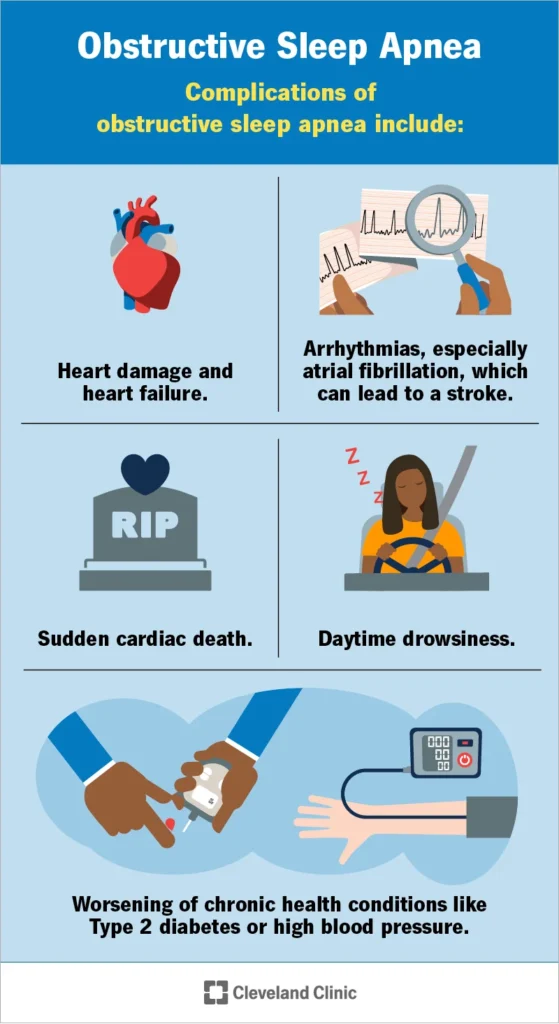
Snoring can overlap with sleep apnea symptoms. Don’t ignore these:
- Breathing pauses, choking, or gasping during sleep
- Extreme daytime sleepiness or morning headaches
- High blood pressure concerns or heart risk factors
- Snoring that’s getting worse quickly
If any apply, talk to a clinician. A mouthpiece may still play a role, but you’ll want the right diagnosis and plan.
Supplies: what you actually need (no gadget pile)
- Notes app or paper tracker (2 minutes each morning)
- Optional snore recorder app for objective “before/after”
- Nasal support basics: saline rinse or strips if you’re congested
- One primary intervention to test (not five at once)
If your baseline points to mouth-breathing or jaw position as likely contributors, a mouthpiece can be your “one thing” to test. If you want a single product to trial, consider an anti snoring mouthpiece. It’s a straightforward setup for people who suspect their mouth falls open at night.
Step-by-step (ICI): Identify → Choose → Implement
1) Identify your likely snoring pattern
Use the clues you already have:
- Mostly back-sleeping snoring: airway tends to narrow more in this position.
- Congestion-driven snoring: worse during allergies, colds, or dry hotel rooms.
- Mouth-open snoring: dry mouth in the morning, partner notices open-mouth breathing.
- Travel fatigue snoring: worse after late flights, alcohol, or short sleep.
Notice the trend: snoring often spikes when sleep is lighter, airways are irritated, or breathing routes shift. That’s why “new sleep gadgets” feel tempting. They promise control. Your tracker gives you actual signal.
2) Choose one lever to pull first (budget lens)
Don’t stack changes. If you change everything, you’ll learn nothing. Pick one:
- Position: side-sleeping strategies if snoring is mostly on your back.
- Nasal comfort: simple congestion support if you’re blocked up.
- Oral support: an anti snoring mouthpiece if jaw/tongue position seems relevant.
Many people jump straight to viral trends like mouth taping. It’s a big cultural moment, but it’s not a universal solution. If nasal airflow isn’t reliable, forcing the mouth closed can backfire.
3) Implement a 10-night test (clean and consistent)
Run a short, disciplined trial:
- Nights 1–2: focus on comfort and fit. Expect an adjustment period.
- Nights 3–7: keep bedtime and alcohol consistent. Log snoring and morning energy.
- Nights 8–10: look for a trend, not a perfect night.
Relationship tip: agree on the measurement. “I slept better” is useful. “You kept me awake” is also useful. Just decide what “success” looks like before you start.
Mistakes that waste a whole sleep cycle
Buying three fixes at once
It feels productive, but it blurs cause and effect. Test one change, then iterate.
Ignoring nasal airflow
If your nose is consistently blocked, mouth-breathing becomes the default. Address congestion patterns so any mouth-focused approach has a fair shot.
Chasing “perfect breathing” at bedtime
Breathing advice is trending, and some of it is helpful. Still, bedtime isn’t a performance review. Build an environment that supports easier breathing, then let sleep happen.
Missing sleep apnea warning signs
Snoring can be benign, but it can also be a signal. If you see pauses in breathing, choking, or severe daytime fatigue, get evaluated.
FAQ: quick answers before you buy
Is an anti snoring mouthpiece the same as a sports mouthguard?
No. A sports guard protects teeth from impact. Anti-snoring designs aim to support airflow by influencing jaw or tongue position.
Will a mouthpiece fix my sleep quality immediately?
Some people notice improvement quickly. Others need a short adjustment period. Track outcomes over multiple nights, not one.
What if I snore more after a late night or drinks?
That’s common. Travel fatigue and alcohol can relax airway tissues and fragment sleep. Use those nights as data, not as proof that nothing works.
CTA: make the next step simple
If you want a practical, low-drama trial that doesn’t rely on a drawer full of gadgets, start with one controlled test and track results. If a mouthpiece is your best next lever, use a product designed for snoring—not a random workaround.
How do anti-snoring mouthpieces work?
Medical disclaimer: This article is for general education only and isn’t medical advice. Snoring can be a sign of sleep apnea or other health conditions. If you have choking/gasping, breathing pauses, significant daytime sleepiness, chest pain, or worsening symptoms, seek care from a qualified clinician.