
Snoring isn’t just noise. It’s a sleep-quality thief.
And lately, “how you breathe” has become a full-on wellness conversation—right up there with sleep trackers, recovery scores, and the latest bedside gadget.
If your nights are loud and your mornings feel like jet lag, a simple, budget-first plan can help you figure out whether an anti snoring mouthpiece belongs in your routine.
Overview: Why snoring is suddenly everyone’s problem
Between travel fatigue, packed calendars, and workplace burnout, a lot of people are trying to “optimize” sleep. That’s why breathing habits, nasal strips, mouth tape, and smart sleep devices keep popping up in conversations and headlines.
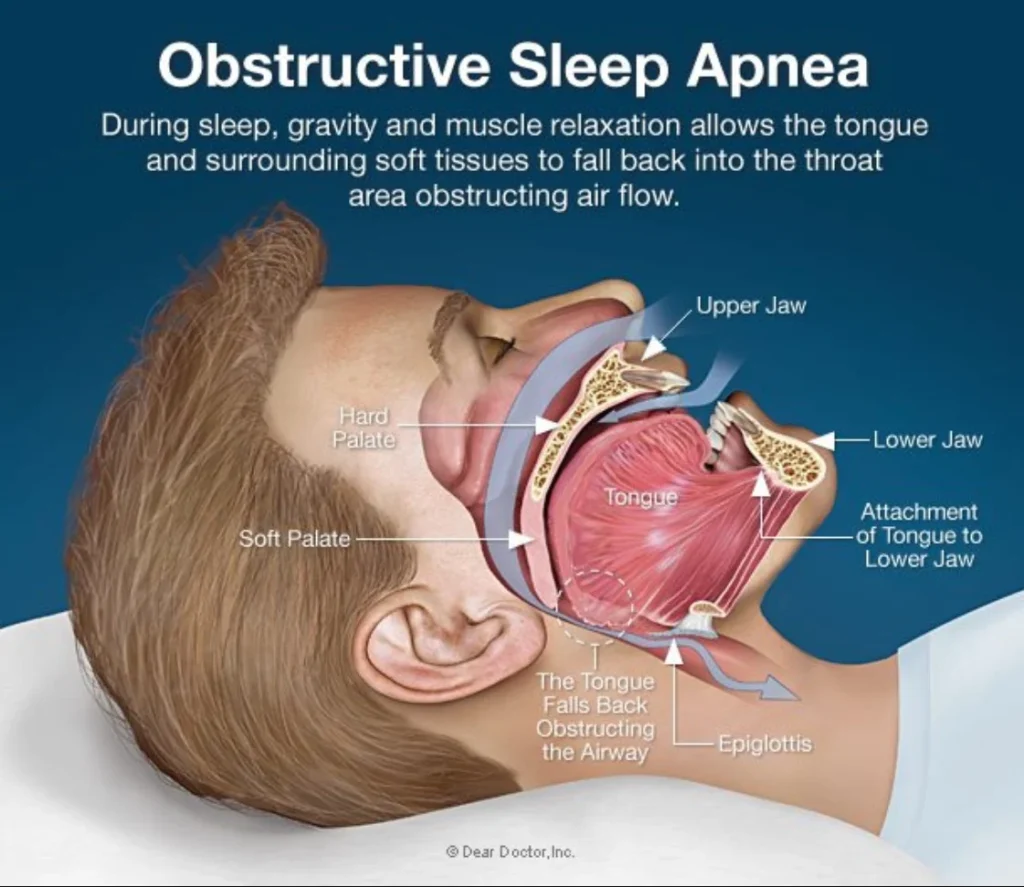
Snoring often shows up when airflow gets restricted and tissues vibrate. For some people, it’s positional. For others, it’s congestion, alcohol, or anatomy. Sometimes it can be a sign of something bigger, like sleep apnea.
If you want a general explainer that’s tied to the current conversation about breathing patterns, see Why You’re Breathing Wrong, and How to Fix It.
Timing: When to act (and when to get checked)
Don’t wait until your partner moves to the couch “as a joke” that stops being funny. Start when snoring becomes frequent, your sleep feels lighter, or you’re dragging during the day.
Also, know the line between DIY and medical care. If you have loud snoring plus choking/gasping, witnessed pauses in breathing, or major daytime sleepiness, talk to a clinician. Those can be signs of sleep apnea, which needs proper evaluation.
Supplies: A no-waste starter kit for quieter nights
You don’t need a drawer full of gadgets. Start with a few practical tools so you can test what actually helps.
- Notes app or sleep journal: Track snoring nights, alcohol, congestion, and sleep position.
- Basic nasal support (optional): Saline rinse or nasal strips if you’re often congested.
- Side-sleep support: A body pillow or wedge to reduce back-sleeping.
- Anti snoring mouthpiece (if appropriate): Especially if snoring seems worse on your back or with relaxed jaw position.
If you’re comparing options, start here: anti snoring mouthpiece.
Step-by-step (ICI): Identify → Change → Iterate
1) Identify your most likely snoring pattern
Run a simple 7-night “baseline.” Don’t change everything at once.
- What nights are worst? After drinks, after late meals, during allergies, after travel.
- What position? Many people snore more on their back.
- How do you feel? Note morning headaches, dry mouth, sore throat, or brain fog.
This keeps you from buying three products when one habit change would do more.
2) Change one variable at a time (cheap wins first)
Pick one lever and stick with it for 3–4 nights.
- Position: Try side sleeping. Use a pillow behind your back to block rolling over.
- Schedule: Keep bedtime and wake time steady for a week. Consistency matters more than perfection.
- Alcohol timing: If you drink, avoid it close to bedtime. Many people notice louder snoring after evening drinks.
- Nasal comfort: Address congestion before bed if that’s your pattern.
Think of it like debugging a device. One change, then observe.
3) Iterate with an anti snoring mouthpiece (when it fits your pattern)
If your tracking suggests jaw position and airway narrowing are part of the issue, a mouthpiece can be a reasonable next step. It’s also a common “relationship saver” because it targets the sound directly—without needing a full sleep lab setup to get started.
Use this practical approach:
- Start on a low-stakes night: Not the night before a big presentation or a long flight.
- Ease in: Wear it for short periods before sleep to get used to the feel.
- Track comfort: Watch for jaw soreness, tooth discomfort, or bite changes.
- Re-check outcomes: Did snoring drop? Did you wake up less? Any side effects?
If it helps but feels rough, don’t force it. Fit and design matter, and some people need a different style—or professional guidance.
Mistakes that waste money (and keep you tired)
Buying three fixes at once
If you try a mouthpiece, nasal strips, a new pillow, and a tracker in the same week, you won’t know what worked. You’ll only know you spent money.
Ignoring dry mouth, jaw pain, or tooth soreness
Discomfort is feedback. Mild adjustment can be normal early on, but persistent pain isn’t something to “push through.”
Assuming snoring is always harmless
Snoring can be benign, but it can also overlap with sleep apnea. If you have red flags, treat that as a priority, not a side quest.
Chasing trends instead of your pattern
Sleep culture loves a shiny gadget. Your best results usually come from matching the tool to the cause—position, congestion, breathing habits, or airway anatomy.
FAQ: Quick answers people want right now
Do anti-snoring mouthpieces work for everyone?
No. They can help many people, but they’re not universal. If sleep apnea is a concern, get evaluated.
What’s the difference between a mouthpiece and a CPAP?
Mouthpieces reposition the jaw or tongue. CPAP uses air pressure and is often used for diagnosed sleep apnea.
How do I know if my snoring could be sleep apnea?
Pauses in breathing, gasping/choking, loud persistent snoring, and significant daytime sleepiness are common warning signs. A clinician can confirm.
Can I use an anti-snoring mouthpiece if I have jaw pain or TMJ?
Use caution. Some devices can aggravate jaw issues. Consider professional advice if you have TMJ symptoms.
How long does it take to adjust?
Often several nights to a few weeks. Track comfort and next-day symptoms as you adapt.
CTA: Ready to see if a mouthpiece fits your plan?
If you want a practical next step that doesn’t require a whole nightstand of gadgets, explore mouthpiece options and compare features that match your snoring pattern.
How do anti-snoring mouthpieces work?
Medical disclaimer: This article is for general education and isn’t medical advice. Snoring can be a symptom of sleep apnea or other health conditions. If you have breathing pauses, choking/gasping, chest pain, severe daytime sleepiness, or other concerning symptoms, seek medical evaluation.