
On the third night of a work trip, someone finally joked about it at breakfast: “Who brought the chainsaw?” Everyone laughed. The person who snored didn’t. Their partner back home had been sending tired memes for weeks, and now coworkers looked wrecked too.
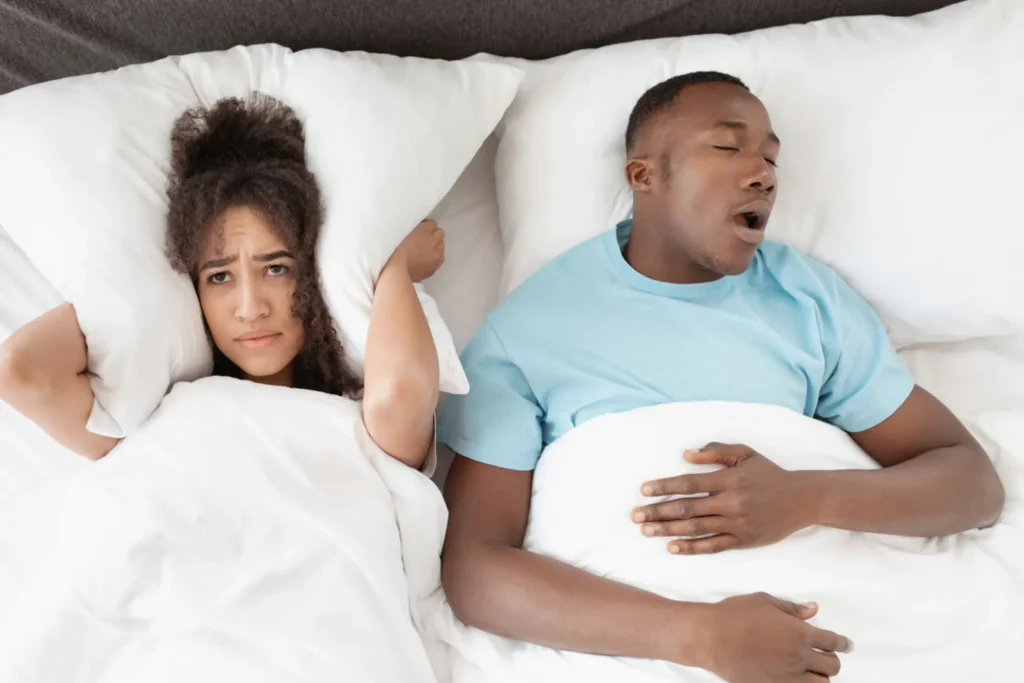
That’s the current mood around sleep: people are burnt out, traveling more, testing sleep gadgets, and trying to fix snoring without turning bedtime into a project. If you’re hearing more about oral appliances that plug into “connected care” and other tracking-heavy trends, you’re not imagining it. Sleep tech is having a moment, and snoring is often the first problem people try to solve.
Use this decision tree: if…then…
If your snoring is occasional, then start with quick context checks
If snoring mainly shows up after late meals, alcohol, congestion, or sleeping on your back, then treat it like a pattern problem first. Track the “when” for a week. Keep it simple: travel fatigue, stress, and a cold can all change airflow at night.
If your partner says it’s worst when you’re on your back, then consider positional changes alongside any device. Many people stack small fixes rather than betting on one miracle product.
If you want a device, then choose the category that matches the symptom
If your main issue is vibration from relaxed tissues and a slightly narrowed airway, then an anti snoring mouthpiece may help by supporting a more open breathing path. Some designs focus on jaw positioning (often called mandibular advancement). Others focus on tongue positioning.
If you wake up with a dry mouth and your partner says you sleep with your mouth open, then a chinstrap-style support may be relevant. It won’t fit everyone, but it can pair with a mouthpiece for people who need both jaw support and mouth-closure support.
If you’re comparing options you’ve seen in reviews and trend posts, then prioritize fit, comfort, cleaning, and return policies. Those factors tend to decide whether a device gets used after week two.
If you’re tempted by “electrical” gadgets, then slow down and read the fine print
If you’re seeing more anti-snoring gadgets that use stimulation (including TENS-style approaches), then treat them like any other health-adjacent device. Check whether the manufacturer lists clear safety info, contraindications, and support. Also confirm what standards they claim to meet in the markets where they sell.
If the product language feels like it promises guaranteed results, then be cautious. Snoring is a symptom with multiple causes, so no single tool works for everyone.
If you’re seeing connected-care headlines, then think “screening + documentation”
If you like the idea of sleep devices that can integrate with broader care, then your best move is to use data to support decisions, not to self-diagnose. People are talking about oral appliances that fit into a connected-care ecosystem, which signals a broader trend: snoring tools are moving closer to monitored care pathways.
If you want a general reference point for that trend, read more by searching this: Why TENS Anti-Snoring Device Manufacturer China CE Compliant Is Expanding Globally. Use it as cultural context, not as a reason to skip proper screening.
If any red flags show up, then pause shopping and get checked
If you have loud snoring plus choking/gasping, witnessed breathing pauses, morning headaches, or strong daytime sleepiness, then don’t treat this like a simple comfort upgrade. Those signs can overlap with sleep apnea symptoms, and it’s worth a medical evaluation. If you want a plain-language overview of sleep apnea symptoms and causes, Mayo Clinic is a solid starting point.
If you have jaw pain, loose teeth, significant dental work, or TMJ issues, then talk with a dental professional before using an oral appliance. Comfort problems don’t just “toughen out.” They often get worse if you ignore them.
How to pick an anti-snoring mouthpiece without regrets
Fit and comfort: the real make-or-break
If the device feels bulky or triggers gagging, then it probably won’t survive your routine. Aim for a fit that feels secure but not forced. Your goal is consistent use, not one heroic night.
Hygiene and replacement: reduce infection risk
If you’re using a mouthpiece nightly, then cleaning is part of the deal. Keep it dry between uses, store it in a ventilated case, and replace it when it shows wear or won’t clean well anymore. That reduces odor, irritation, and hygiene issues.
Document your choice (yes, really)
If you share a bed, then snoring becomes a relationship issue fast. Write down what you tried, when you tried it, and what changed. It prevents arguments that start with “You never did anything about it,” and it helps you make smarter next steps.
FAQs
Can an anti snoring mouthpiece help if I only snore sometimes?
It can, especially when snoring is positional, related to congestion, or shows up after alcohol or travel fatigue. If snoring is new, loud, and persistent, screen for red flags first.
Is snoring always a sign of sleep apnea?
No. Many people snore without sleep apnea. Still, choking/gasping, witnessed breathing pauses, or significant daytime sleepiness deserve medical evaluation.
What’s the difference between a mouthpiece and a chinstrap?
A mouthpiece typically positions the jaw or tongue to keep airflow more open. A chinstrap mainly supports keeping the mouth closed, which may reduce mouth breathing and dryness for some people.
How long does it take to get used to an oral appliance?
Many people need several nights to a few weeks to adapt. If you develop jaw pain, tooth pain, or bite changes, stop and consult a dental professional.
How do I clean an anti-snoring mouthpiece safely?
Rinse after use, brush gently with mild soap, and let it fully dry. Avoid harsh chemicals or high heat unless the manufacturer specifically allows it.
CTA: choose a combo approach if mouth opening is part of your pattern
If your snoring gets worse with mouth breathing, then a combined setup can be simpler than mixing random gadgets. Consider an anti snoring mouthpiece to cover both jaw positioning and mouth-closure support in one plan.
Medical disclaimer: This article is for general education and is not medical advice. Snoring can have multiple causes, including conditions that need professional evaluation. If you have symptoms such as choking/gasping during sleep, witnessed breathing pauses, chest pain, severe daytime sleepiness, or persistent morning headaches, seek care from a qualified clinician.