
On the third night of a work trip, “Sam” did the math at 2:11 a.m. One more loud snore and the hotel pillow was getting promoted to a wall between them. The next morning, Sam did what a lot of tired people do right now: opened a shopping app, searched sleep gadgets, and wondered if an anti snoring mouthpiece could save everyone’s mood.
That mix of travel fatigue, burnout, and relationship humor is basically the current snoring conversation. People want a quick fix, but they also want to know what’s normal and what’s not.
What people are trying right now (and why snoring is “having a moment”)
Sleep is trending like a productivity tool. You’ll see wearables, smart alarms, and “biohacking” routines everywhere. Snoring sits in the middle of it because it’s loud, measurable, and instantly annoying.
Recent health coverage has also pushed a bigger point: some snoring is harmless, and some can be a sign of sleep apnea. That’s why the conversation keeps shifting from “stop the noise” to “protect sleep health.”
The most common snoring fixes people rotate through
- Position changes (side sleeping, head elevation)
- Nasal support (strips, saline, allergy control)
- Routine tweaks (alcohol timing, consistent bedtime)
- Oral devices like mouthpieces that adjust jaw/tongue position
What matters medically (snoring vs. possible sleep apnea)
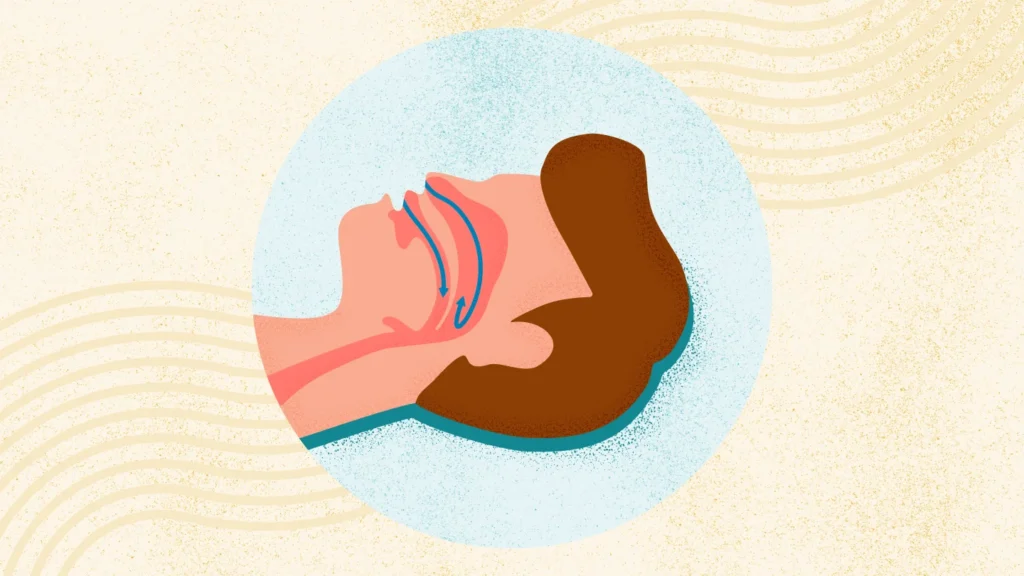
Snoring happens when airflow gets turbulent and soft tissue vibrates. The “why” varies. Congestion can do it. Sleeping on your back can do it. Jaw position can do it too.
But there’s a separate concern: obstructive sleep apnea, where the airway repeatedly narrows or closes during sleep. Several mainstream health sources have highlighted that people often miss the quieter clues, not just the snoring itself.
Clues that should move you from DIY to evaluation
- Someone notices breathing pauses, choking, or gasping
- You wake up unrefreshed even after “enough” hours
- Daytime sleepiness, brain fog, or dozing off easily
- Morning headaches or dry mouth
- High blood pressure concerns (especially if snoring is loud and persistent)
If you want a quick, credible overview, see this: 5 Signs Of Sleep Apnea That Most People Miss.
How to try at home (without wasting a month)
If your snoring seems position- or jaw-related, a mouthpiece can be a practical next step. The goal is simple: support a more open airway by changing how your jaw and tongue sit during sleep.
Step 1: Do a fast “snore pattern” check
- Back-only snoring: position work may help fast.
- Snoring with nasal blockage: start with nasal routines first.
- Snoring most nights: consider a structured trial (mouthpiece + habit tweaks).
Step 2: Mouthpiece basics (ICI: fit, comfort, positioning)
Fit: A poor fit is the #1 reason people quit. Follow the product’s molding/adjustment steps carefully and re-check fit after the first few nights.
Comfort: Expect a short adaptation window. Mild drooling or pressure can happen early on. Sharp pain, jaw locking, or tooth pain is not a “push through it” situation.
Positioning: Many anti-snoring mouthpieces work by gently bringing the lower jaw forward. Small changes matter. Over-advancing can cause soreness and reduce compliance.
Step 3: Pair it with two “boring but effective” habits
- Side-sleep setup: pillow placement that stops back-rolling.
- Wind-down timing: reduce late alcohol and heavy meals when possible.
Step 4: Keep it clean (so you actually keep using it)
- Rinse after each use and let it dry fully.
- Use a gentle cleaner as directed (avoid harsh heat that can warp materials).
- Store it in a ventilated case.
Considering a combo approach?
If mouth breathing is part of your pattern, a combo product may be worth considering. Here’s a relevant option to compare: anti snoring mouthpiece.
When to stop experimenting and talk to a professional
DIY is fine for simple snoring. It’s not the right lane if you suspect sleep apnea or if symptoms are affecting safety, mood, or work performance.
Make an appointment (or ask about a sleep study) if:
- Snoring is loud and frequent, especially with gasping or witnessed pauses
- You have significant daytime sleepiness or drowsy driving risk
- Your partner reports “scary” breathing patterns at night
- You have heart or blood pressure concerns alongside snoring
Medical disclaimer: This article is for general education and does not provide medical advice, diagnosis, or treatment. If you suspect sleep apnea or have concerning symptoms, talk with a qualified clinician.
FAQ
Can an anti snoring mouthpiece replace CPAP?
Sometimes oral devices are prescribed for certain cases, but CPAP is a standard therapy for many people with sleep apnea. A clinician can help match treatment to severity and anatomy.
What if I only snore when I’m exhausted or traveling?
Travel fatigue, alcohol timing, and sleeping on your back can spike snoring. Try position support, hydration, and consistent sleep timing first, then consider a mouthpiece trial if it persists.
Is it normal to feel jaw soreness at first?
Mild soreness can happen during adaptation. Ongoing pain, bite changes, or tooth pain should prompt stopping use and seeking dental or medical guidance.
CTA: Start with a simple, structured trial
If your snoring seems related to jaw position or mouth breathing, a mouthpiece can be a reasonable next step. Keep the trial short, track results, and don’t ignore red flags.