
Before you try another snoring “hack,” run this checklist.
- Safety first: skip trends that restrict breathing if you’re not sure they’re safe for you.
- Pick one change at a time: otherwise you won’t know what helped.
- Track two numbers: how loud/often the snoring is, and how you feel the next day.
- Budget guardrails: set a 14-night test window before buying a drawer full of gadgets.
- Know your red flags: choking, gasping, or pauses in breathing deserve medical attention.
Overview: What people are trying right now (and why)
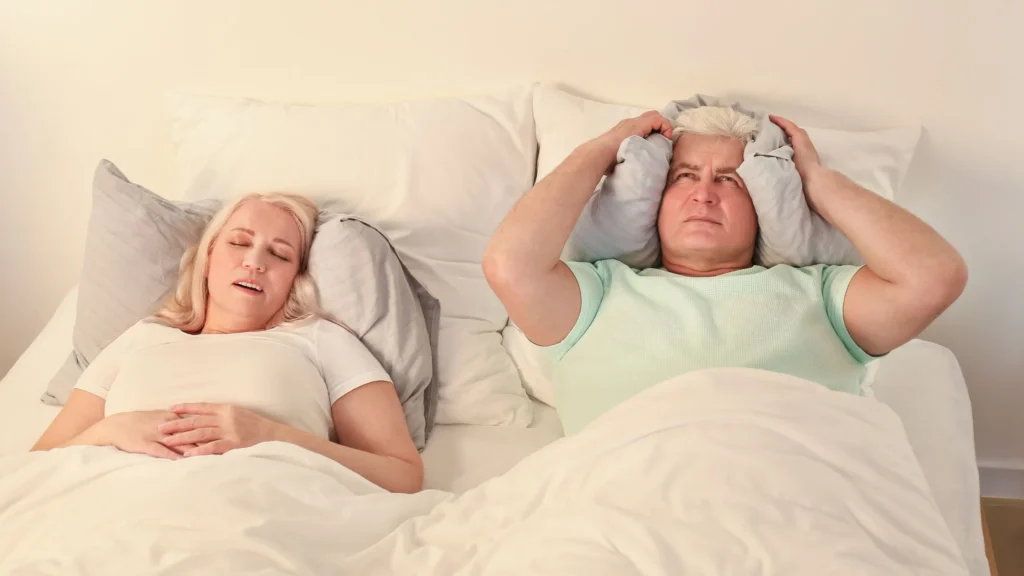
Snoring has become a full-on lifestyle topic. You’ll see sleep trackers, sunrise lamps, “smart” pillows, and travel-friendly gadgets everywhere. Add relationship humor (“your snore is a third roommate”) and workplace burnout, and it makes sense that people want a fast fix.
At the same time, viral trends can move faster than the science. One recent example is nighttime mouth taping, which has prompted experts to raise safety concerns. If you’re tempted by it, read up on Scientists warn against viral nighttime mouth-taping trend before you experiment.
If you want a more practical route, an anti snoring mouthpiece is often on the shortlist because it’s simple, reusable, and doesn’t rely on apps or subscriptions.
Timing: When to test changes for the least frustration
Don’t start a new snoring solution the night before a big meeting, a red-eye flight, or a weekend trip. Travel fatigue already messes with sleep quality, and you’ll blame the wrong thing.
Instead, choose a calm two-week stretch. Keep bedtime and wake time as steady as you can. Even small shifts can change snoring.
Supplies: What to gather (no gadget pile-up)
You don’t need a lab setup. You need a few basics so you can tell if you’re improving or just hoping.
- Notes app or paper log: rate snoring (0–3) and morning energy (0–3).
- Your phone: optional audio recording for a few nights (not forever).
- Side-sleep support: a pillow you already own, or a simple positioning aid.
- Hydration + nasal comfort basics: whatever you normally tolerate (keep it simple).
- If you choose a mouthpiece: review anti snoring mouthpiece and pick one approach to test.
Step-by-step (ICI): Identify → Choose → Implement
1) Identify your most likely snoring pattern
You’re not diagnosing yourself here. You’re choosing the most reasonable starting point.
- Mostly back-sleeping snore: louder on your back, better on your side.
- Nasal congestion nights: worse with allergies, colds, dry air, or after travel.
- Late-night lifestyle snore: worse after alcohol, heavy meals, or very late bedtime.
If you have choking/gasping, witnessed pauses, or severe daytime sleepiness, skip the experiments and get checked for sleep apnea.
2) Choose one primary lever (not five)
Here’s the no-waste rule: pick one lever for 14 nights.
- Position lever: commit to side-sleeping support.
- Airflow lever: focus on nasal comfort and bedroom air (within what’s safe for you).
- Oral device lever: trial an anti snoring mouthpiece to see if it reduces vibration and improves sleep quality.
Why not mouth taping as the “easy lever”? Because restricting airflow can be risky for some people, especially if nasal breathing isn’t consistently clear. Trendy does not equal harmless.
3) Implement with a simple 3-part routine
30 minutes before bed: dim lights, stop scrolling, and avoid “one more episode.” Your nervous system needs a downshift more than another gadget.
At lights out: set your environment (cool, dark, quiet) and commit to your single lever. If you’re using a mouthpiece, follow the product instructions and aim for comfort, not toughness.
In the morning: log two scores: snoring severity (if you have a partner or recording) and how restored you feel. That’s it.
Mistakes that waste a week (and your budget)
Mixing too many fixes at once
If you start a new pillow, a new supplement, a new tracker, and a mouthpiece in the same week, you won’t know what worked. You’ll also quit early because the routine feels complicated.
Chasing “perfect breathing” content
Breathing tips can be useful, but online advice often turns into performance. Sleep should feel simpler over time, not more stressful.
Ignoring the relationship factor
Snoring jokes are common, but real sleep loss builds resentment fast. Set a two-week experiment together, agree on what “better” means, and reassess without blaming.
Missing signs that it’s bigger than snoring
Snoring can be just snoring. It can also overlap with obstructive sleep apnea. If symptoms suggest apnea, a mouthpiece might not be the right first step without professional guidance.
FAQ: Quick answers about snoring, mouthpieces, and sleep quality
Can an anti snoring mouthpiece improve sleep quality?
It can for some people if it reduces snoring and micro-awakenings. Better sleep quality often shows up as improved morning energy and fewer partner disruptions.
What if I only snore when I’m exhausted from travel?
Travel fatigue, dry hotel air, and disrupted schedules can all worsen snoring. Try a short reset: consistent bedtime, hydration, and side-sleeping support before you buy anything new.
Are “sleep gadgets” worth it?
Some can help comfort and routine, but they can also turn sleep into a project. If you’re burned out, pick the lowest-effort change that you can repeat nightly.
How do I know if the mouthpiece is a bad fit?
Stop and reassess if you have significant jaw pain, tooth pain, or worsening sleep. Comfort matters because consistency is what makes any trial meaningful.
Medical disclaimer: This article is for general education and does not provide medical advice, diagnosis, or treatment. Snoring can be a sign of a sleep-related breathing disorder. If you have concerning symptoms (gasping, pauses in breathing, severe daytime sleepiness, or high blood pressure), talk with a qualified clinician.
CTA: Make the next step simple
If you want a budget-friendly trial that doesn’t require charging, syncing, or subscriptions, consider testing a mouthpiece for two weeks and tracking your results.