
- Snoring is trending again because sleep gadgets are everywhere, and people are tired of feeling tired.
- Sleep quality isn’t just hours in bed; it’s how often your sleep gets disrupted.
- An anti snoring mouthpiece can be a practical option when lifestyle tweaks aren’t enough.
- Relationship reality: snoring jokes are funny until someone’s on the couch for the third night.
- Test, don’t guess: a simple 2-week trial beats buying five “miracle” fixes.
The big picture: why snoring is in the spotlight right now
Sleep has become a full-on category: trackers, apps, “smart” pillows, and devices that promise quieter nights. Recent coverage has also highlighted curated lists of sleep products and expert reminders about basic sleep habits. That mix pushes a simple question to the top: what actually improves sleep quality when snoring is the main problem?
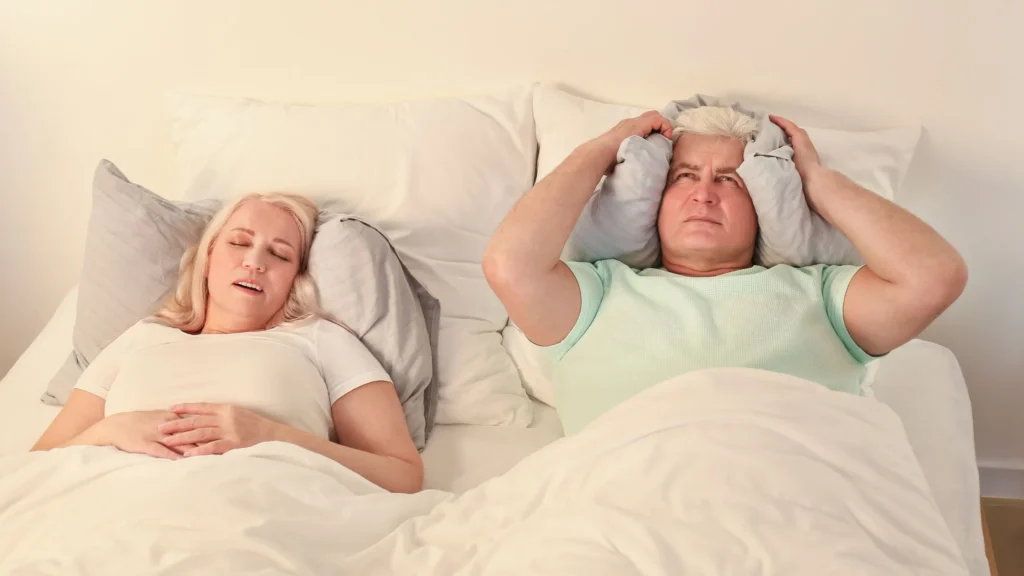
Another reason this topic keeps resurfacing: travel fatigue and irregular schedules. When people bounce between time zones, early meetings, and late-night scrolling, snoring can feel louder and more disruptive. The result is a familiar pattern—more gadgets, more experimenting, and more frustration.
If you’re comparing options, it helps to look at neutral discussions like a Why TENS Anti-Snoring Device Manufacturer China CE Compliant Is Expanding Globally. Use that kind of lens: what’s plausible, what’s measurable, and what’s safe to try at home.
The human side: snoring isn’t just noise
Snoring tends to become a “small” problem until it starts affecting moods, patience, and morning energy. One person feels blamed. The other feels robbed of sleep. Even good relationships can get tense when bedtime turns into a negotiation.
Workplace burnout also plays a role. When you’re already running on fumes, broken sleep hits harder. That’s why so many people are hunting for fixes that feel simple and fast.
Practical steps: a no-drama plan to improve sleep quality
Step 1: reduce the easy snoring triggers
Start with the basics for a week. You’re not aiming for perfection; you’re trying to remove obvious fuel from the fire.
- Cut the scroll buffer. If social media steals an hour, your sleep window shrinks and snoring often becomes more noticeable.
- Limit alcohol close to bedtime. Many people find it worsens snoring and fragments sleep.
- Try side-sleeping support. A body pillow or positional cue can help if you mainly snore on your back.
- Address nasal stuffiness. Simple, non-medicated steps (like humidifying your room) may help some people breathe easier at night.
Step 2: decide if an anti snoring mouthpiece fits your situation
People are talking about mouthpieces because they’re a tangible, at-home option. Unlike a tracker (which measures sleep), a mouthpiece aims to change what happens during sleep.
In plain terms, many anti-snoring mouthpieces work by gently repositioning the lower jaw or supporting the mouth to reduce airway narrowing. That can mean less vibration and fewer awakenings from noise—yours or your partner’s.
If you want a product option that pairs two common approaches, consider an anti snoring mouthpiece. The goal is straightforward: encourage steadier breathing and reduce mouth-open snoring for the right user.
Step 3: run a 14-night “sleep quality” test
Don’t rely on one night. Use a short trial so you can separate a real improvement from a random good night.
- Nights 1–3: focus on comfort and fit. Mild adjustment is common; sharp pain isn’t.
- Nights 4–10: track outcomes. Ask: fewer wake-ups? less partner nudging? more refreshed mornings?
- Nights 11–14: decide if it’s a keeper. If it helps but feels rough, you may need a different style or a professional fitting.
Quick measurement idea: rate snoring impact each morning from 0–10 (0 = no issue, 10 = terrible). If the trend improves, you’re learning something useful.
Safety and testing: what to watch before you commit
Red flags that should override gadget-hunting
Snoring can be harmless, but it can also be linked with sleep-disordered breathing. Seek medical guidance promptly if you notice choking/gasping during sleep, loud snoring with significant daytime sleepiness, or witnessed breathing pauses.
Also get checked if snoring is new and severe, or if you have high blood pressure or heart/lung conditions. Those aren’t DIY moments.
Mouthpiece comfort rules (simple and strict)
- Stop if pain persists. Jaw pain, tooth pain, or headaches that build over days are not “normal toughing it out.”
- Watch your bite. If your bite feels off during the day and doesn’t settle, pause use and ask a dental professional.
- Prioritize fit and materials. Use products as directed, keep them clean, and replace when worn.
FAQ: quick answers people ask before buying
Is a mouthpiece better than a “sleep gadget” that tracks my sleep?
They do different jobs. Trackers can highlight patterns, but a mouthpiece tries to reduce the snoring itself. Many people use both: one to intervene, one to measure.
What if I only snore when I travel?
Travel can change sleep position, hydration, and congestion. Start with positioning and routine first, then consider a mouthpiece if the pattern repeats on most trips.
Can my partner and I make this less awkward?
Yes. Frame it as a shared sleep-quality project, not a personal flaw. Agree on a two-week trial and a simple “did it help?” score.
Medical disclaimer: This article is for general education and does not provide medical advice or diagnose any condition. If you suspect sleep apnea or have concerning symptoms (gasping, pauses in breathing, severe daytime sleepiness), talk with a qualified clinician or dentist.