
- Snoring is trending because sleep gadgets are everywhere and burnout is real.
- Sleep quality matters more than “hours in bed.” Fragmented sleep adds up fast.
- An anti snoring mouthpiece is a common first try when snoring sounds like airway vibration, not illness.
- Timing beats willpower. The best plan is the one you can repeat nightly.
- Know the stop signs. Some snoring needs a clinician, not another gadget.
Overview: what people are talking about right now
Snoring is having a moment, and not in a cute way. Sleep trackers, “smart” everything, and constant travel fatigue have pushed sleep from a private problem into a public obsession. Add relationship humor (the “I’m fine on the couch” storyline) and workplace burnout, and suddenly everyone wants a faster fix.
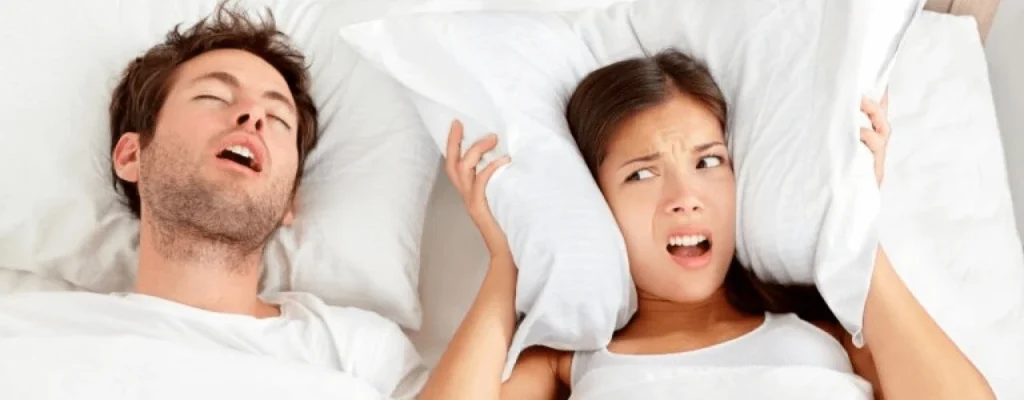
Recent coverage has also spotlighted how broad the sleep market has become, from device manufacturers expanding globally to roundups of products that promise better rest. The takeaway: people want practical solutions, and they want them to feel credible.
If you’re comparing options, skim Why TENS Anti-Snoring Device Manufacturer China CE Compliant Is Expanding Globally to see the kinds of solutions getting attention.
Timing: when snoring hits hardest (and when fixes work best)
Snoring is rarely random. It often spikes when your airway gets narrower or your sleep gets lighter and more fragmented.
High-risk nights
- After travel: dry hotel air, odd pillows, and shifted sleep schedules can change breathing.
- During burnout weeks: stress can disrupt sleep depth and recovery, which makes small issues feel huge.
- After alcohol or heavy late meals: these can relax tissues and increase vibration for some people.
- During allergy or congestion flares: nasal blockage can push you toward mouth breathing.
Best time to test an anti snoring mouthpiece
Pick a stable week. Avoid starting it the night before a big presentation or a flight. Give yourself a runway to adapt, because the first nights can feel unfamiliar.
Supplies: what you actually need (skip the junk drawer)
Keep this tight. More gear often creates more friction.
- A quality anti snoring mouthpiece you can fit and clean consistently.
- Basic cleaning setup: mild soap, cool water, and a ventilated case.
- Notes app: track snoring intensity (partner rating counts) and how you feel in the morning.
If you’re shopping, start with anti snoring mouthpiece and narrow based on comfort, adjustability, and clear instructions.
Step-by-step (ICI): Implement → Check → Improve
This is the simplest loop that keeps you from bouncing between gadgets.
1) Implement: set yourself up for night one
- Read the fitting directions before bedtime. Don’t wing it at 11:58 p.m.
- Start on a low-stakes night so you can remove it if it feels wrong.
- Pair it with one easy sleep move: side sleeping or a consistent bedtime window.
2) Check: measure what matters (not just a score)
- Noise: Did snoring volume or frequency drop?
- Sleep quality: Do you wake fewer times? Do mornings feel less foggy?
- Comfort: Any jaw soreness, tooth pressure, or gum irritation?
Wearables can help, but don’t let a single “sleep score” overrule real-life outcomes. If your partner stops nudging you at 2 a.m., that’s data.
3) Improve: adjust without overcomplicating
- Tweak fit gradually if the product allows it. Big jumps often backfire.
- Support nasal breathing when possible: address congestion and dry air in the room.
- Re-test after lifestyle changes like travel, new workouts, or a schedule shift.
Mistakes that waste time (and keep you snoring)
Using it like a “one-night cure”
Most people need a short adaptation period. Quitting after one rough night is common and avoidable.
Ignoring comfort signals
Pressure, jaw pain, or gum irritation isn’t something to “push through.” Poor fit can ruin sleep quality and make you abandon the plan.
Chasing every trend at once
It’s tempting to stack a mouthpiece, a new pillow, mouth tape, supplements, and a tracker in the same week. That makes it impossible to know what helped.
Missing the medical red flags
Snoring plus choking/gasping, witnessed breathing pauses, or severe daytime sleepiness deserves medical attention. A device can’t evaluate what’s happening in your airway.
FAQ
Is an anti snoring mouthpiece the same as a night guard?
No. A night guard mainly protects teeth from grinding. Anti-snoring designs aim to improve airflow and reduce vibration.
What if my snoring is worse on my back?
That’s a common pattern. A mouthpiece may still help, but combining it with side-sleep support often improves results.
Can breathing habits affect snoring?
They can. General sleep coverage has highlighted that many people breathe inefficiently, especially when congested or stressed. If nasal breathing is difficult, address the cause rather than forcing it.
CTA: pick one plan and run it for 14 nights
If snoring is hurting your sleep quality (or your relationship), don’t wait for the “perfect” solution. Pick a straightforward setup, track outcomes, and adjust based on comfort and results.
How do anti-snoring mouthpieces work?
Medical disclaimer: This article is for general education only and is not medical advice. Snoring can have many causes, including sleep-related breathing disorders. If you have breathing pauses, gasping, chest pain, severe daytime sleepiness, or concerns about your health, seek evaluation from a qualified clinician.