
Snoring isn’t just a punchline. It can turn bedtime into a negotiation and mornings into a fog.
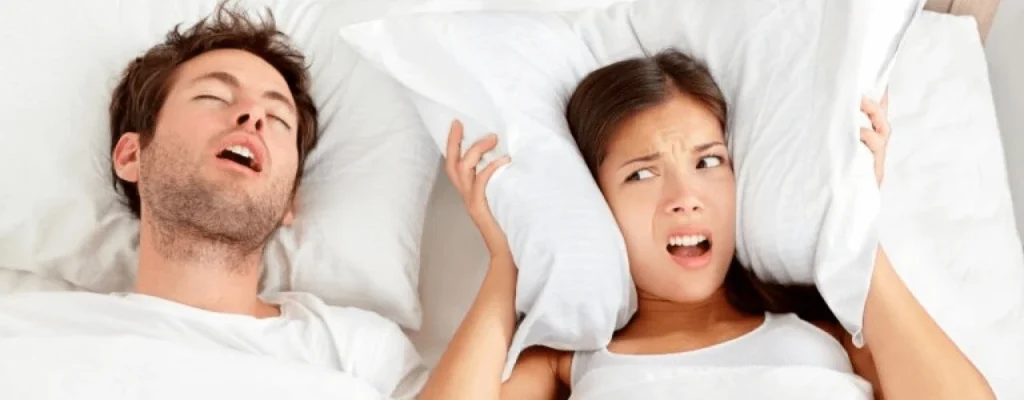
And lately, sleep talk is everywhere: new gadgets, “sleep-maxing” routines, and burnout-driven bedtime doomscrolling.
If your sleep quality is slipping, an anti snoring mouthpiece can be a practical, low-drama step—when you choose it safely and screen for red flags first.
Start here: is this “just snoring” or a sign to get checked?
Snoring can be simple vibration from relaxed tissues. It can also show up alongside breathing issues that deserve medical attention. Recent sleep coverage keeps circling back to the same theme: better sleep starts with basics, but you should not ignore warning signs.
If you notice these, then prioritize screening (not gadgets)
- If you wake up choking, gasping, or with a racing heart, then consider a sleep apnea evaluation.
- If your partner reports breathing pauses, then treat that as a serious clue.
- If you’re unusually sleepy during the day, nod off easily, or feel unrefreshed after 7–9 hours, then get checked.
- If you have morning headaches, high blood pressure, or mood/attention issues that are getting worse, then ask a clinician about sleep-disordered breathing.
Those patterns are commonly discussed as missed signs of sleep apnea in mainstream health reporting. A mouthpiece may reduce noise, but it’s not a substitute for diagnosis or treatment.
Decision guide: choose your next step with “If…then…”
If your snoring is occasional (travel, late nights, burnout), then fix the easy multipliers first
Travel fatigue and irregular schedules can make snoring louder. So can alcohol close to bedtime, congestion, and sleeping flat on your back. If you’ve been “losing three hours” to scrolling, you’re not alone—sleep hygiene is trending because it works.
- If your bedtime drifts because of social media, then set a hard phone cutoff and charge it away from the bed.
- If you wake up dry-mouthed, then consider whether mouth-breathing is part of the picture.
- If snoring spikes only when you’re on your back, then try side-sleep positioning before buying more gear.
These steps also reduce the chance you’ll blame a mouthpiece for a problem that’s really schedule chaos.
If your partner is losing sleep (and patience), then pick a solution you can document and stick with
Relationship humor about snoring lands because it’s real: one person sleeps, the other spirals. A plan helps. Write down what you tried, when you tried it, and what changed. This protects your time and makes it easier to talk to a clinician if you need to.
- If snoring is nightly, then track it for 10–14 days (notes, an app, or partner feedback).
- If you’re trying multiple products, then change only one variable at a time.
If you want a device-based option, then decide whether a mouthpiece fits your situation
Sleep products are having a moment—masks, pillows, wearables, and anti-snoring devices. Mouthpieces remain popular because they’re simple and portable, and they don’t require a power source.
- If you suspect jaw position plays a role (snoring worse on your back, improved with side sleeping), then an anti snoring mouthpiece may be worth a trial.
- If you have significant jaw pain, TMJ issues, loose teeth, gum disease, or extensive dental work, then get dental guidance before using one.
- If nasal congestion is the main issue, then address nasal breathing first; a mouthpiece may not solve it alone.
How an anti-snoring mouthpiece typically helps (plain-language)
Many mouthpieces aim to keep the airway more open by gently positioning the lower jaw forward during sleep. That can reduce tissue vibration that creates snoring. Comfort and results vary, so think of it as a structured trial, not a forever commitment on night one.
Safety and risk control: reduce problems before they start
When sleep gadgets trend, people sometimes skip the boring parts: hygiene, fit, and stop-sign symptoms. Don’t.
If you’re trying a mouthpiece, then follow a “clean-fit-check” routine
- Clean: Rinse after use, clean daily per instructions, dry fully, and store in a ventilated case.
- Fit: Stop if you develop sharp pain, gum injury, or worsening jaw symptoms.
- Check: Reassess snoring, daytime energy, and partner sleep weekly. If there’s no meaningful improvement, pivot.
This lowers infection risk, reduces mouth irritation, and helps you make a defensible choice if you later need professional care.
What people are buying right now (and what to watch for)
You’ll see everything from mouthpieces to electronic stimulation devices as companies expand globally. That doesn’t automatically mean a product is right for you. Look for clear instructions, realistic claims, and a return policy. Be cautious with anything that promises a “cure” without mentioning screening for sleep apnea.
Quick sleep-quality wins that make any snoring plan work better
Experts keep repeating the fundamentals because they’re high-impact. They also make mouthpiece trials easier to judge.
- Keep a consistent wake time, even after a rough night.
- Limit alcohol close to bedtime.
- Cool, dark room. Quiet if possible.
- Build a short wind-down that doesn’t involve scrolling.
For more general guidance, see Why TENS Anti-Snoring Device Manufacturer China CE Compliant Is Expanding Globally.
FAQ: fast answers before you buy
Will a mouthpiece help if my snoring is from allergies?
It might, but congestion often needs its own plan. If your nose is blocked most nights, start there so you can breathe comfortably.
What if I snore but feel “fine” during the day?
Track it anyway. Many people normalize fatigue. If snoring is loud and frequent, or your partner notices breathing pauses, get screened.
Can I use an anti-snoring mouthpiece with a chin strap?
Some people like a combo approach when mouth-breathing is part of the issue. Comfort matters, and you should stop if you feel restricted or panicky.
CTA: pick a simple, trackable next step
If you want a product option that targets jaw position and mouth breathing, consider an anti snoring mouthpiece. Keep your trial structured: same bedtime window, same cleaning routine, and weekly check-ins on snoring and daytime energy.
Medical disclaimer: This article is for general education and does not provide medical advice or a diagnosis. If you have symptoms suggestive of sleep apnea (breathing pauses, gasping, significant daytime sleepiness, or cardiovascular concerns), seek evaluation from a qualified clinician.