
At 2:13 a.m., someone rolls over, hears the snore start again, and does the quiet math: How many hours until the alarm? A pillow gets nudged. A sigh gets swallowed. By morning, it’s not just tiredness—it’s tension.
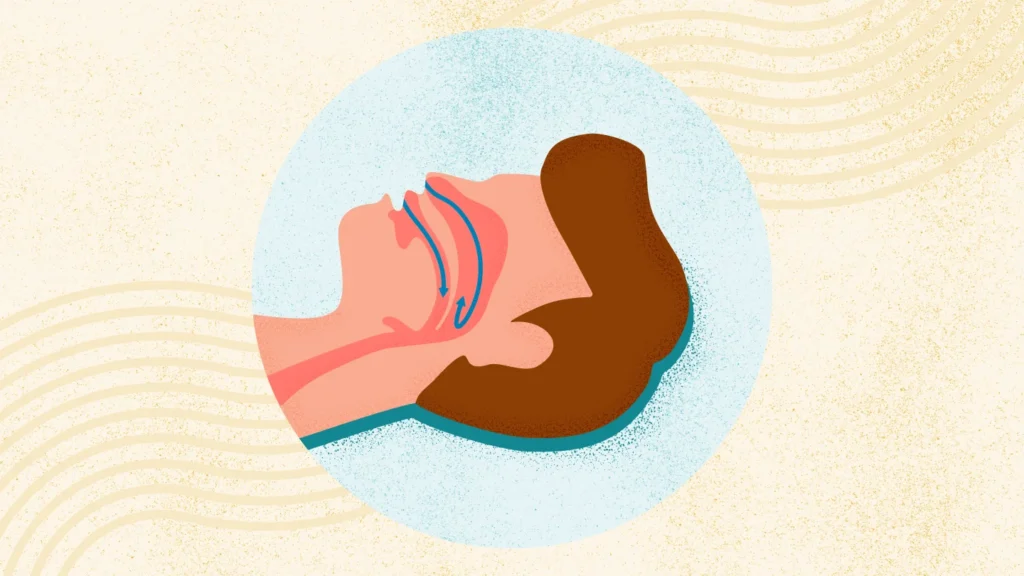
Snoring has become a weirdly public topic lately. Sleep trackers, “smart” alarms, viral bedtime routines, and endless scrolling guilt all keep sleep in the spotlight. Add travel fatigue and workplace burnout, and people are hunting for fixes that feel immediate. That’s where an anti snoring mouthpiece often enters the chat.
The bigger picture: snoring isn’t just noise
Snoring can be a simple vibration problem, or it can signal a bigger airway issue. Either way, it can crush sleep quality for both people in the room. Poor sleep stacks up fast: mood gets sharper, focus gets worse, and patience runs out early.
There’s also a health angle that’s hard to ignore. Snoring can sometimes be linked with sleep-disordered breathing, including obstructive sleep apnea. If you’re seeing red-flag symptoms, don’t treat this like a “cute quirk.”
When snoring starts to look like more than snoring
People miss the signs because nights are blurry and mornings feel normal-ish. If you want a quick reality check, look up 5 Signs Of Sleep Apnea That Most People Miss and compare them with what’s happening at home.
- Breathing pauses witnessed by a partner
- Choking or gasping during sleep
- Morning headaches or dry mouth
- Daytime sleepiness that feels out of proportion
- High blood pressure or heart concerns (talk with a clinician)
The emotional part nobody schedules: bed becomes a battleground
Snoring rarely stays “just funny.” It turns into separate bedrooms, late-night resentment, and jokes that don’t feel like jokes. The snorer can feel blamed. The listener feels ignored. Both feel exhausted.
Handle it like a shared problem, not a character flaw. Pick a calm time to talk. Use short, factual language: what you hear, how often you wake, and what you want to try next.
A simple script that reduces friction
Try: “I’m waking up multiple times from the snoring. I’m not mad, but I’m drained. Can we test a couple options for two weeks and see what changes?”
Practical steps: what to try first (before you buy another gadget)
Sleep headlines keep pushing hint-after-hint: stop doomscrolling, keep a consistent bedtime, and protect the last hour of the night. Those basics matter because fragmented sleep makes everything worse, including how you tolerate noise.
Tonight’s quick wins (low effort, high signal)
- Side-sleep test: Snoring often worsens on the back. Try a side-sleep setup for a few nights and note changes.
- Alcohol timing check: If snoring spikes after drinks, move alcohol earlier or reduce it and compare.
- Congestion control: If you’re stuffed up, snoring can ramp up. Address the stuffiness safely (and within your usual care plan).
- Scrolling cutoff: Set a hard stop for feeds. The goal is fewer “second winds” at midnight.
Where an anti snoring mouthpiece fits
If your snoring is frequent and position changes aren’t enough, a mouthpiece may help by improving airflow during sleep. Many anti-snoring mouthpieces aim to keep the airway more open by adjusting jaw or tongue position.
If you’re comparing products, start with fit, comfort, and return options. Here are anti snoring mouthpiece to review if you want a focused place to start.
Safety and testing: don’t guess—run a two-week experiment
People buy sleep gear the way they buy travel chargers: in a rush, hoping it fixes everything. Instead, treat this like a short trial with notes. You want fewer wake-ups, better mornings, and fewer partner complaints. That’s the scorecard.
How to test a mouthpiece without fooling yourself
- Pick a baseline: Track 3 nights before changing anything. Note snoring intensity (partner-rated 1–10) and how you feel at 2 p.m.
- Change one variable: Add the mouthpiece, keep other habits steady for a week.
- Watch your jaw: Mild soreness can happen early. Sharp pain, bite changes, or persistent discomfort is a stop sign.
- Re-check red flags: If you still have gasping, choking, or heavy daytime sleepiness, don’t “power through.” Get evaluated.
When to skip DIY and get checked
Seek medical advice if snoring is loud and constant, if someone witnesses breathing pauses, or if you’re nodding off during the day. Also talk to a clinician if you have heart risk factors or uncontrolled blood pressure. Snoring can be a nuisance, but it can also be a clue.
Medical disclaimer: This article is for general education and does not provide medical advice, diagnosis, or treatment. If you suspect sleep apnea or have significant symptoms, consult a qualified healthcare professional.
FAQ: quick answers people want before they commit
Do mouthpieces help with travel fatigue snoring?
They can, especially if travel leads to back-sleeping, congestion, or poorer sleep routines. Still, new snoring after travel can also reflect temporary factors like dryness or illness.
What if my partner says it’s worse some nights?
That pattern is useful. Look for triggers: alcohol, back-sleeping, congestion, late meals, or stress. A mouthpiece may help, but triggers still matter.
Can I combine a mouthpiece with other sleep tools?
Often yes. Many people pair a mouthpiece with better sleep hygiene, side-sleep strategies, and a calmer wind-down routine.
CTA: make the next step simple
You don’t need a perfect setup to start improving sleep. You need a clear next move and a way to measure results. If you’re exploring solutions, begin here: