
Snoring isn’t just “a noise.” It’s a nightly interruption that can turn sleep into a negotiation.
And lately, with sleep gadgets everywhere and burnout talk in every group chat, people are less willing to “just deal with it.”
Bottom line: better sleep often starts with better airflow—an anti snoring mouthpiece can be one practical piece of a bigger sleep-health plan.
The big picture: why snoring is suddenly everyone’s topic
Sleep is having a moment. You see it in wearable scores, sunrise lamps, white-noise machines, and “sleep stack” product roundups.
At the same time, people are connecting the dots between poor sleep and everything else: mood, focus, workout recovery, and that mid-afternoon crash at work.
Snoring sits right in the middle of this trend because it’s obvious, disruptive, and often shared. If you travel for work, juggle parenting schedules, or feel fried from nonstop notifications, a loud night can feel like the final straw.
When snoring becomes emotional (and relationship math gets messy)
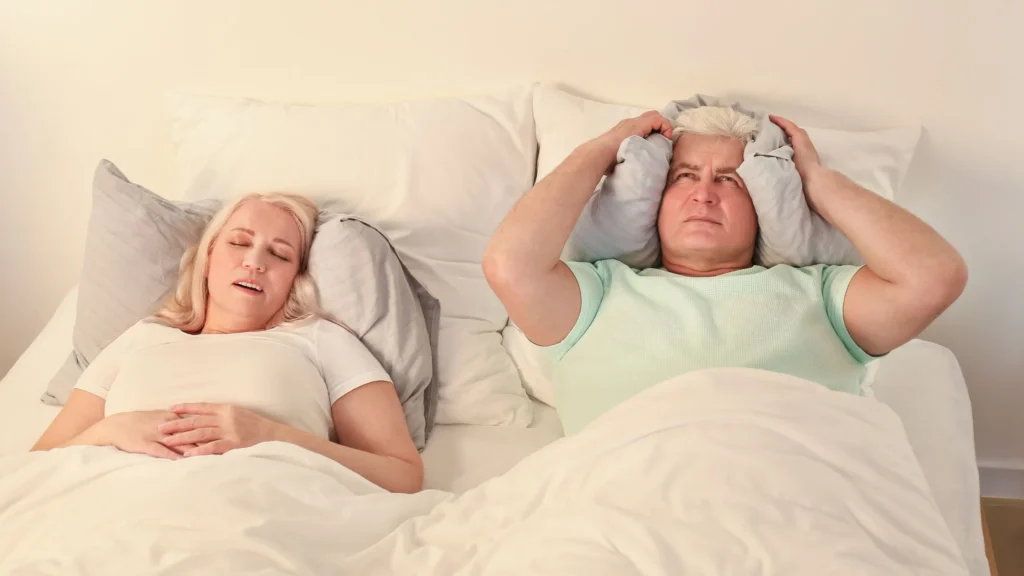
Snoring creates pressure on both sides of the bed. One person feels blamed for something showing up while they’re unconscious.
The other person feels trapped in a loop: nudge, roll over, brief quiet, then the soundtrack returns.
It’s also awkwardly funny. Couples joke about “sleep divorces” (separate rooms) or building pillow walls. The joke stops being funny when it becomes chronic exhaustion.
A useful reframe: treat snoring like a shared sleep problem, not a character flaw. That shift makes it easier to test solutions without resentment.
Practical steps people are trying right now (and why they can help)
Snoring usually relates to airflow and airway position. That’s why the most common tips floating around right now focus on reducing narrowing and improving sleep conditions.
Start with the fast, low-effort wins
- Side-sleeping: Back-sleeping can worsen snoring for some people because gravity changes airway shape.
- Cut the doomscroll runway: People report losing hours to late-night scrolling, then waking up feeling wrecked. A simple cutoff time can help sleep length and consistency.
- Reduce alcohol close to bedtime: Alcohol can relax tissues and make snoring more likely for many sleepers.
- Address congestion: Dry air, allergies, or a cold can push you toward mouth breathing and louder snoring.
Where an anti snoring mouthpiece fits
If your snoring seems tied to jaw position or mouth opening, a mouthpiece may help by supporting a more open airway during sleep. Many options work by gently bringing the lower jaw forward or encouraging a stable mouth position.
This is why mouthpieces keep showing up in “best sleep products” lists alongside earplugs and pillows. They’re not a vibe. They’re a mechanical attempt to change airflow.
If you want a product option to compare, here’s a related search-style link: anti snoring mouthpiece.
Small changes that make mouthpiece trials more successful
- Pair it with a consistent bedtime: A mouthpiece can’t fix a schedule that swings by two hours nightly.
- Keep your setup simple: Too many new gadgets at once makes it hard to tell what worked.
- Track outcomes that matter: Not just “did I snore,” but “did we both sleep through the night?”
Safety and testing: don’t ignore the red flags
Snoring can be benign, but it can also overlap with sleep apnea. That’s why recent health coverage keeps emphasizing missed signs, not just the noise itself.
If you suspect something more than typical snoring, read up and talk with a clinician. Here’s an authority-style reference link you can use as a starting point: 5 Signs Of Sleep Apnea That Most People Miss.
Consider getting evaluated if you notice
- Breathing pauses witnessed by a partner
- Choking or gasping during sleep
- High daytime sleepiness, especially when driving or in meetings
- Morning headaches or dry mouth
- Concentration problems that feel like “brain fog”
How to test a mouthpiece without guessing
Give it a fair trial. Use it consistently for a set window (like 10–14 nights) unless you have pain or concerning symptoms.
Keep notes on comfort, jaw soreness, and whether your partner reports fewer wake-ups. If you feel worse, stop and reassess.
Medical disclaimer: This article is for general education and does not provide medical advice, diagnosis, or treatment. If you suspect sleep apnea or have significant daytime sleepiness, choking/gasping, chest pain, or jaw/TMJ issues, consult a qualified clinician or dentist.
FAQ
Can an anti snoring mouthpiece help if I only snore sometimes?
It can, especially if your snoring shows up with back-sleeping, alcohol, congestion, or travel fatigue. Consistent use and fit matter more than “occasional” vs “nightly.”
What’s the difference between snoring and sleep apnea?
Snoring is a sound from narrowed airflow. Sleep apnea involves repeated breathing pauses or significant airflow reduction during sleep and can come with daytime sleepiness or gasping.
How long does it take to get used to a mouthpiece?
Many people adapt over several nights to a couple of weeks. Start with short wear periods and adjust gradually if the product allows it.
Are anti-snoring mouthpieces safe for everyone?
Not always. People with jaw pain, TMJ issues, loose dental work, or significant dental problems should be cautious and consider professional guidance.
What are common signs I should get evaluated for sleep apnea?
Loud snoring with choking/gasping, witnessed breathing pauses, morning headaches, high daytime sleepiness, and poor concentration are common reasons to ask a clinician.
Next step: make it a shared plan, not a nightly argument
Pick one sleep-hygiene change and one snoring intervention. Then measure what happens for both sleepers.
If you want to explore mouthpiece options and keep the process simple, start here: