
Myth: Snoring is just an annoying sound.
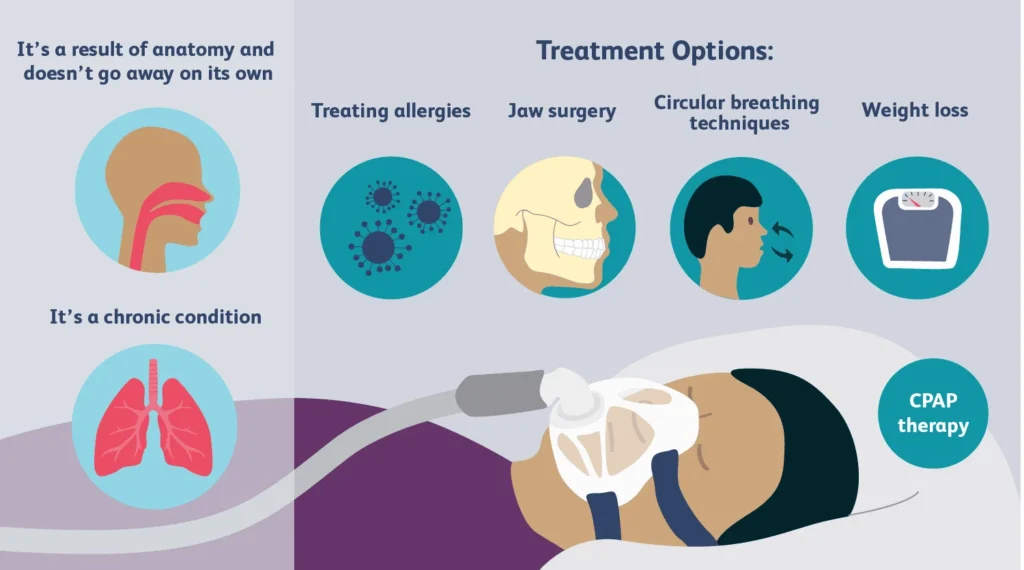
Reality: Snoring can wreck sleep quality for two people at once, and sometimes it’s a warning sign that breathing isn’t staying steady overnight.
Right now, sleep is having a moment. People are buying sleep trackers, debating “better breathing” hacks, and joking about separate bedrooms like it’s a relationship upgrade. Add travel fatigue and workplace burnout, and it’s no surprise that snoring feels less like a punchline and more like a problem to solve.
Start here: screen first, then shop
Before you buy anything, do a quick risk check. A mouthpiece can help many snorers, but it’s not the right first step for everyone.
If you notice breathing pauses, gasping, or choking… then get screened
If your bed partner reports pauses in breathing, or you wake up gasping, prioritize screening for sleep apnea. The same goes for loud snoring plus persistent daytime sleepiness, morning headaches, or high blood pressure concerns.
These patterns are often discussed in coverage of 5 Signs Of Sleep Apnea That Most People Miss. Don’t self-diagnose, but don’t ignore the flags either.
If snoring is the main issue (no red flags)… then a mouthpiece is a reasonable next step
If the problem is mostly noise, dry mouth, or waking your partner—an anti snoring mouthpiece can be a practical tool. Many designs aim to keep the airway more open by improving tongue or jaw positioning.
Think of it like this: you’re not “knocking yourself out.” You’re trying to reduce the collapse or crowding that makes vibration and snore sound.
Decision guide: pick the right path with simple if/then rules
If you snore more on your back… then prioritize positional habits + consider a mouthpiece
Back-sleeping often worsens snoring. If you’re also dealing with burnout-level tiredness, you may default to the same position all night. A mouthpiece can help, and so can simple positional changes (like side-sleep support pillows). Track what changes your snoring, not just what sounds trendy.
If you wake with jaw soreness… then be cautious with jaw-advancing styles
Some mouthpieces move the lower jaw forward. That can reduce snoring for many people, but it can also irritate the jaw in others. If you have TMJ symptoms, start conservatively and stop if pain escalates.
If you have dental issues (loose teeth, gum problems, major dental work)… then talk to a dentist first
This is about safety and liability, not perfection. A poor fit can stress teeth or gums. Document what you’re using, when you started, and any side effects. If you need care later, those notes help you explain changes clearly.
If you travel a lot or wake up with “hotel room throat”… then focus on comfort and hygiene
Travel fatigue can amplify snoring, and dry air can make your mouth feel rough in the morning. Choose a mouthpiece you’ll actually wear consistently, and keep cleaning simple. A case that vents and dries matters more than fancy packaging.
If your partner is losing sleep… then treat this like a shared health project
Relationship humor about snoring is everywhere for a reason. Poor sleep spills into mood, focus, and patience. Agree on a two-week trial window, decide what “success” looks like (fewer wake-ups, quieter nights, better mornings), and reassess together.
What to look for in an anti-snoring mouthpiece (without guesswork)
- Fit approach: Some are boil-and-bite; others are adjustable. A stable fit reduces slipping and sore spots.
- Comfort features: Smooth edges, breathing room, and a profile that won’t force your lips open.
- Cleaning plan: If it’s annoying to clean, you won’t clean it. That raises odor and infection risk.
- Clear replacement guidance: Worn devices can warp and fit poorly. Replace on schedule.
If you want a starting point for comparison shopping, review these anti snoring mouthpiece and match them to the rules above.
Safety and screening: reduce risk, protect your sleep data
Sleep gadgets are popular, but they can’t confirm a medical diagnosis. Use them as a clue, not a verdict. If your tracker shows frequent awakenings, pair that with how you feel during the day and what your partner hears at night.
Also keep a simple log: device used, bedtime, alcohol/sedatives, congestion, and morning symptoms. This helps you make cleaner decisions and gives a clinician better context if you need screening.
FAQ (quick answers)
Can an anti snoring mouthpiece help if I only snore sometimes?
Yes, especially if snoring is triggered by travel fatigue, alcohol, or congestion. Red flags still mean screening first.
Is loud snoring always sleep apnea?
No. But loud snoring plus breathing pauses, gasping, or persistent daytime sleepiness should be evaluated.
How do I keep a mouthpiece clean?
Rinse after use, clean daily per directions, and dry fully. Replace it when it wears out.
Next step: get a clear answer, not another “hack”
If you’ve been cycling through nasal strips, mouth tape, and “breathe better” trends, tighten the process. Screen for red flags. Pick a device style that fits your mouth and your routine. Then run a short, documented trial.
How do anti-snoring mouthpieces work?
Medical disclaimer: This article is for general education and does not diagnose, treat, or replace medical advice. If you suspect sleep apnea or have severe daytime sleepiness, breathing pauses, chest pain, or jaw/tooth pain from a device, seek guidance from a qualified clinician or dentist.