
5 rapid-fire takeaways:
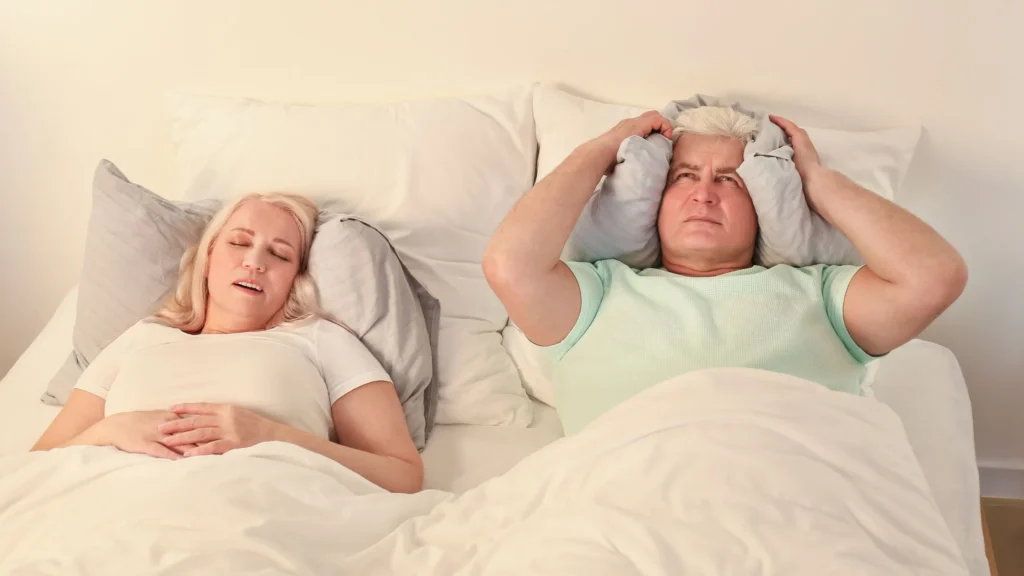
- Snoring is common, but it can still crush sleep quality for you and anyone within earshot.
- An anti snoring mouthpiece can help when jaw position and airway narrowing are the main issue.
- Don’t ignore red flags like gasping, choking, or extreme daytime sleepiness.
- Sleep trends are loud right now—wearables, “breathing hacks,” travel recovery routines—but basics still matter.
- Document your choice: symptoms, what you tried, and what changed. It’s safer and makes next steps clearer.
Between sleep gadgets going viral, “fix your breathing” headlines, and the ongoing burnout conversation at work, sleep has become a cultural obsession. Add travel fatigue and a partner joking about “sleep divorce,” and snoring turns into a nightly negotiation. This guide keeps it grounded and practical.
Start here: If…then… choose your next move
If your snoring is occasional… then start with quick, low-risk tweaks
If snoring flares after a late dinner, alcohol, or a brutal travel week, don’t overbuy solutions on night one. Try a simple reset for a few nights.
- Side-sleeping support (pillow positioning or a backpack-style trick).
- Nasal airflow support if you’re congested (saline rinse or a strip can be enough for some people).
- Bedroom basics: cooler temp, consistent bedtime, less late scrolling.
Write down what changed. Sleep problems blur together, so notes help you avoid guesswork.
If snoring is frequent and your partner is losing it… then consider a mouthpiece pathway
If the noise is steady and relationship humor is turning into real frustration, it’s reasonable to look at an anti snoring mouthpiece. Many are designed to reposition the lower jaw slightly forward to reduce airway collapse and vibration.
Before you pick one, do a quick self-screen:
- Jaw/teeth status: Do you have significant TMJ pain, loose teeth, or major dental work? If yes, pause and ask a dentist first.
- Comfort tolerance: You’ll likely need an adjustment period. If you quit on night two, you’ll never learn whether it could help.
- Hygiene plan: You need daily cleaning and dry storage to reduce irritation and odor.
When you’re ready to compare options, start with anti snoring mouthpiece and focus on fit, adjustability, and clear care instructions.
If you wake up tired no matter what… then treat this as a sleep-quality problem, not a noise problem
Snoring often gets framed as “annoying,” but the bigger issue can be fragmented sleep. That’s why wearables and sleep scores are everywhere right now. They can be useful, but don’t let a number replace how you feel.
Track a few basics for 7–10 nights:
- Bedtime/wake time consistency
- Morning headache or dry mouth
- Daytime sleepiness (especially mid-morning and mid-afternoon)
- Any reports of gasping or pauses from a bed partner
This log becomes your decision tool. It also helps if you decide to get screened.
If you notice red flags… then prioritize screening before self-treating
Some headlines have highlighted “missed” signs of sleep apnea. The point isn’t to self-diagnose. It’s to avoid brushing off warning signals.
Get medical advice if you have any of these:
- Witnessed breathing pauses, choking, or gasping during sleep
- Significant daytime sleepiness or dozing off unintentionally
- Morning headaches, mood changes, or concentration problems that persist
- Snoring plus high blood pressure concerns or other risk factors
For a reliable overview, review 5 Signs Of Sleep Apnea That Most People Miss. If you suspect apnea, a mouthpiece may still be part of the plan, but screening comes first.
How mouthpieces fit into today’s “sleep optimization” trend
Right now, people are buying sleep tech the way they buy kitchen gadgets: hopeful, tired, and ready for a quick win. Mouthpieces are different from apps and trackers because they aim to change airway mechanics, not just measure sleep.
That also means your decision should be more careful. Use this simple safety-first checklist:
- Know your goal: reduce snoring volume, improve morning energy, or both.
- Set a trial window: commit to a realistic adjustment period unless you have pain.
- Track outcomes: partner feedback, your awakenings, dry mouth, jaw comfort.
- Stop for warning signs: sharp jaw pain, bite changes that linger, tooth pain, or worsening sleepiness.
Decision recap: pick your next step tonight
- If snoring is situational, start with sleep position, nasal airflow, and schedule consistency.
- If snoring is frequent, consider a well-fitted mouthpiece and track results.
- If red flags show up, screen for sleep apnea before trying to “hack” it.
FAQs
Do anti-snoring mouthpieces work for everyone?
No. They’re a better match for some snoring patterns than others. Results depend on anatomy, fit, and whether apnea is present.
What’s the difference between snoring and sleep apnea?
Snoring is sound from vibration. Sleep apnea involves repeated breathing disruptions and can affect health and daytime function.
Is mouth breathing a snoring trigger?
It can be, especially with congestion. Improving nasal airflow and sleep posture may reduce mouth breathing for some people.
How long does it take to get used to a mouthpiece?
Often several nights to a few weeks. Mild soreness can happen early, but persistent pain is not something to push through.
When should I talk to a clinician instead of trying a mouthpiece?
If you have gasping, witnessed pauses, major daytime sleepiness, or other risk factors, get screened first.
CTA: make the next step simple
If your symptoms point to “regular snoring without obvious red flags,” a mouthpiece may be a reasonable next step to test—carefully and consistently. Compare fit and comfort features here: anti snoring mouthpiece.
How do anti-snoring mouthpieces work?
Medical disclaimer: This article is for general education only and is not medical advice. Snoring can be a sign of a sleep-related breathing disorder. If you have choking/gasping, witnessed breathing pauses, severe daytime sleepiness, chest pain, or concerns about sleep apnea, seek evaluation from a qualified clinician.