
Snoring isn’t just “background noise.” It can turn a full night in bed into a low-quality night of sleep.
And lately, snoring is showing up in the same conversations as sleep trackers, recovery scores, and the latest bedside gadgets.
If you want a practical, budget-first way to improve sleep quality at home, an anti snoring mouthpiece is one of the most direct tools to test—if you use it safely and set the right expectations.
The big picture: why snoring is having a moment
People are treating sleep like a health metric now. Wearables grade your “readiness,” phones nag you about bedtime, and product roundups keep promising the perfect night.
At the same time, real life is louder. Travel fatigue, late meals, alcohol at events, and scrolling in bed can all stack the deck against steady breathing and deep sleep.
Snoring becomes the obvious symptom. It’s also the one that impacts someone else, which is why it turns into a relationship topic fast.
Sleep quality isn’t only about hours
Eight hours with fragmented breathing and repeated micro-awakenings can feel worse than six solid hours. That’s why many “better sleep” tips focus on consistency, wind-down routines, and reducing disruptions.
If snoring is the disruption, you’ll get more leverage from addressing the snoring than from buying yet another white-noise machine.
The emotional side: couples, roommates, and the 2 a.m. negotiations
Snoring jokes land because they’re relatable. The reality is less funny when one person is counting ceiling tiles and the other has no idea it’s happening.
Some couples try the “pillow wall.” Others try separate blankets, separate rooms, or a rotating schedule of who gets the couch. None of that fixes the underlying sleep health problem.
A mouthpiece can feel like a small, low-drama experiment. It’s also easier than turning bedtime into a nightly debate.
Practical steps: a no-waste way to test what helps at home
Before you spend money, do a quick reset. The goal is to figure out whether your snoring looks positional, congestion-related, or possibly something more.
Step 1: run a 3-night “snore audit”
Keep it simple. Note these basics each morning:
- Sleep position: back, side, or mixed
- Nasal status: clear, stuffed, mouth breathing
- Evening triggers: alcohol, heavy meal, very late bedtime
- Daytime feel: refreshed, foggy, headache, dry mouth
If you can, record a short audio sample. It helps you compare changes without guessing.
Step 2: decide if a mouthpiece is a logical next test
An anti snoring mouthpiece is often used to support airflow by changing jaw or tongue position during sleep. That can reduce tissue vibration that creates the snore sound.
It’s a better “next step” when:
- Snoring is frequent and bothersome
- You wake with dry mouth (possible mouth breathing)
- Snoring is worse on your back or after certain evenings
- You want a home trial before chasing more gadgets
Step 3: pick a setup that matches your habits
Some people fight mouth breathing all night. Others struggle with keeping a device seated. Combos can be appealing if you want fewer moving parts in your plan.
If you’re comparing options, consider an anti snoring mouthpiece as a single purchase to trial, rather than buying separate items that may not work together.
Step 4: test like a grown-up (not like a desperate person at midnight)
Give it a fair trial, but don’t force it.
- Night 1–2: focus on comfort and keeping it in place
- Night 3–7: compare snoring volume and morning symptoms
- Week 2: decide if the benefit is real or just “new gadget optimism”
Also, don’t change five variables at once. If you add nasal strips, new pillow, and a mouthpiece on the same night, you won’t know what helped.
Safety and smart reality checks (especially with sleep apnea concerns)
Snoring can be simple. It can also be a signal that breathing is disrupted in a bigger way.
Recent coverage has highlighted that some people miss common warning signs. If you’re worried, read up on 5 Signs Of Sleep Apnea That Most People Miss and use it as a prompt for a conversation with a clinician if anything sounds familiar.
When to stop DIY and get medical input
Don’t try to “hack” your way around symptoms that need evaluation. Consider medical guidance if you notice:
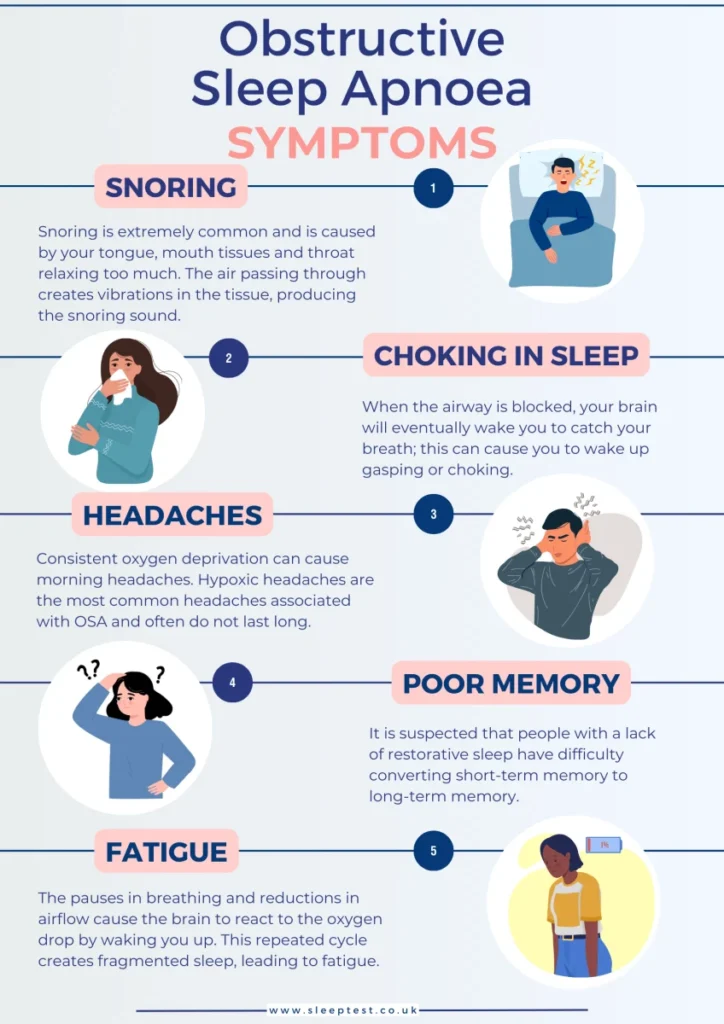
- Choking, gasping, or pauses in breathing during sleep (reported by a partner)
- Strong daytime sleepiness, dozing at work, or drowsy driving
- Morning headaches, high blood pressure concerns, or frequent nighttime awakenings
- Snoring that is loud, nightly, and getting worse
Mouthpiece comfort: what’s normal vs not
Some mild drooling, oddness, or light jaw tightness can happen early on. Sharp pain, tooth pain, or bite changes are not “push through it” signals.
If discomfort persists, pause and talk with a dentist or clinician. Fit matters, and your jaw joint deserves respect.
Medical disclaimer: This article is for general education and isn’t medical advice. It can’t diagnose sleep apnea or other conditions. If you have concerning symptoms, talk with a qualified clinician or dentist for personalized guidance.
FAQ: quick answers people are searching for
What’s the fastest way to know if snoring is positional?
If snoring is much worse on your back than your side, position is likely a major factor. A few nights of notes (or recordings) can make it obvious.
Do sleep gadgets help more than a mouthpiece?
Trackers can be motivating, but they don’t change airflow. If snoring is the main disruptor, addressing snoring directly often beats collecting more data.
Can travel fatigue make snoring worse?
Yes. Irregular sleep, alcohol, dehydration, and congestion from dry hotel air can all contribute to louder snoring for some people.
CTA: make the next step simple
If your goal is quieter nights without wasting another cycle on random fixes, start with a focused trial.