
Snoring is having a moment. So are sleep gadgets, viral hacks, and “one weird trick” routines.
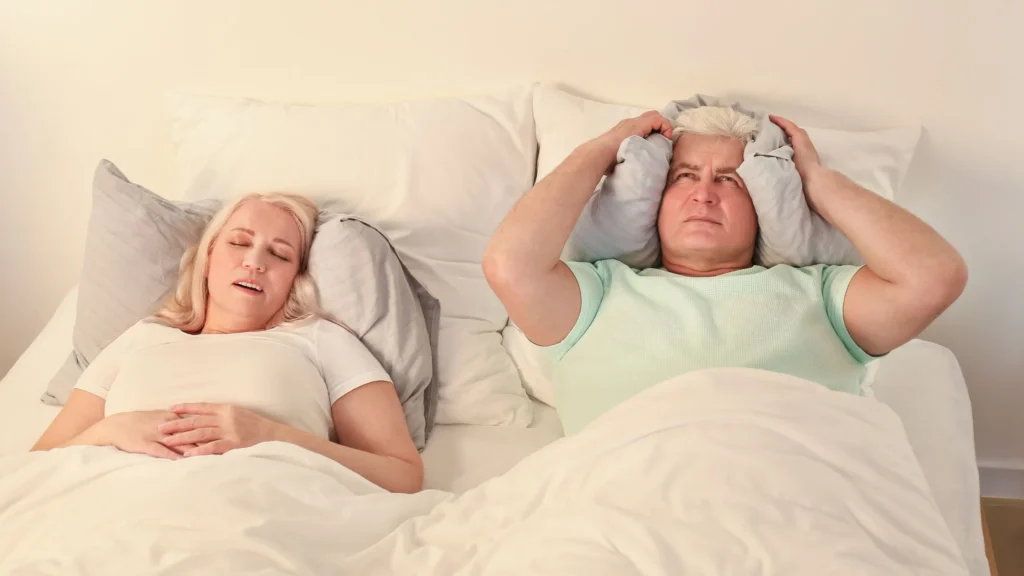
Meanwhile, you still have to wake up for work, travel, or a partner who’s done laughing about it.
Here’s the grounded take: focus on sleep quality first, screen for red flags, then choose a tool (like an anti snoring mouthpiece) you can actually stick with.
Is snoring just annoying, or is it hurting sleep quality?
Snoring can be a simple vibration problem. It can also be a sign that airflow is struggling at night.
People usually notice the “social” cost first. The bigger cost is next-day function: brain fog, irritability, and the kind of fatigue that makes burnout feel worse.
Quick reality check: what sleep disruption looks like
Even if you don’t fully wake up, your sleep can fragment. That often shows up as light sleep, frequent tossing, or waking unrefreshed.
If travel is part of your life, you may feel it more. Hotel pillows, alcohol at dinners, and jet lag can all make snoring louder and sleep shallower.
What are people trying right now (and why the “mouth taping” talk is everywhere)?
Sleep trends rotate fast. Wearables, smart rings, white-noise machines, and now mouth taping keep getting attention.
Recent coverage has pointed to ongoing interest in whether taping the mouth closed might affect sleep. If you’re curious, read the discussion with context, not hype: Can taping your mouth shut improve your sleep? New study reveals.
Safety note before you copy a viral hack
If you can’t breathe well through your nose, forcing your mouth closed can backfire. The same goes for anyone with suspected sleep apnea or nighttime breathing symptoms.
Document your choice like you would any health purchase: what you tried, what changed, and what made you stop. That reduces risk and helps you decide what’s next.
What actually causes snoring in the first place?
Snoring usually happens when airflow meets resistance. Soft tissues vibrate, and the sound follows.
Triggers vary. Common ones include sleeping on your back, alcohol near bedtime, nasal congestion, and weight changes. Stress and burnout can worsen sleep depth, which can make snoring feel more disruptive for both partners.
Where does an anti snoring mouthpiece fit in?
An anti snoring mouthpiece is a practical middle ground between “do nothing” and more involved medical pathways. Many designs aim to position the jaw and tongue to keep the airway more open.
It’s also relationship-friendly. If your partner has started “joking” about separate bedrooms, a mouthpiece can be a concrete step that doesn’t require a full bedroom overhaul.
What to look for (comfort + consistency wins)
- Fit: A poor fit can lead to soreness, drooling, or a device you abandon after three nights.
- Breathing comfort: If nasal breathing is hard, address that first. Mouthpieces are not a fix for chronic nasal obstruction.
- Materials and cleaning: Choose something you can clean daily. Replace it if it degrades or starts to smell.
A simple “screen first” checklist (reduce risk)
Skip DIY experimentation and consider professional screening if you have any of the following:
- Choking or gasping during sleep
- Witnessed pauses in breathing
- Severe daytime sleepiness
- Morning headaches or high blood pressure
Those can be associated with sleep apnea. General information is available from Mayo Clinic’s overview of sleep apnea symptoms and causes.
How do I choose between mouthpieces, chin straps, and “everything else”?
Think in layers. Lifestyle basics reduce intensity. Tools reduce noise. Screening protects your health.
If mouth breathing is part of your pattern, some people look at combo approaches. A product option to explore is an anti snoring mouthpiece.
Decision points that keep you honest
- Goal: Quieter nights, better energy, or both?
- Timeline: A trip next week needs a realistic solution, not a long experiment.
- Tolerance: If you hate wearing things on your face, pick the least intrusive option you’ll use nightly.
What small changes help snoring without buying anything?
These are common suggestions people try because they’re low-cost and low-risk. Keep expectations realistic.
- Side sleeping (a pillow strategy can help)
- Limit alcohol close to bedtime
- Address congestion and dry air
- Protect a consistent sleep window, especially during busy work weeks
FAQ
Is snoring always a problem?
Not always, but frequent loud snoring plus poor sleep, gasping, or daytime sleepiness can signal a bigger issue worth screening.
Can an anti snoring mouthpiece help right away?
Some people notice improvement quickly, but fit and comfort matter. It can take a short adjustment period to sleep through the night with it.
Is mouth taping safe for everyone?
No. If you have nasal blockage, breathing issues, or possible sleep apnea, it may be risky. It’s best treated as a “ask-first” trend, not a default habit.
What’s the difference between snoring and sleep apnea?
Snoring is noise from airflow resistance. Sleep apnea involves repeated breathing disruptions during sleep and may include choking, gasping, or heavy daytime fatigue.
When should I talk to a clinician?
If you have witnessed pauses in breathing, morning headaches, high blood pressure, extreme sleepiness, or you fall asleep easily while driving or working.
Try a safer, more structured next step
Don’t let sleep trends run the show. Pick one change, track results for a week, and screen for red flags if symptoms suggest more than simple snoring.
How do anti-snoring mouthpieces work?
Medical disclaimer: This article is for general education only and is not medical advice. Snoring can have multiple causes, including conditions that require diagnosis and treatment by a qualified clinician. If you have choking/gasping, witnessed breathing pauses, chest pain, severe sleepiness, or other concerning symptoms, seek medical care.