
Is your snoring getting worse—or are you just noticing it more?
Is sleep tech (rings, apps, smart pillows) helping, or just giving you more data to worry about?
And is an anti snoring mouthpiece actually a practical fix, or another drawer-stuffer?
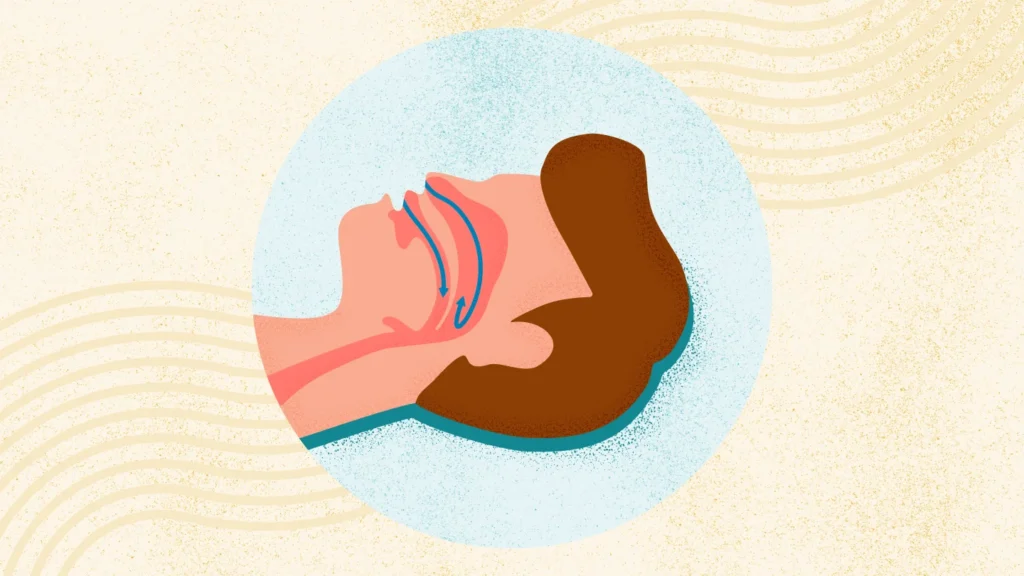
Here’s the straight answer: snoring often tracks with airflow and sleep setup, and recent “breathing” conversations have pushed that idea into the mainstream. You don’t need a full gadget stack to act on it. You need a simple plan, a few supplies, and a way to tell if you’re improving—or masking a bigger issue.
Overview: Why snoring is trending again (and why you care)
People are talking about breathing because it’s one of the few levers that touches everything: sleep quality, morning energy, and even how “wired” you feel after a long day. Add travel fatigue, late-night scrolling, and workplace burnout, and you get a perfect storm for noisy sleep.
Snoring can be harmless, but it can also be a sign your airway is struggling. If you have loud snoring plus choking/gasping, morning headaches, or heavy daytime sleepiness, look into sleep apnea information and talk with a clinician. Don’t try to “DIY” your way around red flags.
Want a quick read on the broader breathing conversation? See Why You’re Breathing Wrong, and How to Fix It.
Timing: When to test changes (without wasting a week)
Do this on a “normal” weeknight, not after a red-eye flight or a big celebration dinner. Travel fatigue and alcohol can exaggerate snoring and make your results meaningless.
Give each change 3 nights if you can. One night is a mood. Three nights is a pattern. If your partner is the one collecting the “evidence,” keep it light—relationship humor helps, but you still want honest feedback.
Supplies: Your low-cost snoring kit
- Notes app or paper log (bedtime, wake time, how you feel)
- Phone voice memo for a short snore check (optional, not obsessive)
- Nasal support if you get congestion (saline rinse or strips, as appropriate)
- Side-sleep helper (body pillow or a pillow behind your back)
- Anti snoring mouthpiece if your snoring seems position/tongue/jaw related
If you want a combined approach to keep things simple, consider an anti snoring mouthpiece. The point is fewer moving parts and fewer abandoned “sleep gadgets” on your nightstand.
Step-by-step (ICI): Identify → Change → Inspect
1) Identify your likely snoring trigger
Use this quick filter:
- Mostly on your back? Position is a major suspect.
- Worse with congestion or allergies? Nasal airflow may be driving it.
- Worse after alcohol or heavy late meals? Timing and relaxation effects matter.
- Partner says you stop breathing, gasp, or choke? Don’t guess—get evaluated.
2) Change one thing at a time (the budget-friendly way)
Pick one lever for three nights:
- Position: Commit to side sleeping with a pillow “bumper.”
- Nasal support: Address stuffiness before bed if it’s a recurring issue.
- Schedule: Protect a consistent sleep window. Burnout loves a random bedtime.
- Mouthpiece: If your snoring sounds like it’s coming from the back of the throat and your jaw drops open, a mouthpiece may help by changing oral posture and airflow.
3) Inspect results with two simple checks
Check A: Morning function. Do you feel more alert by mid-morning? Less dry mouth? Fewer headaches? Those are practical signals.
Check B: Snore trend. You’re not chasing silence. You’re looking for “less frequent” or “less intense.” A quick voice memo can help, but don’t turn your bedroom into a lab.
Mistakes that waste money (and sleep)
Buying five gadgets before fixing basics
Sleep trackers can be motivating, but they don’t open an airway. If you’re snoring loudly, start with position, nasal comfort, and a mouthpiece option before upgrading your tech stack.
Expecting instant comfort from any mouthpiece
Some people need a short adjustment period. If you feel sharp jaw pain, tooth pain, or your bite feels “off” the next day, stop and consider professional guidance.
Ignoring the “not just snoring” signs
Snoring plus choking/gasping, high daytime sleepiness, or witnessed breathing pauses can point to sleep apnea. That’s not a willpower problem and not a DIY project.
Letting travel and burnout set your baseline
If your week is packed and your nervous system is fried, your sleep will look worse. Build your test plan around typical nights so you can trust the outcome.
FAQ: Quick answers before you try a mouthpiece
Is snoring always caused by “breathing wrong”?
No. Snoring is usually about airway narrowing during sleep. Breathing habits and mouth posture can play a role, but congestion, sleep position, and anatomy also matter.
Should I try a mouthpiece or nasal strips first?
If congestion is your main issue, start with nasal support. If you snore mostly when your jaw drops open or you sleep on your back, a mouthpiece may be a better first test.
Can an anti-snoring mouthpiece help sleep quality?
It can if it reduces snoring and improves airflow enough to cut down micro-awakenings. Better sleep quality usually shows up as steadier energy and mood, not just a quieter room.
CTA: Make tonight a real test (not a trend)
If you’re tired of guessing, run the three-night plan and keep it simple. Track how you feel, not just what an app says.
How do anti-snoring mouthpieces work?
Medical disclaimer: This article is for general education only and isn’t medical advice. Snoring can be a symptom of sleep apnea or other health conditions. If you have choking/gasping during sleep, breathing pauses, chest pain, severe daytime sleepiness, or persistent symptoms, seek evaluation from a qualified clinician or dentist.