
Is your snoring “normal,” or a sign your sleep quality is slipping?
Are sleep gadgets and viral fixes helping… or just adding more noise to your bedtime routine?
Could an anti snoring mouthpiece be a practical step that doesn’t turn your nightstand into a tech lab?
Yes, snoring can be common. No, you don’t have to accept it as your personality trait. And yes, mouthpieces are being talked about a lot right now, alongside broader conversations about sleep health, workplace burnout, and the very real “travel fatigue” that makes everyone feel like they woke up mid-flight.
The big picture: why snoring is suddenly everyone’s problem
Snoring isn’t just a sound. It can be a signal that airflow is getting partially blocked during sleep. That can fragment rest for the snorer and the person next to them.
Right now, the sleep world is full of new ideas: smarter wearables, more at-home tracking, and even newsy buzz about future medications that may target snoring and sleep-disordered breathing. At the same time, consumer interest in oral devices keeps rising, including mandibular advancement styles that gently move the lower jaw forward to keep the airway more open.
If you’re trying to separate “promising” from “hype,” focus on one question: does the approach improve airflow and sleep continuity, not just decibels?
The emotional side: snoring isn’t funny at 2:13 a.m.
Relationship humor about snoring lands because it’s true. One person is exhausted. The other feels blamed for something they’re not doing on purpose. Then you add stress, a packed calendar, and maybe a workday that starts with “quick sync” and ends with “one last thing.”
That pressure can turn bedtime into a negotiation: earplugs, couch nights, or a growing resentment that shows up as silence the next morning.
A better frame is teamwork. Snoring is a shared problem with shared consequences. You’re not “too sensitive,” and they’re not “careless.” You’re both tired.
Practical steps: what to try before (and alongside) a mouthpiece
Many people do best with a simple, layered plan. Think: remove obvious triggers, then add targeted tools.
1) Do a quick pattern check
Ask: Is it worse after alcohol? Worse on your back? Worse during allergy season or when you’re congested? A pattern can point to the most efficient next step.
2) Make the room work for you
Dry air and nasal irritation can make breathing noisier. A humidity tweak, hydration, and keeping irritants down can help some people. Small changes are not “too basic” if they move the needle.
3) Consider positioning
Back-sleeping often worsens snoring for many people. Side-sleeping strategies can be worth trying, especially if snoring is new or travel-triggered.
4) When a mouthpiece makes sense
If your snoring seems tied to jaw position or mouth-breathing, an anti snoring mouthpiece may help by supporting a more open airway during sleep. Mandibular advancement designs aim to bring the lower jaw slightly forward. Some people also like combo approaches that address both jaw position and mouth opening.
If you’re comparing options, focus on comfort, adjustability, materials, and return policies. A device that sits in a drawer doesn’t improve anyone’s sleep.
Safety and testing: how to evaluate “safe and legit” claims
Recent consumer discussions have put mouthpieces under a brighter spotlight, including questions about legitimacy, comfort, and how “clinical” the claims really are. That’s a good thing. You should be picky.
Look for these basics
- Clear fit guidance: You should understand how it’s sized or molded and what “normal” adjustment feels like.
- Reasonable expectations: A mouthpiece may reduce snoring, but it won’t fix every cause of poor sleep.
- Safety signals: Persistent jaw pain, tooth pain, bite changes, or gum irritation are not a push-through situation.
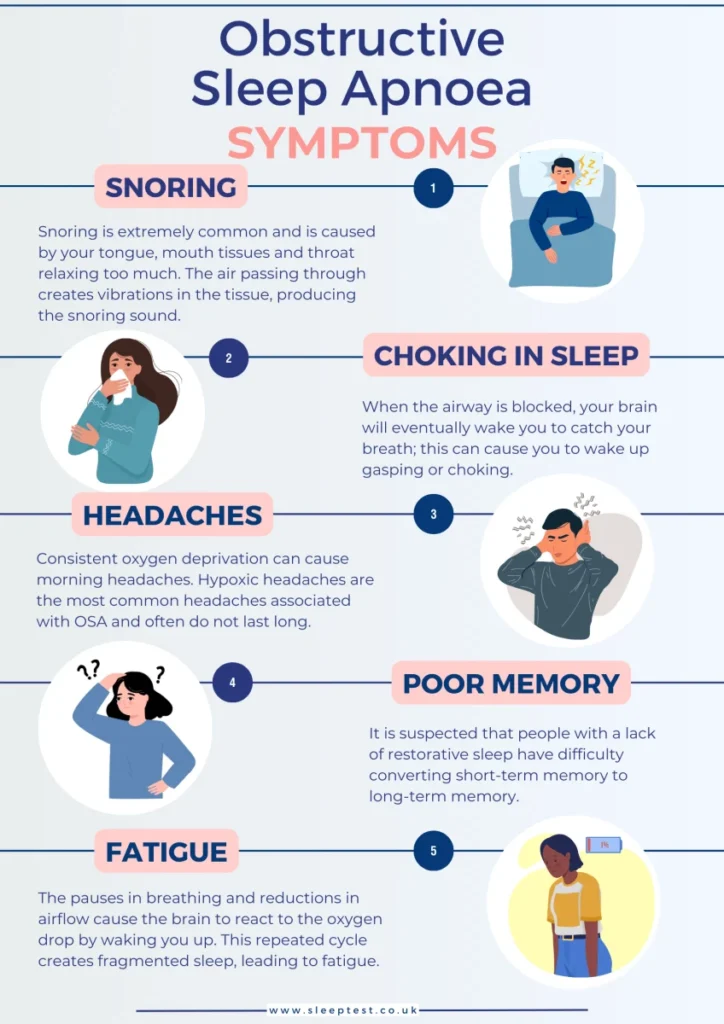
- Apnea awareness: Snoring can coexist with obstructive sleep apnea. If there are red flags, don’t self-manage only.
If you want a quick overview of warning signs that people often overlook, see this reference on SleepZee Reviews 2026: Is It Safe and Legit? Clinical Analysis of This Mandibular Advancement Device.
Medical disclaimer (please read)
This article is for general education and is not medical advice. It does not diagnose, treat, or cure any condition. If you suspect sleep apnea or have significant daytime sleepiness, choking/gasping at night, or heart/lung concerns, talk with a qualified clinician for evaluation and personalized guidance.
FAQ: quick answers people want right now
Do anti-snoring mouthpieces work for everyone?
No. They often help when airflow improves by repositioning the jaw or reducing airway collapse, but results vary by anatomy and the cause of snoring.
How do I know if my snoring might be sleep apnea?
Clues include witnessed breathing pauses, gasping, high daytime sleepiness, morning headaches, and loud snoring that doesn’t improve with basic changes. A clinician can confirm with proper testing.
What side effects should I watch for?
Jaw soreness, tooth discomfort, gum irritation, dry mouth, and bite changes are the big ones. Mild early soreness can happen; ongoing or worsening symptoms should be taken seriously.
Is it okay to use a mouthpiece every night?
Many people do, but comfort and fit matter. If you have dental work, TMJ issues, or persistent pain, get professional input before continuing.
CTA: a calmer way to start the conversation (and the fix)
If snoring is stressing your relationship, try a simple script: “I miss sleeping next to you. Can we test one change this week and see if it helps both of us?” That keeps it collaborative instead of critical.
If you’re ready to explore a product option, consider this anti snoring mouthpiece as a starting point for jaw support plus mouth-closure support.