
5 rapid-fire takeaways
- Snoring is trending again because people are testing quick fixes, from sleep gadgets to viral “mouth taping.”
- Safety comes first: if you can’t breathe well through your nose, blocking your mouth can backfire.
- An anti snoring mouthpiece is a more established approach than many DIY hacks.
- Better sleep quality often starts with screening for sleep apnea, not just silencing noise.
- Document what you try (fit, comfort, side effects). It helps you make safer, faster decisions.
Why is everyone suddenly talking about snoring “hacks”?
Sleep is having a moment. You see it in wearable scores, “sleep tourism,” and the endless aisle of gadgets promising deeper rest. Add travel fatigue, late-night scrolling, and workplace burnout, and people start hunting for instant solutions.
Snoring also has a relationship angle. It’s the classic “who kept who awake” argument, now with a modern twist: couples comparing hacks like they’re reviewing headphones. The problem is that not every hack is low-risk.
Is mouth taping for snoring actually safe?
Mouth taping gets attention because it sounds simple. But simple doesn’t always mean safe. If your nose is blocked from allergies, a cold, a deviated septum, or chronic congestion, taping can make breathing harder at the exact time your body needs easy airflow.
If you want the broader discussion that sparked the trend, see this coverage on Taping your mouth shut to stop snoring is a thing — but is it safe? Experts weigh in.
Quick safety screen before you try any “seal-the-mouth” idea
- Nasal breathing test: Can you breathe comfortably through your nose for several minutes while relaxed?
- Congestion reality check: Do you wake up with a dry mouth because your nose blocks at night?
- Risk flags: If you suspect sleep apnea, don’t rely on a hack that could mask symptoms.
When in doubt, choose options that don’t restrict breathing. That’s where mouthpieces often enter the conversation.
What is an anti snoring mouthpiece, and why do people prefer it?
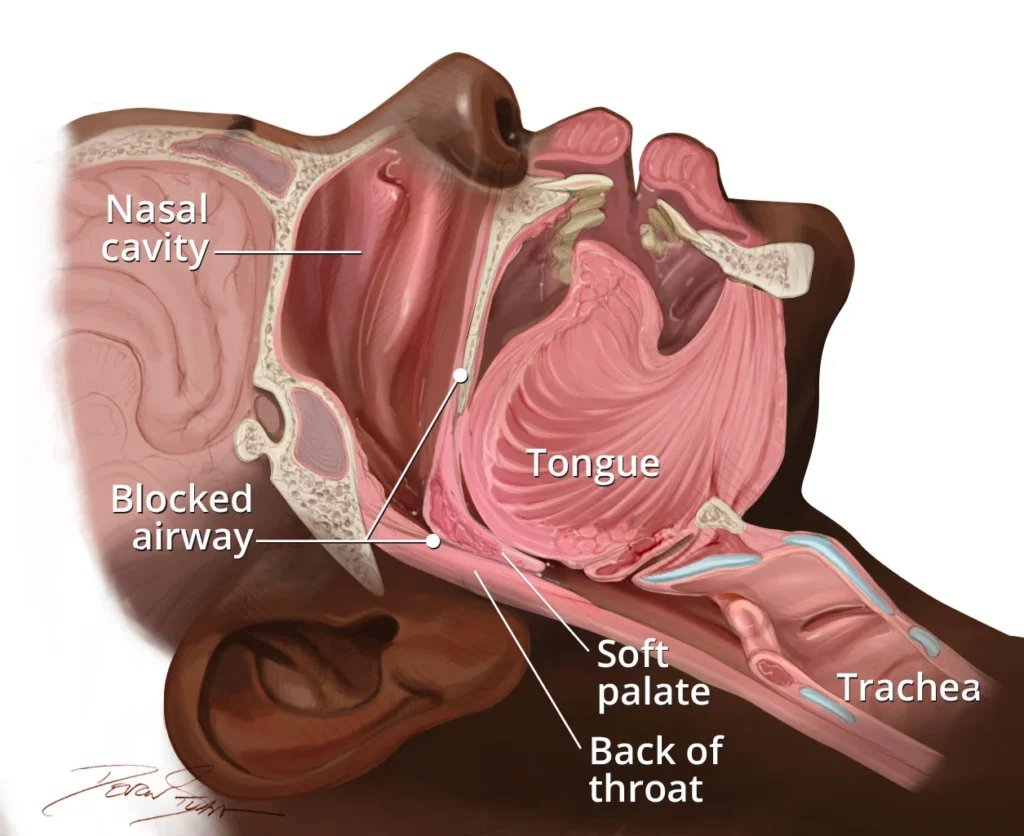
Most anti-snoring mouthpieces are designed to support airflow by changing jaw or tongue position during sleep. The goal is simple: reduce airway narrowing that can create vibration (snoring) and micro-awakenings (worse sleep quality).
People like them because they’re tangible and testable. You can track comfort, snoring volume, and morning energy without relying on a viral trend. If you’re comparing styles, start here: anti snoring mouthpiece.
Two common mouthpiece types you’ll see
- Mandibular advancement devices (MADs): Hold the lower jaw slightly forward to help keep the airway more open.
- Tongue-stabilizing designs: Aim to keep the tongue from falling back.
Will a mouthpiece improve sleep quality, or just reduce noise?
Snoring can be “just noise,” but it can also be a sign of disrupted breathing. Either way, it can wreck sleep quality. Your partner wakes up. You may also wake briefly without remembering it, which can leave you foggy the next day.
A mouthpiece may help if your snoring is related to airway narrowing that responds to jaw or tongue positioning. If your snoring is driven by heavy congestion, alcohol close to bedtime, or sleeping flat on your back, you may need a broader plan.
Simple ways to measure whether it’s helping
- Morning check-in: Less dry mouth? Fewer headaches? Better mood?
- Partner feedback: Fewer wake-ups and fewer “elbow nudges.”
- Audio proof: A basic phone recording can show changes over time.
How do I choose a mouthpiece without creating new problems?
Fit and follow-through matter more than hype. A mouthpiece that “works” in theory won’t help if it hurts, falls out, or leaves your jaw sore for hours.
Use this quick selection checklist
- Comfort first: Mild pressure is normal. Sharp pain is not.
- Adjustability: Small changes can make a big difference in comfort and effectiveness.
- Materials and cleaning: Choose something you can keep clean consistently.
- Return policy: Your mouth is unique. A trial period reduces risk.
When should I stop experimenting and get screened?
Snoring plus daytime sleepiness is not something to brush off. Neither is loud snoring with choking, gasping, or witnessed breathing pauses. Those patterns can point to sleep apnea, which needs proper evaluation.
Also consider screening if you’re in a high-stress season and your sleep is collapsing. Burnout can amplify sleep problems, and poor sleep can amplify burnout. A quick fix won’t always break that loop.
Red flags that deserve medical attention
- Breathing pauses observed by a partner
- Waking up choking or gasping
- High blood pressure or heart risk factors
- Severe daytime sleepiness or near-miss drowsy driving
How can I reduce risk and “document choices” like a pro?
If you’re trying products, treat it like a short experiment. This reduces wasted money and helps you communicate clearly if you end up talking with a dentist or sleep clinician.
A simple 7-night log (fast, not fussy)
- Nightly: Device used (yes/no), comfort (1–10), alcohol late (yes/no), congestion (yes/no)
- Morning: Jaw soreness (none/mild/moderate), energy (1–10), headache (yes/no)
- Partner note: Snoring volume (lower/same/higher) and wake-ups (count)
This kind of record also supports safer decision-making. It can show patterns like “snoring spikes after travel days” or “congestion nights are the worst.”
FAQ: quick answers
Is mouth taping a safe way to stop snoring?
It can be risky for some people, especially if you have nasal congestion, allergies, or possible sleep apnea. If you can’t breathe freely through your nose, don’t block your mouth—talk with a clinician.
What does an anti snoring mouthpiece actually do?
Most are mandibular advancement devices (MADs) that gently move the lower jaw forward to help keep the airway more open. Some designs focus on tongue positioning instead.
How do I know if my snoring could be sleep apnea?
Red flags include choking/gasping, witnessed breathing pauses, loud snoring with daytime sleepiness, morning headaches, and high blood pressure. Get evaluated if these show up.
Can a mouthpiece improve sleep quality even if I don’t have apnea?
It may help if your snoring is mainly from airway narrowing during sleep. Better airflow can reduce awakenings for you and your partner, which often improves perceived sleep quality.
What side effects should I watch for with mouthpieces?
Common issues include jaw soreness, tooth discomfort, dry mouth, excess saliva, and bite changes over time. Stop use and seek dental guidance if pain or bite shifts persist.
How long does it take to get used to a snoring mouthpiece?
Many people adapt over several nights to a couple of weeks. A gradual wear-in plan and correct sizing usually make the adjustment smoother.
Ready to explore a safer, more proven option?
If snoring is hurting your sleep quality (or your relationship peace), a mouthpiece can be a practical next step. Keep it simple: choose a comfortable design, track results for a week, and escalate to screening if red flags show up.
How do anti-snoring mouthpieces work?
Medical disclaimer: This article is for general education only and is not medical advice. Snoring can be a symptom of obstructive sleep apnea or other health conditions. If you have choking/gasping, witnessed breathing pauses, significant daytime sleepiness, or ongoing concerns, seek evaluation from a qualified healthcare professional.