
At 2:07 a.m., someone rolls over, sighs, and nudges their partner. Not gently. The snoring starts again. Tomorrow is an early meeting, and the travel fatigue from a quick work trip still hasn’t worn off. Nobody wants a fight, but the room feels tense anyway.
This is why snoring is everywhere right now. People are stressed, burned out, and chasing sleep gadgets that promise instant quiet. Viral ideas like taping your mouth shut get attention because they sound simple. But “simple” is not the same as “safe” or “right for you.”
Overview: What snoring is doing to your sleep (and your relationship)
Snoring is airflow noise. It often shows up when tissues in the throat relax and vibrate during sleep. The sound is annoying, but the bigger issue is what it can signal: fragmented sleep for you, disrupted sleep for your partner, and sometimes a sleep-breathing disorder.
Even when it’s “just snoring,” the fallout is real. Short sleep increases irritability and makes small disagreements feel personal. It also turns bedtime into a performance review: “Are you going to keep me up again?”
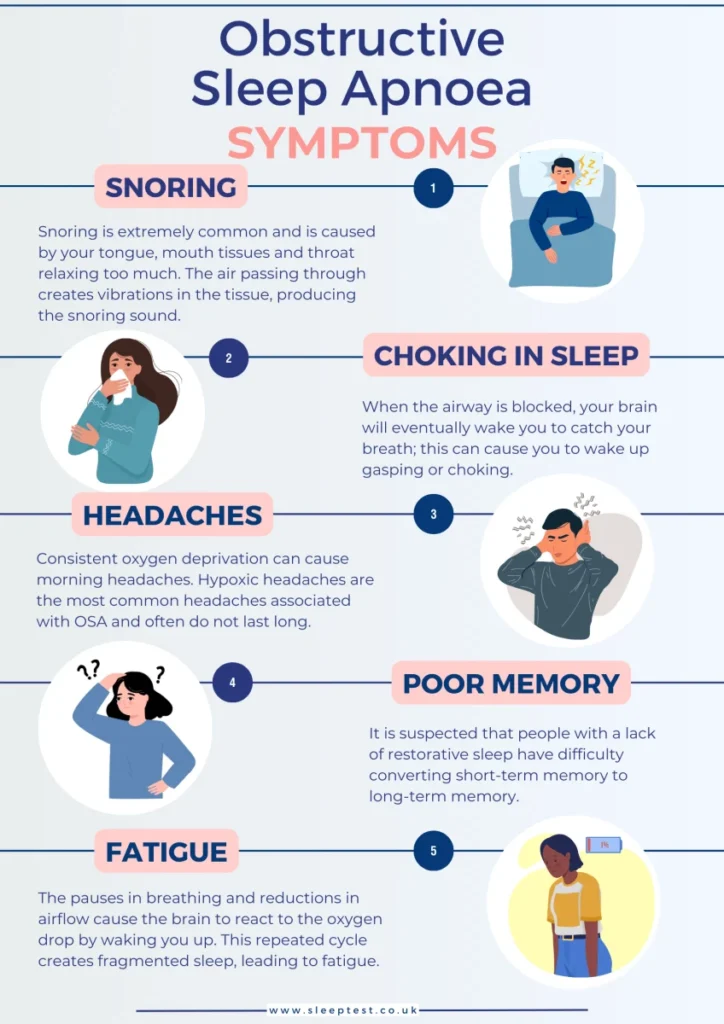
One more thing matters here. Some snoring is linked to obstructive sleep apnea, which needs medical evaluation. If you suspect apnea, don’t treat it like a DIY project.
Timing: When to act, and when to get checked first
Address snoring sooner than later if it’s happening most nights, getting louder, or causing separate bedrooms. Waiting tends to build resentment. It also makes sleep loss pile up, which is why workplace burnout and “I can’t focus” complaints keep trending.
Move fast if any red flags are present
- Witnessed pauses in breathing, choking, or gasping
- Heavy daytime sleepiness, dozing off easily
- Morning headaches or dry mouth with severe fatigue
- High blood pressure or significant weight changes
If those sound familiar, consider a clinician-led evaluation. A mouthpiece may still play a role for some people, but you want the right plan.
Where viral mouth tape fits (and where it doesn’t)
Mouth taping has been making headlines as a quick snoring fix. The basic idea is to encourage nasal breathing. The problem: if your nose is congested or your airway is compromised, taping can create risk and panic.
For a general safety-focused overview of the trend, see this related coverage: Taping your mouth shut to stop snoring is a thing — but is it safe? Experts weigh in.
Supplies: What you actually need for a mouthpiece attempt
If you’re looking for a more structured option than hacks, an anti snoring mouthpiece is one of the most talked-about tools. Many are designed to gently reposition the lower jaw forward (often called mandibular advancement). That can reduce tissue collapse for some sleepers.
Before you start, gather:
- A mouthpiece that matches your situation (and your tolerance for bulk)
- A mirror and good lighting for fitting
- A simple way to track results (notes app, sleep tracker, or partner feedback)
- Patience for an adjustment period
If mouth opening makes your snoring worse, some people prefer a combo approach. Example: anti snoring mouthpiece.
Step-by-step (ICI): Install → Check → Iterate
This is the no-drama approach. It keeps you from bouncing between gadgets every two nights.
1) Install: Fit it the right way, not the fast way
Follow the product instructions closely. If it’s a boil-and-bite style, don’t rush the molding step. A sloppy fit can mean extra drool, sore teeth, or a mouthpiece that pops out at 3 a.m.
Choose a first night with lower stakes. If you have a big presentation tomorrow, that’s not the night to test a brand-new device.
2) Check: Judge outcomes with a simple scorecard
Use three checks for the first week:
- Noise: Did snoring volume or frequency drop?
- Sleep quality: Do you wake up fewer times?
- Comfort: Any jaw pain, tooth pressure, or headaches?
Partner feedback counts. If your relationship has turned snoring into a running joke, turn it into data instead. “How many times did you wake up?” is more useful than “You were so loud.”
3) Iterate: Adjust gradually, not aggressively
If your device allows advancement changes, move in small steps. More forward is not always better. The goal is quiet breathing with minimal strain.
If you notice persistent jaw pain, bite changes, or tooth sensitivity, pause. Consider professional guidance, especially if you have dental work, TMJ issues, or missing teeth.
Mistakes people keep making (and how to avoid them)
Using a mouthpiece to “power through” possible sleep apnea
A mouthpiece can reduce snoring, but it shouldn’t be used to ignore warning signs like gasping or extreme daytime sleepiness. If you suspect apnea, get evaluated.
Stacking too many fixes at once
People try a mouthpiece, nasal strips, a new pillow, and mouth tape in the same week. Then they can’t tell what worked. Change one variable, then reassess.
Turning bedtime into a negotiation
Snoring can feel personal, even when it isn’t. Agree on a plan during the day. Decide what you’ll test, for how long, and what “success” looks like.
Ignoring the basics that amplify snoring
Alcohol close to bedtime, inconsistent sleep times, and sleeping on your back can all make snoring worse for many people. Travel weeks and late-night scrolling don’t help either.
FAQ: Quick answers before you buy or try
Is an anti snoring mouthpiece the same as a mouthguard?
Not always. Sports mouthguards mainly protect teeth. Anti-snoring mouthpieces are designed to affect airway mechanics, often by changing jaw or tongue position.
What if I can’t tolerate a mouthpiece all night?
Start with shorter wear periods and build up. If gagging or pain persists, stop and consider a different design or professional advice.
Can I combine a mouthpiece with other sleep tools?
Often, yes. Many people pair it with side-sleeping strategies and good sleep hygiene. Avoid risky combinations that restrict breathing.
CTA: Pick a safer, calmer next step
If snoring is turning sleep into a nightly argument, you don’t need another viral dare. You need a plan you can repeat and measure. A well-fitted mouthpiece is one practical option many people explore when they want less noise and better rest.
How do anti-snoring mouthpieces work?
Medical disclaimer: This article is for general education and does not provide medical advice or a diagnosis. If you have symptoms suggestive of sleep apnea or persistent sleep problems, talk with a qualified healthcare professional.