
Snoring is having a moment again. Not because it’s funny—because everyone is tired.
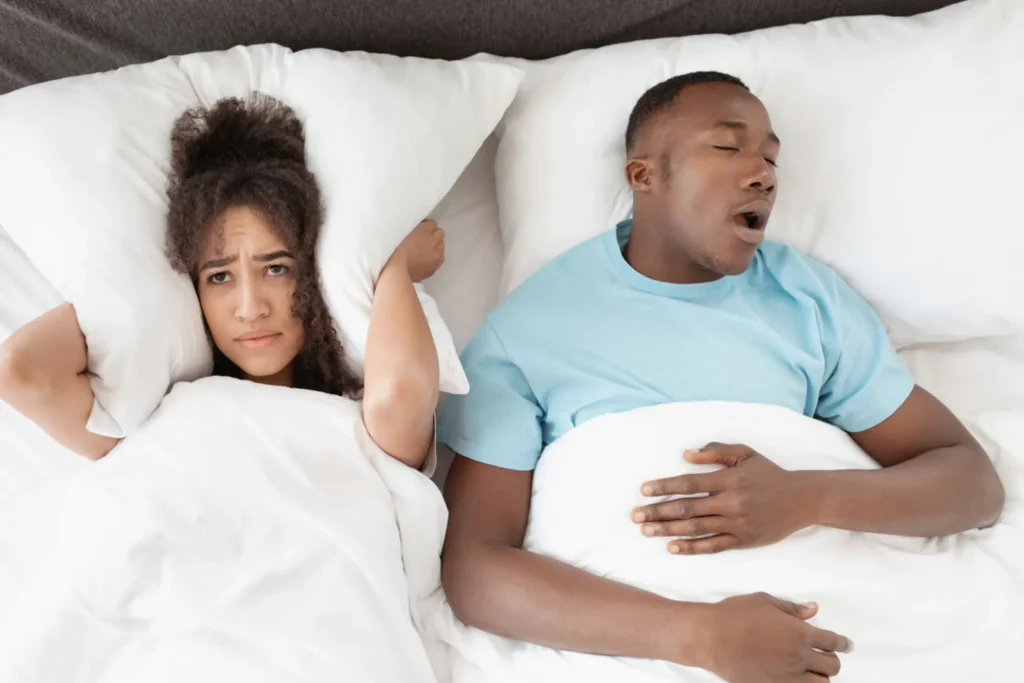
Between travel fatigue, wearable sleep scores, and workplace burnout, people are noticing what their nights actually feel like.
Thesis: If snoring is hurting sleep quality, an anti snoring mouthpiece can be a practical option—when you screen for red flags and track results like you mean it.
Quick overview: why snoring is more than “noise”
Snoring often starts as a vibration problem. Airflow gets turbulent when tissues in the throat relax during sleep.
For some couples, it turns into relationship comedy. For others, it’s a nightly negotiation about pillows, earbuds, or the guest room.
Recent health coverage has also pushed a more serious point: persistent snoring can overlap with sleep apnea symptoms, and sleep apnea has been discussed in relation to heart health. If you’re seeing warning signs, it’s smart to screen instead of guessing.
If you want a general read on this angle, see Weekly Research Digest: Bad Research, Unsupported Beliefs, and Sleep Apnea.
Timing: when to try a mouthpiece (and when to pause)
Good times to consider an anti snoring mouthpiece
Try one when snoring is frequent, your sleep feels light, and you wake up unrefreshed. It can also make sense if a partner reports loud snoring, but you don’t have obvious “stop-breathing” events.
It’s also a common move during trend cycles. People buy sleep gadgets, then realize the basics still matter: airway, routine, and consistency.
Pause and screen first if you notice red flags
Don’t “DIY” your way through symptoms that look like sleep apnea. Consider medical screening if you have loud snoring plus choking or gasping, witnessed breathing pauses, severe daytime sleepiness, or morning headaches.
If you’re traveling a lot, it gets tricky. Jet lag and alcohol can amplify snoring, so symptoms may look worse on the road. Still, red flags are red flags.
Supplies: what to gather before you start
- Your mouthpiece (follow its fitting instructions closely).
- Cleaning basics: a soft toothbrush and mild soap or the cleaner recommended by the manufacturer.
- A simple tracking method: notes app, a sleep journal, or a snoring app for rough trends.
- Documentation: take photos of the product and save the receipt and instructions. It helps with returns and safe use.
If you’re shopping, compare options and fit styles here: anti snoring mouthpiece.
Step-by-step (ICI): a safer, trackable way to test a mouthpiece
I — Identify your likely snoring pattern
Start with two questions: “Is it worse on my back?” and “Is it worse after alcohol, congestion, or a late meal?” Many people see a pattern within a week.
Also identify the stakes. Are you just trying to reduce noise, or are you chasing better daytime energy and fewer wake-ups?
C — Choose and fit carefully
Follow the fitting steps exactly. A poor fit can cause jaw soreness, tooth discomfort, or a quick “I quit” reaction after one night.
Set expectations. The goal is comfort plus measurable improvement, not a heroic overnight transformation.
I — Implement a 14-night test with documentation
Run a two-week trial so you don’t overreact to one weird night. During the test, log:
- Snoring intensity (partner rating 1–5 or app trend)
- Number of awakenings you remember
- Morning dry mouth, headache, or jaw soreness
- Daytime sleepiness (especially afternoon “crash”)
Keep your other variables steady. If you change your pillow, start a new supplement, and also add a mouthpiece, you won’t know what helped.
Mistakes that waste money (or create avoidable risks)
Ignoring symptoms that deserve screening
Snoring can be benign, but it can also sit next to sleep apnea. If you suspect apnea, a mouthpiece might not be enough. It may also delay getting the right care.
Over-tightening or forcing comfort
More “advance” is not automatically better. If you feel sharp pain, numbness, or tooth pain, stop and reassess. Comfort is part of safety.
Skipping hygiene and storage
This is a mouth-worn device. Clean it as directed and store it dry. Replace it when it shows wear.
Measuring success by one night
Sleep is noisy data. Stress, burnout, and travel can sabotage even a good setup. Use a two-week window, then decide.
FAQ: quick answers people are searching right now
Does a mouthpiece help with “burnout sleep”?
It can reduce snoring-related disruptions, which may improve perceived sleep quality. But stress, schedule, caffeine timing, and light exposure still matter.
What if my partner says I still snore sometimes?
That can be normal. Aim for fewer loud episodes and better rest, not perfection. If loud snoring persists, revisit fit and consider screening.
CTA: take the next step (without guessing)
If you want a practical option that doesn’t require a full bedroom makeover, start with a mouthpiece plan you can track. Choose a reputable product, fit it carefully, and document your results.
How do anti-snoring mouthpieces work?
Medical disclaimer: This article is for general education only and is not medical advice. Snoring can have many causes. If you have symptoms suggestive of sleep apnea (such as breathing pauses, choking/gasping, or significant daytime sleepiness), seek evaluation from a qualified clinician.