
- Snoring is a sleep-quality problem before it’s a relationship joke.
- Sleep isn’t “passive downtime.” It’s an active recovery window your body uses nightly.
- Gadgets can help, but basics like timing and wind-down still do heavy lifting.
- An anti snoring mouthpiece can be useful for the right kind of snoring, with the right fit.
- Safety matters: screen for red flags, keep it clean, and stop if you feel jaw pain.
Sleep is having a moment. Between wearable scores, smart alarms, and “sleepmaxxing” routines, it’s easy to forget the point: you want deeper, steadier rest. Meanwhile, snoring keeps showing up as the unglamorous spoiler—especially after travel fatigue, late-night work, or a week of workplace burnout.
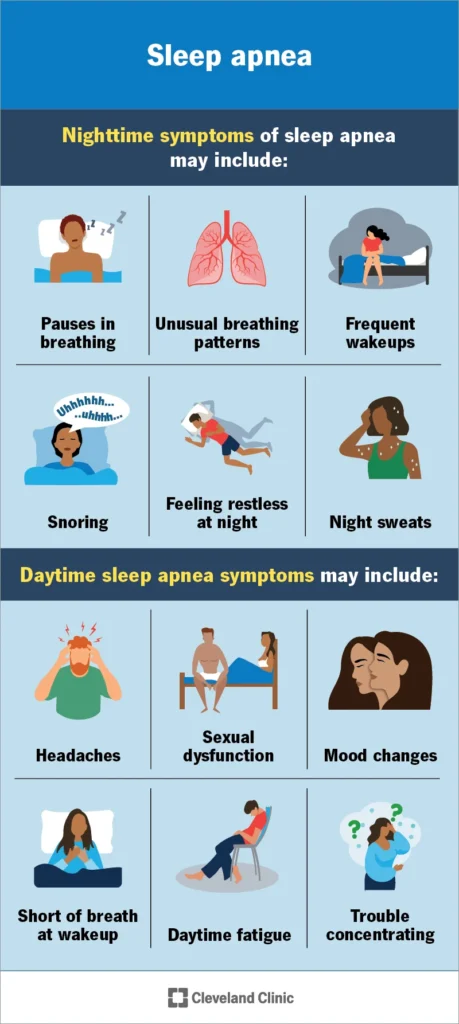
Let’s keep this simple and practical: where an anti snoring mouthpiece fits, what people are talking about right now, and how to make a low-risk decision.
Why does snoring mess with sleep quality so much?
Snoring isn’t just “noise.” It often signals airflow turbulence as tissues vibrate. That can fragment sleep for the snorer, the partner, or both. Even if you don’t fully wake up, micro-arousals can chip away at deep sleep and next-day focus.
It’s also why sleep experts keep repeating the same theme in the news: better sleep isn’t optional. Your body uses sleep for recovery, regulation, and reset. If snoring turns your night into a series of interruptions, the next day can feel like you’re running on a low battery.
Relationship reality check (with a little humor)
Couples joke about “sleep divorce,” separate blankets, or a pillow wall. Funny—until it becomes chronic. If snoring is straining the room, a plan beats resentment.
What’s driving the current sleep trend talk (and what’s actually useful)?
Recent coverage keeps circling the same ideas: protect your schedule, cool down your brain before bed, and be careful with late work. One tip that keeps popping up: stop working well before bedtime so your mind can shift gears.
Sleep products are also trending—everything from white noise to light-blocking to temperature tools. That’s not inherently bad. The risk is using gadgets as a substitute for fundamentals.
A simple “stack” that doesn’t require buying five devices
- Time buffer: give yourself a real wind-down window (not just “scroll until you drop”).
- Bedroom cues: dark, cool, and quiet enough for you (and your partner).
- Position awareness: back sleeping can worsen snoring for some people.
- Travel reset: after flights or hotel nights, prioritize consistent sleep/wake times for a few days.
Is an anti snoring mouthpiece worth trying?
It can be—if your snoring is related to how your jaw and tongue sit during sleep. Many mouthpieces aim to improve airflow by encouraging a forward jaw position or stabilizing the mouth to reduce collapse.
People are asking about mouthpieces more right now because they feel like a “middle step”: more serious than nasal strips, less involved than clinical devices. You’ll also see more reviews and product roundups in the sleep-product wave.
Who may be a better candidate?
- Frequent snoring that’s worse on your back
- Snoring that spikes after alcohol, congestion, or exhaustion (common with travel fatigue)
- A partner reporting consistent snoring, but without obvious breathing pauses
Who should be extra cautious (screening first)?
- Choking/gasping at night or witnessed breathing pauses
- Strong daytime sleepiness, morning headaches, or uncontrolled high blood pressure
- TMJ pain, jaw clicking/locking, loose teeth, or significant dental work
If those red flags show up, don’t “DIY your way through it.” A clinician can help rule out sleep apnea or other issues.
What should you look for in a mouthpiece to reduce risk?
This is the part that protects you. Mouthpieces are simple tools, but poor fit or poor hygiene can create avoidable problems.
Fit and comfort: your non-negotiables
- Stable fit: it should stay seated without clenching.
- Jaw feel: mild adjustment is one thing; sharp pain is another.
- Breathing comfort: you should not feel like airflow is restricted.
Hygiene and handling: reduce infection risk
- Wash hands before handling.
- Clean the device daily per manufacturer directions.
- Let it dry fully and store it in a ventilated case.
- Replace it if it cracks, warps, or develops persistent odor.
Document what you’re doing for yourself: start date, how it feels, and whether snoring reports improve. That makes it easier to decide if it’s helping or if you should stop.
How do you tell if it’s helping (without obsessing over sleep data)?
Wearables can be motivating, but they can also create “score anxiety.” Use a simple checklist for two weeks:
- Partner reports: volume and frequency
- Morning feel: dry mouth, jaw soreness, headache
- Daytime function: sleepiness, focus, mood
- Consistency: did you use it most nights?
If snoring drops and you feel better, that’s a win. If you feel worse, stop and reassess.
Where can you read more about better sleep guidance?
For general, mainstream sleep tips that align with what people are discussing right now, see Expert shares tips on getting better sleep.
What are good next steps if you want to try a mouthpiece?
Start with safety screening, then choose a reputable option and track results. If you want to compare options, you can review anti snoring mouthpiece and pick a style that matches your comfort needs.
Medical disclaimer: This article is for general education only and is not medical advice. It does not diagnose, treat, or replace care from a qualified clinician. If you suspect sleep apnea or have severe symptoms (gasping, breathing pauses, chest pain, significant daytime sleepiness), seek medical evaluation.