
Is your snoring getting louder—or just getting less tolerable?
Are sleep gadgets and “viral fixes” making it harder to pick a real solution?
Could an anti snoring mouthpiece actually improve sleep quality for you and your partner?
Yes, snoring is having a moment. Reviews and “clinical-style” breakdowns of mandibular advancement devices are showing up everywhere, right alongside lists of the “best mouthpieces” and articles reminding people that snoring can be more than a punchline. The smarter move: treat the trend as a prompt to evaluate your sleep, not as a reason to impulse-buy.
What’s popping up right now (and why people care)
Sleep culture keeps drifting toward tools: rings, apps, white-noise machines, nasal strips, and mouthpieces. That lines up with how people live right now—late nights, early meetings, travel fatigue, and the kind of burnout that makes “I’ll fix it later” feel normal.
Snoring also has relationship gravity. It’s the classic bedroom joke until someone starts sleeping on the couch. Add a workday that demands focus, and suddenly snoring becomes a performance issue too.
That’s why anti-snoring mouthpieces keep trending. They’re tangible. They feel more “real” than another app notification telling you your sleep score is bad.
What matters medically (snoring isn’t always harmless)
Snoring often comes from vibration in the upper airway when airflow narrows during sleep. Common drivers include sleep position, alcohol near bedtime, nasal congestion, and anatomy (jaw/tongue placement).
Here’s the line you shouldn’t ignore: snoring can also show up with obstructive sleep apnea, a condition linked with broader health risks. If you want a deeper medical overview, read this related explainer on SleepZee Reviews 2026: Is It Safe and Legit? Clinical Analysis of This Mandibular Advancement Device.
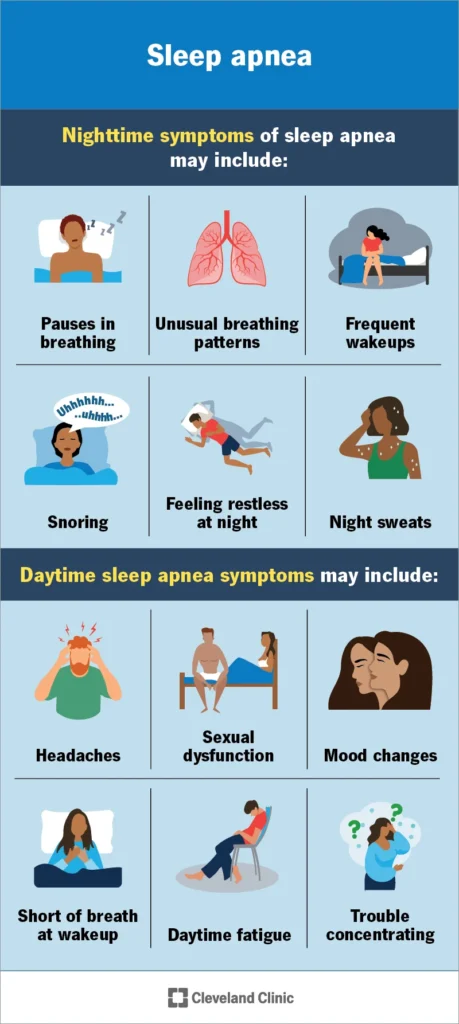
Red flags that deserve attention: choking/gasping at night, witnessed breathing pauses, morning headaches, high daytime sleepiness, or high blood pressure concerns. If those are in the picture, don’t treat a mouthpiece as your only plan.
How to try at home (without overcomplicating it)
Think of this as a quick, practical experiment. Your goal is fewer snores, better sleep quality, and fewer wake-ups—without new pain.
Step 1: Do a 3-night baseline
Pick three typical nights. Note: snoring volume (partner rating is fine), awakenings, morning dryness, and daytime energy. If you use a sleep app, keep it simple—don’t chase perfect metrics.
Step 2: Fix the easy variables first
Try side sleeping, reduce alcohol close to bedtime, and manage nasal congestion when it’s clearly present. These moves can change snoring fast, especially after travel or during a stressful stretch.
Step 3: Consider a mouthpiece if jaw/tongue position seems likely
An anti snoring mouthpiece (often a mandibular advancement-style device) aims to hold the lower jaw slightly forward. That can reduce airway collapse and vibration for some sleepers.
If you want a product option to compare, here’s a relevant listing: anti snoring mouthpiece. Focus on comfort, fit, and whether you can keep it in all night.
Step 4: Use a “comfort-first” ramp-up
Start with short wear time before sleep to get used to it. Then use it overnight. If you wake up with jaw soreness, back off and reassess fit and advancement. A device that you can’t tolerate won’t improve sleep quality.
When to stop DIY and get help
Get medical guidance if snoring comes with breathing pauses, significant daytime sleepiness, or repeated gasping. Also get help if you develop persistent jaw pain, tooth pain, or notice bite changes with a mouthpiece.
If your partner says the snoring is “different lately” after weight change, new meds, or a big burnout phase, that’s another reason to take it seriously. Sleep disruption compounds fast.
FAQ (quick answers)
Is a mouthpiece the same as a mouthguard?
Not always. Some are designed for tooth protection (like sports or grinding), while anti-snoring devices are designed to influence airflow by positioning the jaw or tongue.
Can I combine a mouthpiece with other fixes?
Often, yes. Side sleeping and congestion management can pair well. If you suspect apnea, prioritize evaluation rather than stacking gadgets.
What should “working” feel like?
Quieter nights, fewer awakenings, and better morning energy. It should not feel like ongoing jaw strain.
CTA: Make the next step simple
If you want a straightforward way to learn the basics before you buy anything, start here:
How do anti-snoring mouthpieces work?
Medical disclaimer: This article is for general education and does not diagnose, treat, or replace medical advice. If you suspect sleep apnea or have persistent symptoms, talk with a qualified clinician or a sleep specialist.