
- Snoring isn’t just “noise.” It can be a sleep quality problem for you and anyone within earshot.
- Cold, dry winter air can make nighttime breathing feel worse for some people.
- Trendy hacks (like mouth taping) get attention, but safety depends on your breathing and risk factors.
- An anti snoring mouthpiece can be a practical tool when snoring is positional or jaw-related.
- Screening matters. If you might have sleep apnea, document symptoms and get evaluated.
Why does snoring feel louder (and sleep feel worse) in winter?
Winter changes the whole sleep setup. Indoor heat often dries the air, noses get stuffy, and you may breathe through your mouth more. Add travel fatigue, holiday stress, and late-night scrolling, and your sleep can get choppy fast.
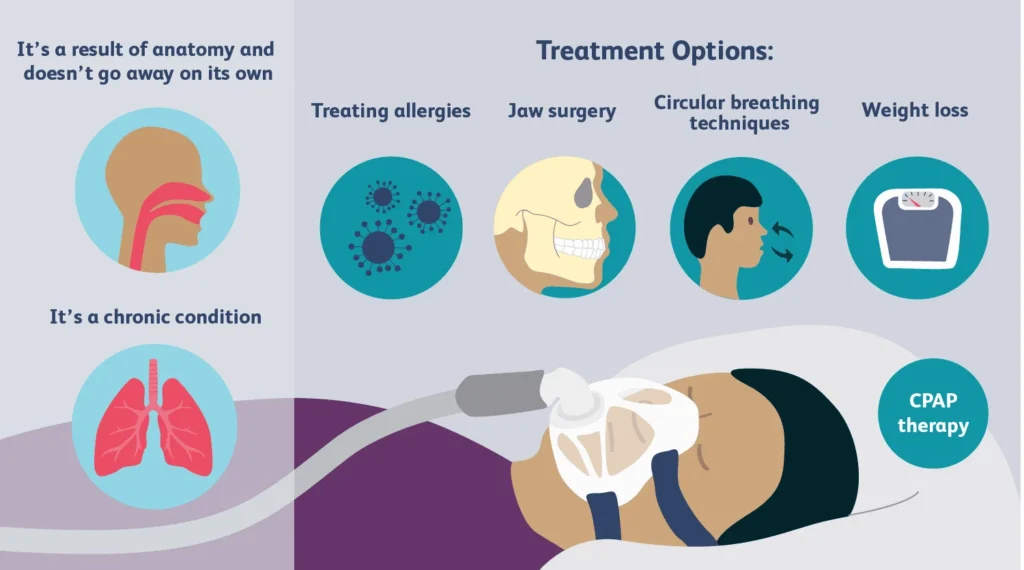
Some headlines have highlighted that winter conditions can aggravate breathing issues during sleep. You don’t need to panic. You do need to pay attention if your snoring comes with daytime exhaustion, headaches, or witnessed breathing pauses.
Quick winter sleep upgrades that don’t require a new gadget
Start with basics before you buy anything. Humidity, nasal comfort, and sleep position can change snoring volume more than people expect.
- Try side-sleeping if you usually sleep on your back.
- Consider a bedroom humidifier if the air feels dry.
- Limit alcohol close to bedtime, especially during social seasons.
- Keep a consistent sleep window when possible (even on weekends).
Is snoring just annoying, or could it be a health signal?
Relationship jokes about “sleep divorce” are everywhere right now, but snoring isn’t always a punchline. Loud, frequent snoring can be linked with obstructed breathing at night, including obstructive sleep apnea. Sleep apnea has also been discussed in connection with cardiovascular strain in mainstream health coverage.
Here’s the no-drama approach: treat snoring like a symptom worth sorting. If your sleep is unrefreshing or your partner notices breathing pauses, it’s time to screen rather than guess.
Signs people miss (and later wish they didn’t)
- Waking up with a dry mouth or sore throat most mornings
- Morning headaches or “fog” that takes hours to clear
- Falling asleep easily during meetings, movies, or rideshares
- Nighttime choking, gasping, or sudden awakenings
- High blood pressure or heartburn that seems worse at night
If any of these fit, write them down for a week. Dates, severity, and what your partner noticed help you communicate clearly to a clinician and reduce the risk of missing something important.
Do anti-snoring mouthpieces actually work, or is it hype?
Mouthpieces are having a moment because they’re simpler than many sleep gadgets. They don’t need batteries, apps, or a subscription. The core idea is mechanical: some designs gently reposition the lower jaw forward to help keep the airway more open during sleep.
That can be useful when snoring is driven by relaxed throat tissues and jaw position. It won’t fix every cause of snoring. Nasal blockage, enlarged tissues, alcohol effects, and untreated sleep apnea can still overpower a mouthpiece.
Who tends to do well with a mouthpiece?
- Back sleepers whose snoring improves on their side
- People whose partner reports “vibration snoring” without obvious pauses
- Those who want a travel-friendly option for hotel rooms and red-eye flights
Who should be cautious first?
- Anyone with suspected sleep apnea symptoms (get screened)
- People with jaw pain, TMJ disorder, loose teeth, or major dental work
- Those with chronic nasal obstruction who can’t breathe well through the nose
Is mouth taping a smart snoring hack—or a risky trend?
Mouth taping keeps popping up in wellness feeds because it looks simple. Recent coverage has also raised safety questions, especially for people who may have sleep apnea or limited nasal airflow. That’s the key point: if your nose can’t do the job, taping your mouth can backfire.
If you’re tempted by the trend, step back and choose lower-risk steps first. Improve nasal comfort, address dryness, and consider reversible options that don’t restrict breathing.
How do you choose an anti snoring mouthpiece without regret?
Make the decision like you would any health-related purchase: reduce risk, track outcomes, and keep an exit plan. Workplace burnout is real, and tired brains buy shiny solutions at 1 a.m. A simple checklist helps you stay grounded.
A practical selection checklist
- Comfort and fit: You should be able to close your lips and relax your face.
- Jaw feel: Mild adaptation is common. Sharp pain is not.
- Cleanability: Easy cleaning lowers the chance you’ll “skip it” and raise hygiene risk.
- Materials and durability: Replace if it warps, cracks, or develops persistent odor.
- Documentation: Note snoring volume (partner rating), sleep quality, and morning symptoms.
Safety notes that protect your sleep (and your wallet)
Stop using a device if you develop jaw locking, tooth pain, gum irritation, or headaches that worsen. If snoring improves but daytime sleepiness continues, don’t assume you’re “fixed.” That’s a common trap.
For broader context on seasonal breathing and sleep concerns, see this related coverage: Why Winter Can Make Sleep Apnea Worse.
What’s the simplest way to try a mouthpiece approach?
If you want a straightforward option to test at home, consider a combo approach that supports jaw position and helps keep the mouth closed. Many couples care less about “perfect tech” and more about quiet sleep that sticks.
Here’s a product option to review: anti snoring mouthpiece.
FAQ: quick answers before you commit
Can I use a mouthpiece every night?
Many people do, but comfort and jaw health come first. If symptoms worsen, pause and reassess.
Should I still see a clinician if the snoring gets better?
Yes, if you have red flags like breathing pauses or significant daytime sleepiness. Reduced noise doesn’t always mean normal breathing.
What should I track to know if it’s working?
Partner-rated snoring volume, your morning energy, headaches, dry mouth, and nighttime awakenings are a solid start.
Next step: get answers, not guesses
If snoring is hurting your sleep quality, you don’t need a drawer full of gadgets. You need a safe plan, a simple trial, and clear screening criteria.
How do anti-snoring mouthpieces work?
Medical disclaimer: This article is for general education only and is not medical advice. It does not diagnose, treat, or replace care from a licensed clinician. If you suspect sleep apnea, have chest pain, severe daytime sleepiness, or witnessed breathing pauses, seek medical evaluation.