
Myth: Snoring is just “noise” and the only fix is a pricey gadget.
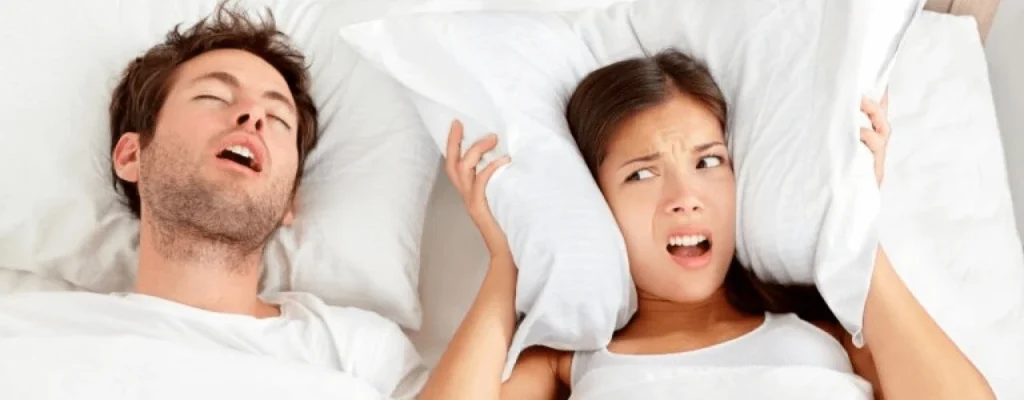
Reality: Snoring can be a sleep-quality problem for you and anyone within earshot. You don’t need to waste a pay cycle chasing every trend. You need a simple plan that matches the likely cause.
Is snoring actually hurting your sleep quality?
Sometimes snoring is just annoying. Other times it’s a red flag that your breathing gets restricted during sleep. Either way, broken sleep adds up fast: foggy mornings, shorter patience, and that “I need another coffee” loop that fuels workplace burnout.
If you wake up unrefreshed, get morning headaches, or your partner notices pauses or gasping, don’t brush it off. Those can be signs of a sleep-breathing disorder that deserves medical attention.
Why does snoring feel worse in winter and during travel weeks?
Cold months often bring dry air, congestion, and closed windows. That combination can make nighttime breathing feel harder for some people. It’s one reason you may see headlines about Why Winter Can Make Sleep Apnea Worse and similar seasonal sleep conversations.
Now add travel fatigue: odd pillows, back-sleeping in a hotel bed, a late dinner, or a drink on the flight. Snoring can spike, and the jokes start. Relationship humor is real, but so is the sleep debt.
What’s the fastest at-home way to test whether a mouthpiece could help?
Ask one practical question: Does your snoring sound worse when you sleep on your back? Back-sleeping can let the jaw and tongue fall backward, narrowing the airway. That’s a common “mechanical” snore pattern where an anti snoring mouthpiece may help.
Also consider whether you wake with a dry mouth. Mouth breathing can amplify noise and dryness. It doesn’t prove a mouthpiece will work, but it’s a useful clue for your next step.
What is an anti snoring mouthpiece, in plain terms?
Most anti-snoring mouthpieces are designed to change position in a way that reduces airway narrowing. Many use a gentle jaw-forward posture (often called a mandibular advancement style). Others focus on supporting the tongue.
The goal is simple: improve airflow so tissues vibrate less. Less vibration usually means less snoring, and better odds of staying asleep.
Which “snore hacks” are trending, and what should you do instead?
Sleep trends come in waves: wearables, smart rings, white-noise machines, and viral fixes. One recent example is mouth taping, which gets attention as a quick DIY tactic. The problem is that it can be unsafe for some people, especially if nasal breathing is limited or if there’s an undiagnosed sleep-breathing issue.
If you want a budget-friendly approach, start with low-risk basics first: side-sleeping, reducing alcohol near bedtime, and addressing nasal stuffiness. Then consider an oral option that’s built for the job, rather than a hack.
How do you choose a mouthpiece without wasting money?
1) Pick comfort you’ll actually wear
A mouthpiece that sits in a drawer doesn’t help. Look for a design that feels stable and doesn’t force an extreme position on night one.
2) Consider whether mouth breathing is part of the problem
If you wake up with a dry mouth or your partner hears open-mouth snoring, you may benefit from added support that encourages closed-mouth breathing. Some people pair a mouthpiece with a chinstrap for that reason.
3) Plan for an adjustment period
Expect a short ramp-up. Mild jaw or tooth soreness can happen early on. If pain is sharp, persistent, or you have dental issues, stop and get professional guidance.
When should you skip self-experimenting and talk to a clinician?
Snoring can overlap with sleep apnea symptoms. If you have loud snoring plus choking/gasping, witnessed pauses, significant daytime sleepiness, or high blood pressure concerns, get evaluated. A mouthpiece may still be part of the solution, but the right path starts with proper screening.
For a general overview of symptoms and causes, see reputable medical guidance such as Mayo Clinic’s sleep apnea resources.
What’s a practical, budget-first plan for this week?
Night 1–2: Try side-sleeping and cut late alcohol. Keep the bedroom cooler and comfortable, especially in dry winter air.
Night 3–7: If snoring persists, trial a purpose-built mouthpiece option. If mouth breathing seems to drive the noise, consider a combo approach like an anti snoring mouthpiece.
Ongoing: Track outcomes with one metric that matters: did you wake up more rested? Bonus points if your partner stops nudging you at 2 a.m.
FAQs
Do anti-snoring mouthpieces work for everyone?
No. They often help when snoring is driven by jaw/tongue position, but not every snorer has that pattern.
Is mouth taping a safe snoring fix?
It’s a trend, but it may be unsafe for some people. If you have congestion or possible sleep apnea, don’t DIY it without medical advice.
How long does it take to get used to a mouthpiece?
Many people adapt over several nights to a couple of weeks. Comfort and fit make a big difference.
Can a mouthpiece help with sleep apnea?
Some oral appliances are used in certain cases, but suspected sleep apnea needs evaluation. Don’t self-diagnose.
What else improves sleep quality fast?
Consistent bed/wake times, fewer late stimulants, and managing nasal congestion can boost results alongside a mouthpiece.
Medical disclaimer: This article is for general education only and is not medical advice. It does not diagnose, treat, or cure any condition. If you suspect sleep apnea or have concerning symptoms, talk with a qualified healthcare professional.