
Before you try another snore “hack,” run this quick checklist.
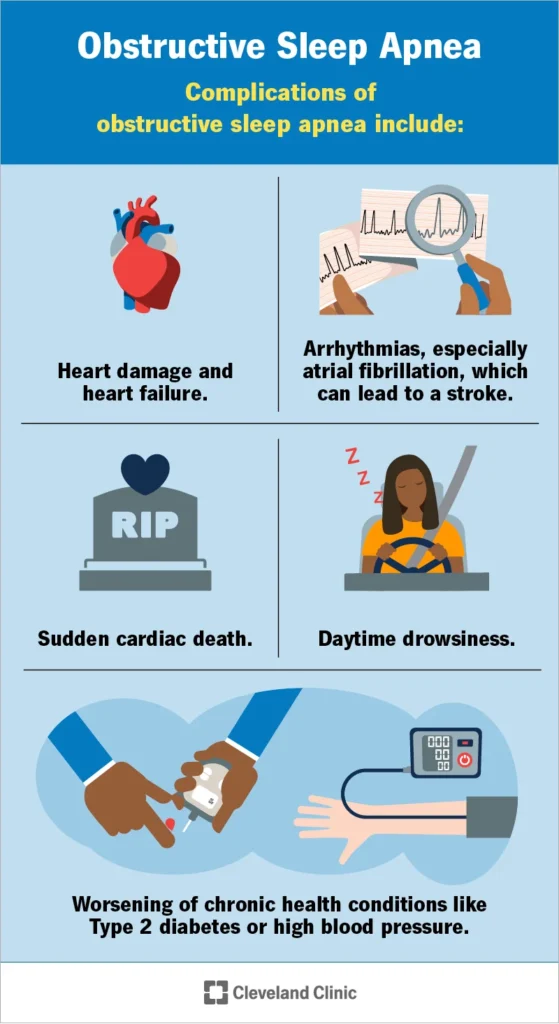
- Safety first: If you wake up choking, gasping, or feel unusually sleepy during the day, pause the DIY experiments and get screened for sleep apnea.
- Skip risky trends: Viral ideas like taping your mouth shut are getting attention, but they’re not a fit for everyone—especially if nasal breathing isn’t reliable.
- Pick one tool: Choose a single, realistic option (often an anti snoring mouthpiece) and test it consistently for 1–2 weeks.
- Fix the basics: Late-night work, travel fatigue, and burnout can all worsen sleep quality. Your plan needs timing, not just gear.
Overview: Why snoring is having a “moment” again
Sleep gadgets are everywhere right now. Some are genuinely helpful. Others are just loud promises in sleek packaging. Add business travel, red-eye flights, and always-on work chats, and it’s no surprise couples are joking about “sleep divorces” (separate bedrooms) like it’s a productivity strategy.
Snoring sits right in the middle of that cultural swirl. It’s annoying, it’s common, and it can wreck sleep quality for two people at once. The good news: you can approach it like a simple home experiment—track, test, adjust.
If you’re curious about the safety conversation around taping, see this related coverage here: Taping your mouth shut to stop snoring is a thing — but is it safe? Experts weigh in.
Timing: When to run your snoring test (so results mean something)
Most people change five things at once, then can’t tell what worked. Instead, pick a two-week window and keep the schedule boring.
Set a “work-off” buffer
If your brain is still writing emails at bedtime, your sleep gets lighter. Lighter sleep can mean more tossing, more mouth breathing, and more snoring. Try ending focused work well before you plan to sleep, then use the last stretch for low-stimulation tasks.
Account for travel fatigue
Hotel air, alcohol with late dinners, and unfamiliar pillows can spike snoring. If you’re testing a mouthpiece, don’t start for the first time on a big trip. Do a few nights at home first.
Supplies: What you actually need (and what to skip)
You don’t need a nightstand full of gadgets. Keep it simple and measurable.
- A snoring log: Notes app works. Track bedtime, alcohol, congestion, and how rested you feel.
- Optional audio: A basic snore recording app can help you compare nights.
- Comfort items: Water at bedside, lip balm, and a small case for your device.
- Your chosen device: A well-fitting anti-snoring mouthpiece (and any included accessories).
Looking for a combined setup? Here’s a related option: anti snoring mouthpiece.
Step-by-step (ICI): Insert → Check → Improve
This is the repeatable routine that makes a mouthpiece trial useful. Think of it as ICI: Insert, Check, Improve.
1) Insert: start with clean, calm, and consistent
Rinse the mouthpiece with cool water before use. If it’s a moldable style, follow the included directions exactly. Small deviations can ruin comfort.
Insert it the same way every night. Consistency reduces the “Is this even working?” guesswork.
2) Check: confirm comfort, breathing, and positioning
- Jaw feel: You want secure, not strained. Pain is a stop sign, not a “push through it” signal.
- Nasal breathing: Aim for easy nasal airflow. If you’re congested, address that first (humidification, saline, allergies) rather than forcing a trend.
- Sleep position: Back sleeping often worsens snoring. Side sleeping can help many people, even with a mouthpiece.
For relationship peace: ask your partner for one simple metric, like “How many times did you wake up?” Not a full critique at 2 a.m.
3) Improve: adjust one variable per night
Night 1–3 is about adaptation. Don’t chase perfection. If your device allows incremental changes, make small adjustments and give each one a few nights.
- If you drool: Common early on. It usually improves as your mouth adapts.
- If you feel pressure: Back off adjustments if possible and reassess fit.
- If snoring is unchanged: Review alcohol, congestion, and back sleeping before you blame the device.
Mistakes people keep making (especially during the gadget craze)
Stacking too many fixes at once
Mouthpiece + new pillow + tape + supplement + nasal device = no clear answer. Choose one primary intervention, then layer slowly.
Ignoring red flags for sleep apnea
Snoring can be harmless, but it can also show up alongside obstructive sleep apnea. If you notice pauses in breathing, morning headaches, high daytime sleepiness, or your partner reports choking/gasping sounds, get evaluated.
Forcing a viral trend when breathing isn’t clear
If your nose is blocked, mouth taping can be risky and uncomfortable. Many “one weird trick” routines skip the basics: can you breathe easily through your nose all night?
Skipping cleanup (then quitting from grossness)
Rinse after use and let it fully dry in a ventilated case. A dirty device becomes a fast excuse to stop, even if it was helping.
FAQ: Fast answers on snoring, sleep quality, and mouthpieces
What if my snoring is worse after a late work night?
Stress and screen time can fragment sleep. That can increase mouth breathing and snoring. Protect your wind-down window and re-test on a calmer night.
Can an anti-snoring mouthpiece improve sleep quality?
If it reduces snoring and arousals, many people feel more rested. It won’t fix every cause of poor sleep, so keep expectations realistic.
Do I need a dentist-made device?
Some people do better with a custom fit, especially if comfort is an issue. Start with safety and consistency, then upgrade if needed.
CTA: Make your next night a real experiment
If snoring is turning sleep into a nightly negotiation, pick a plan you can repeat. Start with the checklist, run the ICI routine, and track your results for two weeks.
How do anti-snoring mouthpieces work?
Medical disclaimer: This article is for general education and isn’t medical advice. Snoring can be a symptom of obstructive sleep apnea or other conditions. If you have breathing pauses, choking/gasping, chest pain, severe daytime sleepiness, or persistent symptoms, seek evaluation from a qualified clinician or dentist.