
Myth: If a snore hack is trending, it must be the best fix.
Reality: Most “quick fixes” are really experiments. Some are harmless. Others can backfire. If you want better sleep quality, you need a plan that’s boring, repeatable, and safe.
The big picture: why snoring is suddenly everyone’s hobby
Sleep gadgets are having a moment. People are tracking scores, testing pillows, and swapping tips like it’s a group project. Add travel fatigue, late-night scrolling, and workplace burnout, and it’s no surprise snoring is getting louder in the conversation.
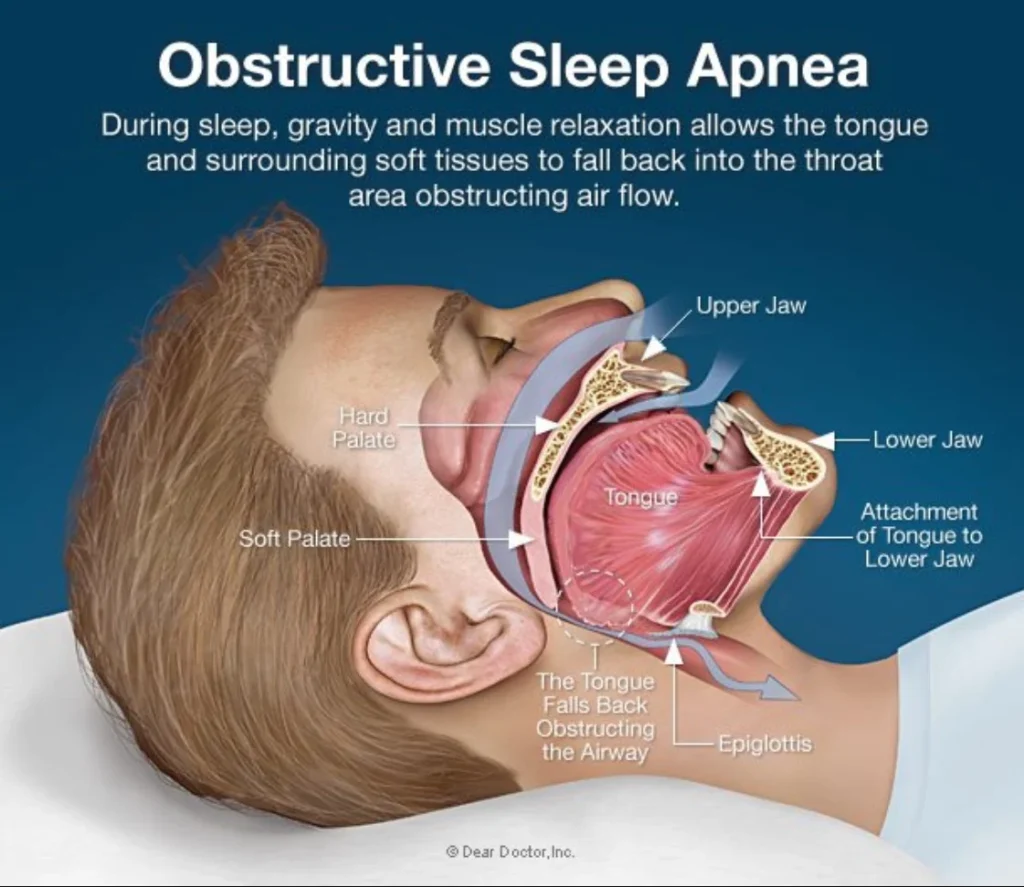
Snoring also isn’t just “relationship comedy.” It can be a signal that airflow is getting restricted during sleep. Sometimes it’s simple. Sometimes it’s not.
The emotional side: the snorer isn’t the only one losing sleep
Snoring turns bedtime into negotiations. One person wants closeness. The other wants silence. That tension builds fast, especially when both people are already tired.
It also creates a weird pressure to try whatever’s trending. Mouth tape, special sprays, “miracle” nose devices—anything to avoid another night on the couch.
What people are trying right now (and what to consider)
Viral hack: mouth taping
Mouth taping is being talked about as a way to encourage nasal breathing at night. The safety question matters, because you’re changing how you breathe while asleep.
If you’re curious, read a balanced overview like Taping your mouth shut to stop snoring is a thing — but is it safe? Experts weigh in. Then be honest about your nose: if you can’t breathe freely through it while awake, taping at night is not a smart gamble.
Sleep-product overload: the “12 things” era
Lists of sleep products are everywhere—white noise, cooling bedding, light-blocking gear, and more. These can support sleep comfort, but they don’t always address the mechanics of snoring.
Use gadgets to remove friction (heat, light, noise). Use targeted tools when the problem is airflow and vibration.
A more direct tool: the anti snoring mouthpiece
An anti snoring mouthpiece is designed to change the position of your jaw and/or tongue to help keep the airway more open. For many snorers, that’s closer to the root cause than another pillow upgrade.
It’s also a practical “relationship fix” because it aims to reduce the sound, not just mask it.
If you’re comparing options, start with a clear category search like anti snoring mouthpiece and focus on fit, comfort, and return policies.
Practical steps: a no-drama plan for better sleep quality
Step 1: run a 7-night snore + sleep log
Keep it simple. Track bedtime, alcohol, late meals, congestion, and how you felt in the morning. If your partner is involved, ask for a quick 1–10 snore rating.
This helps you spot patterns like “snoring spikes after travel” or “it’s worse after late work sessions.”
Step 2: stop work earlier than you think you need to
One trend in sleep advice is cutting off work before bed. The point isn’t perfection. It’s giving your nervous system time to downshift.
Try a hard stop two hours before sleep for a week. Replace it with something low-stimulation: shower, stretching, light reading, or tomorrow’s to-do list (written once, then closed).
Step 3: choose one snoring intervention at a time
Stacking five changes makes it impossible to know what helped. Pick one: a mouthpiece, positional changes, or nasal support. Test it for 10–14 nights.
If you choose a mouthpiece, prioritize comfort and consistency. A device that sits in a drawer doesn’t improve sleep health.
Safety and testing: when to pause and when to get checked
Red flags that deserve medical attention
- Choking, gasping, or witnessed breathing pauses during sleep
- Morning headaches, high daytime sleepiness, or concentration problems
- High blood pressure or heart concerns alongside loud snoring
Snoring can be linked with sleep apnea, which is more than a nuisance. If any of the above fits, talk with a clinician or a sleep specialist for proper evaluation.
How to “test” a mouthpiece without overthinking it
- Night 1–3: expect adjustment (saliva, mild jaw awareness).
- Night 4–10: look for fewer wake-ups and fewer partner nudges.
- After 2 weeks: decide based on comfort + results, not hype.
Stop using it and seek advice if you develop significant jaw pain, tooth pain, or bite changes.
FAQ: quick answers people want before bed
Is snoring always a health problem?
No. Sometimes it’s situational (sleep position, congestion, alcohol). Still, persistent loud snoring is worth taking seriously, especially with daytime symptoms.
Can a mouthpiece replace a CPAP?
Not automatically. Some oral appliances are used for certain cases, but sleep apnea treatment should be guided by a clinician.
What if snoring is worse when traveling?
Travel can disrupt sleep timing, increase alcohol intake, and dry out airways. A consistent routine plus a targeted tool (like a mouthpiece) may help, but watch for red flags.
CTA: make the next step easy
If you’re done experimenting with random hacks and want a more direct approach, start here:
How do anti-snoring mouthpieces work?
Medical disclaimer: This article is for general education and does not provide medical advice, diagnosis, or treatment. If you suspect sleep apnea or have concerning symptoms, consult a qualified healthcare professional.