
On the third night of a work trip, “J” did the math at 2:07 a.m.: one squeaky hotel mattress, one looming presentation, and one partner texting, “You’re snoring again.” The next morning brought the familiar combo—brain fog, extra coffee, and a promise to finally “buy something for it.”
That’s basically where a lot of people are right now. Sleep gadgets are everywhere, burnout is real, and snoring has a way of turning bedtime into a relationship comedy sketch. If you want a practical, budget-minded path, an anti snoring mouthpiece is one of the most discussed at-home options.
Why does snoring feel worse lately (even if it’s not new)?
Snoring isn’t just “a noise problem.” It can mess with sleep quality for the snorer and anyone within earshot. When your sleep gets chopped up, your day often follows.
Recent sleep trend talk has focused on simple behavior shifts too, like reducing late-night work and screen time. If your brain is still in “inbox mode” at bedtime, falling asleep can take longer, and lighter sleep can make snoring more noticeable.
Common amplifiers you can actually control
- Travel fatigue: unfamiliar beds, different schedules, and more back-sleeping.
- Workplace burnout: stress can fragment sleep and raise sensitivity to noise.
- Evening habits: late work, alcohol close to bedtime, or heavy late meals for some people.
- Nasal stuffiness: congestion can push you toward mouth-breathing.
Is an anti-snoring mouthpiece a smart first purchase?
It can be, especially if you want a low-friction, at-home step before you spend on a pile of gadgets. Mouthpieces are popular because they’re relatively straightforward: you wear one, you see if snoring improves, and you stop wasting weeks on random “hacks.”
Many mainstream reviews and roundups compare mouthpieces alongside other sleep products like white noise machines, pillows, and trackers. That’s helpful context, but the best “value” is the thing you will actually use consistently.
What mouthpieces try to do (in plain language)
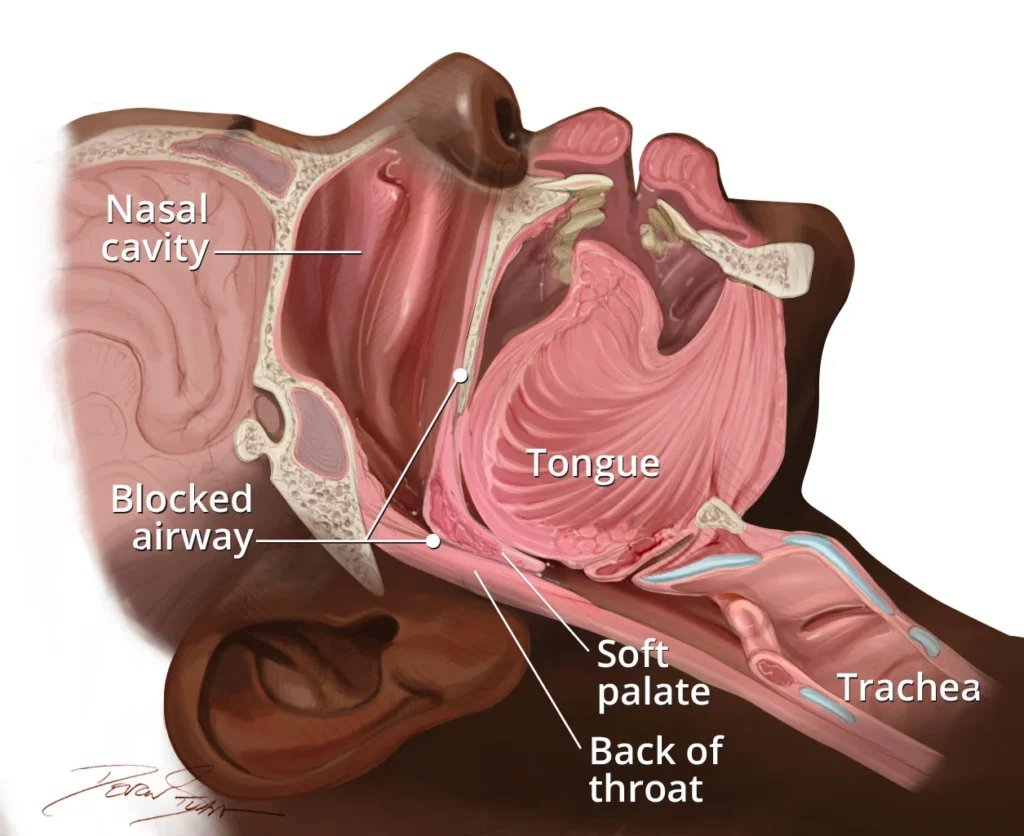
Many anti-snoring mouthpieces are designed to position the lower jaw slightly forward during sleep. The goal is to reduce airway narrowing that can contribute to snoring for some people.
Comfort matters. A device that looks perfect on paper won’t help if it lives in your nightstand.
How do you shop without wasting a full sleep cycle?
Skip the impulse buy based on a single viral clip. Instead, decide based on fit, comfort, and realistic expectations. Some product write-ups discuss mandibular advancement devices in more “clinical analysis” terms, but you still need the basics to line up for your mouth and your routine.
A practical checklist before you buy
- Fit approach: adjustable vs. boil-and-bite vs. fixed sizing.
- Comfort signals: bulky designs can irritate lips, gums, or jaw for some users.
- Materials: choose something you can tolerate overnight.
- Return policy: important if you’re trialing at home.
- Cleaning routine: if it’s annoying to clean, you won’t keep using it.
If you want to compare a straightforward starting point, see these anti snoring mouthpiece and focus on comfort and fit first.
When is snoring a red flag instead of a nuisance?
Sometimes snoring is just snoring. Other times, it can be linked with sleep-disordered breathing concerns. If you or your partner notices loud frequent snoring plus choking/gasping, witnessed breathing pauses, or significant daytime sleepiness, it’s worth taking seriously.
For a reputable overview of warning signs, you can read more on SleepZee Reviews 2026: Is It Safe and Legit? Clinical Analysis of This Mandibular Advancement Device.
If any of these show up, don’t self-experiment for months
- Breathing pauses noticed by a bed partner
- Gasping or choking during sleep
- Morning headaches or dry mouth that won’t quit
- Daytime sleepiness that affects driving or work
What else improves sleep quality while you test a mouthpiece?
Think of a mouthpiece as one tool, not a whole sleep plan. If you’re trying to get results on a budget, pair it with changes that cost nothing.
Low-cost moves people are talking about
- Protect a wind-down window: many sleep articles highlight stopping work earlier in the evening to help your brain downshift.
- Side-sleep support: a pillow tweak can reduce back-sleeping for some people.
- Consistent wake time: it stabilizes your sleep drive, even when nights aren’t perfect.
- Noise strategy: if your partner is the one suffering, white noise can be a short-term peace treaty.
Common questions people ask before trying a mouthpiece
Most shoppers want the same thing: fewer wake-ups, less friction with a partner, and a solution that doesn’t turn into a drawer full of unused sleep gear. Start with a clear trial plan: comfort, consistency, and a simple way to track whether mornings feel better.
Medical disclaimer
This article is for general education only and is not medical advice. It does not diagnose, treat, or cure any condition. If you suspect sleep apnea or have concerning symptoms, talk with a qualified clinician for evaluation and personalized guidance.