
Myth: The newest viral snore hack is always the best fix.
Reality: Some trends can be uncomfortable, ineffective, or even unsafe for the wrong person. A steadier option for many habitual snorers is an anti snoring mouthpiece, used alongside better sleep habits.
Overview: Why snoring is having a moment
Snoring is getting more attention because people are tired. Travel rebounds, packed schedules, and late-night screen time all show up in the bedroom. So do relationship jokes about “sleeping on the couch” and workplace burnout that makes everyone chase quick fixes.
That’s also why sleep gadgets are everywhere right now. Some are helpful. Others are just loud marketing. The goal is simple: breathe easier at night and protect sleep quality for both partners.
If you’ve seen headlines about mouth taping, you’re not alone. Before you copy a trend, read up on Taping your mouth shut to stop snoring is a thing — but is it safe? Experts weigh in and talk to a clinician if you have any breathing concerns.
Timing: When to address snoring for the biggest payoff
Snoring solutions work better when you pick the right moment. Don’t start on the night before a big presentation or a long flight. Choose a calmer week so you can adjust and notice changes.
Start when your schedule is predictable
If you’re in a stretch of late work nights, your sleep is already fragile. One recent sleep trend is to stop working well before bedtime. That’s a smart baseline because stress and alertness can worsen light sleep and make snoring feel louder.
Use “relationship timing,” too
If your partner is already sleep-deprived, introduce changes with a plan. Agree on a short trial window and a simple signal for comfort. That keeps the conversation from turning into a 2 a.m. argument.
Supplies: What you actually need (and what you can skip)
You don’t need a drawer full of gadgets. Start with a few basics and add only if needed.
Core items
- An oral device designed for snoring (often a mandibular advancement style) or a combo approach.
- Water and a storage case for hygiene.
- Simple tracking: notes app, sleep app, or your partner’s 1–10 snore rating.
Optional helpers
- Nasal support (saline, strips) if congestion is a factor.
- Side-sleep support (pillow or positional aid) if you snore mostly on your back.
If you’re comparing options, an anti snoring mouthpiece is one approach people consider when mouth opening contributes to noise and dryness.
Step-by-step (ICI): A simple way to test an anti-snoring mouthpiece
This is an “ICI” plan: Identify your pattern, Choose the right setup, and Iterate based on results.
1) Identify your snoring pattern
For three nights, track what’s going on. Note alcohol, late meals, congestion, and back sleeping. Also note wake-ups and morning symptoms like dry mouth.
Ask your partner one question: “Was it quieter, the same, or worse?” Keep it simple so you actually get consistent feedback.
2) Choose a realistic first setup
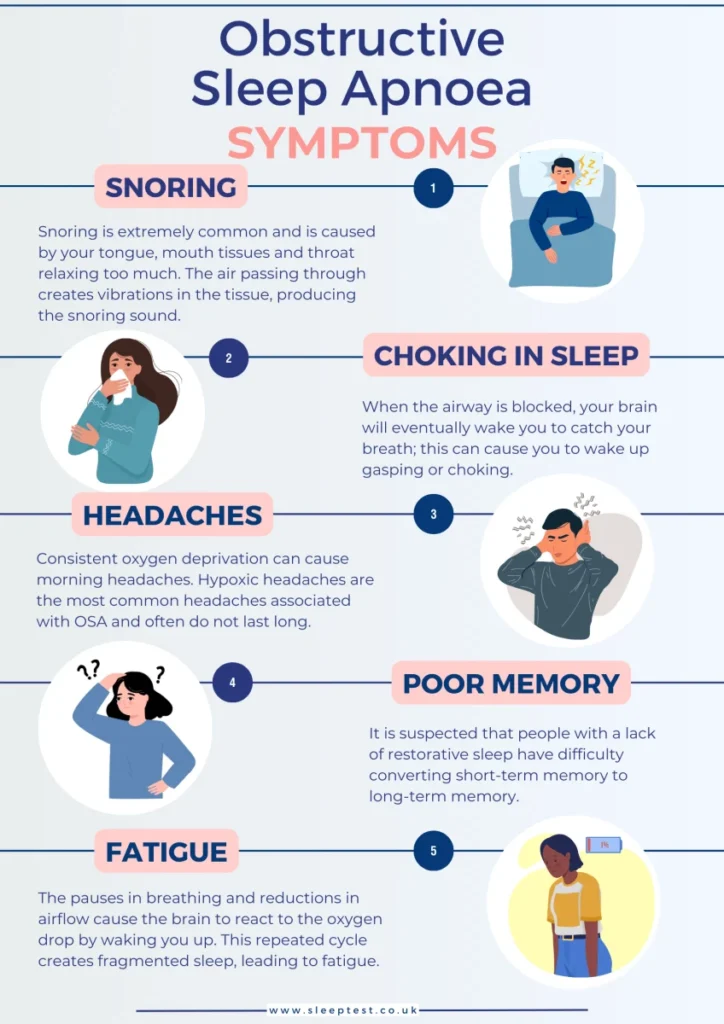
A mouthpiece may help when snoring is linked to jaw position and airway narrowing during sleep. If you suspect sleep apnea (gasping, choking, or extreme daytime sleepiness), don’t self-treat. Get evaluated.
When you start, aim for comfort over aggression. A device that’s too intense can lead to sore teeth, jaw strain, or quitting early.
3) Iterate for 7–14 nights
Give your body time to adapt. Make one change at a time, like adjusting fit (per product instructions), improving nasal breathing, or committing to side sleeping.
Decide with evidence. If snoring drops and sleep feels better, keep going. If pain or bite changes show up, stop and consult a professional.
Mistakes that ruin results (even with a good device)
Starting during peak stress
If you’re working right up to bedtime, your nervous system stays “on.” That can fragment sleep and make any snore fix feel like it failed. Build a buffer before bed when you can.
Ignoring nasal congestion
If your nose is blocked, you’ll tend to mouth-breathe. That can increase vibration and dryness. Treat congestion in a safe way and consider medical advice if it’s chronic.
Over-tightening or forcing fit
More force is not the same as more effective. Discomfort leads to clenching, poor sleep, and quitting. Comfort and consistency win.
Missing red flags
Snoring plus pauses in breathing, choking, high blood pressure concerns, or major daytime sleepiness deserves a clinical conversation. Dental sleep therapies are evolving, but they still need the right diagnosis and fit for your situation.
FAQ: Quick answers people are searching right now
Is it normal to snore more when traveling?
Yes. Dry hotel air, jet lag, alcohol, and back sleeping can all make it worse.
Do sleep trackers prove a mouthpiece works?
They can help you notice trends, but they aren’t a diagnosis. Pair data with how you feel and partner feedback.
Can mouthpieces help both partners sleep better?
Often, yes. Less noise can reduce micro-awakenings and tension, which helps the whole household.
Next step: Get a calmer, quieter baseline
If snoring is hurting your sleep quality, skip the risky shortcuts. Use a straightforward trial: consistent bedtime buffer, basic congestion support, and a mouthpiece approach you can actually stick with.
How do anti-snoring mouthpieces work?
Medical disclaimer: This article is for general education only and is not medical advice. Snoring can be a symptom of obstructive sleep apnea or other conditions. If you have choking/gasping, witnessed breathing pauses, chest pain, severe daytime sleepiness, or jaw pain with a device, seek care from a licensed clinician or dentist.