
Before you try anything for snoring, run this quick checklist:
- Track the pattern for 7 nights. Snoring “only after travel” is different from nightly snoring.
- Check your nose first. Congestion and dry winter air can change how you breathe at night.
- Notice mouth breathing. Dry mouth and morning throat irritation can be clues.
- Look for red flags. Gasping, choking, or extreme daytime sleepiness deserves medical attention.
- Pick one change at a time. Mixing gadgets, sprays, and hacks makes it hard to tell what worked.
Snoring is having a moment in the culture. Sleep trackers, “smart” rings, and travel fatigue posts keep reminding people that sleep quality affects everything. Add relationship humor (the “I love you, but your snoring…” jokes) and workplace burnout, and you get the current obsession: quieter nights with less drama.
One angle getting more attention is how breathing during sleep connects to oral health. Dry mouth, irritated gums, and morning breath can all feel worse when you sleep with your mouth open. That’s why the conversation often shifts from “How do I stop the noise?” to “How do I breathe better at night?”
Decision guide: If…then… choose your next move
If your snoring is occasional (travel, late nights, alcohol)… then start simple
If the snoring spikes after red-eye flights, hotel rooms, or a stressful week, treat it like a temporary sleep disruption. You may not need a device right away.
- Then: prioritize consistent sleep timing for a week.
- Then: try side sleeping and a supportive pillow setup.
- Then: manage nasal dryness (humidifier, hydration, and general comfort measures).
These steps won’t fix every case, but they’re low-risk and can improve sleep quality fast.
If snoring ramps up in winter… then think airflow and inflammation
Cold seasons often bring dry indoor air, congestion, and more mouth breathing. Some people also notice worse symptoms if they already have breathing-related sleep issues.
- Then: focus on nasal breathing support (comfort-first strategies, not extreme hacks).
- Then: consider whether you’re waking with a dry mouth or sore jaw.
Winter is also when “quick fixes” go viral. Be careful with anything that restricts breathing.
If you’re tempted by viral mouth-taping… then pause and safety-check
Mouth taping gets attention because it sounds simple: tape, sleep, silence. But safety depends on your ability to breathe freely through your nose and your personal health situation. Some experts have raised concerns about it being the wrong move for certain people.
If you want a deeper read, see this related coverage: How Breathing and Sleep Impact Oral Health, According to Dr. Sung Ju, DMD of Creative Smiles Dentistry.
- Then: if you have congestion, anxiety about breathing, or possible sleep apnea, skip the tape and talk with a clinician.
- Then: consider alternatives that don’t block airflow.
If snoring is frequent and relationship-impacting… then consider an anti snoring mouthpiece
If your partner is nudging you all night, you’re rotating bedrooms, or you’re waking unrefreshed, it’s reasonable to look at a device designed for snoring.
An anti snoring mouthpiece is often designed to support jaw position and help keep the airway more open during sleep. Many people shop these after reading review roundups and “best of” lists, especially as sleep gadgets trend.
- Then: choose a mouthpiece style that matches your needs (comfort, adjustability, and fit matter).
- Then: plan a short adaptation period. The first few nights can feel odd.
- Then: stop if you get sharp jaw pain, tooth pain, or bite changes.
If you’re comparing options, start here: anti snoring mouthpiece.
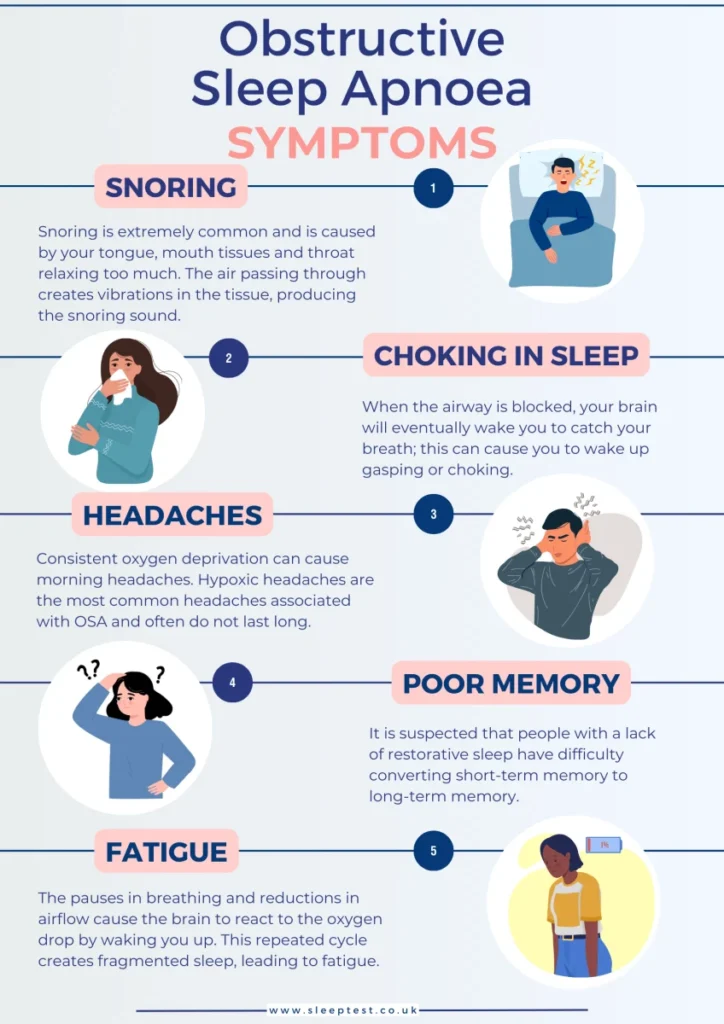
If you wake up tired, with headaches, or you’ve been told you stop breathing… then don’t DIY it
Snoring can be harmless, but it can also overlap with obstructive sleep apnea. A mouthpiece might still be part of a plan for some people, but you should get evaluated instead of guessing.
- Then: ask a clinician about sleep apnea screening or a sleep study.
- Then: bring specifics: how often, how loud, and any witnessed pauses in breathing.
What snoring does to sleep quality (beyond the noise)
Snoring doesn’t just bother the room. It can fragment sleep, increase micro-awakenings, and leave you feeling like you “slept” but didn’t recover. That’s why people chasing productivity hacks are suddenly paying attention to the unglamorous basics: breathing, routine, and a setup you can stick with.
There’s also an oral-health side to the story. Mouth breathing can leave you with a dry mouth, which may affect comfort and hygiene. If you’re waking up parched, that’s a useful signal to address airflow and habits, not only sound.
How to choose a mouthpiece without overthinking it
Fit and comfort beat “most popular”
Even a well-reviewed device fails if it sits in a drawer. Prioritize comfort, a secure fit, and materials you tolerate.
Jaw health matters
If you have TMJ symptoms, jaw clicking, or dental work concerns, consider dental guidance before using a mandibular advancement-style device.
Give it a fair trial, but set stop rules
Minor soreness can happen early on. Significant pain, numbness, or bite changes are not “power through” problems.
FAQs
Can an anti snoring mouthpiece improve sleep quality?
It can for some people, especially when snoring is linked to jaw position and airway narrowing. Results vary, and comfort matters for consistency.
Are boil-and-bite mouthpieces safe?
Many people tolerate them, but fit and jaw comfort are key. Stop using it if you get significant pain, tooth movement concerns, or TMJ flare-ups and ask a dentist.
Is mouth taping a safe snoring fix?
It’s a popular trend, but it isn’t right for everyone. If you have nasal congestion, breathing issues, or suspected sleep apnea, get medical guidance first.
What’s the difference between a mouthguard and a mandibular advancement device?
A basic guard mainly protects teeth. A mandibular advancement-style mouthpiece is designed to gently bring the lower jaw forward to reduce snoring for some sleepers.
When should I get checked for sleep apnea?
If you have loud snoring with choking/gasping, witnessed pauses in breathing, high daytime sleepiness, or high blood pressure, ask a clinician about evaluation.
Next step: pick one path and test it for 14 nights
If your snoring is mostly situational, start with routine and nasal comfort. If it’s frequent and affecting sleep quality, a mouthpiece is a practical next step. Either way, keep notes so you’re not guessing.
How do anti-snoring mouthpieces work?
Medical disclaimer: This article is for general education and is not medical advice. Snoring can be a sign of sleep apnea or other health issues. If you have breathing pauses, choking/gasping, severe daytime sleepiness, chest pain, or persistent symptoms, seek care from a qualified clinician.