
On the third night of a work trip, “Alex” did the math at 2:17 a.m.: one hotel pillow, one early meeting, and one roommate who sounded like a leaf blower. By breakfast, the jokes started. By lunch, the fatigue hit. By evening, Alex was googling snoring gadgets in the airport lounge like it was a second job.
That’s the moment many people are in right now. Snoring isn’t just a relationship punchline. It can wreck sleep quality, amplify burnout, and turn travel recovery into a multi-day fog. The good news: you have options, and an anti snoring mouthpiece is one of the more practical ones—if you use it safely and screen for bigger issues.
Overview: Why snoring is suddenly everyone’s problem
Snoring sits at the intersection of health trends and real-life stress. People are trying wearables, apps, “smart” pillows, and every hack that shows up on social feeds. Mouth taping has also gone mainstream, and it’s sparked debate because it isn’t risk-free for everyone.
At the same time, conversations about breathing, sleep, and oral health are getting louder. Dry mouth, mouth breathing, and poor sleep can stack up. If you wake up with a desert-dry mouth, sore throat, or morning headaches, your night breathing pattern matters.
If you want a broader take on this topic, see this resource on How Breathing and Sleep Impact Oral Health, According to Dr. Sung Ju, DMD of Creative Smiles Dentistry.
Timing: When a mouthpiece is worth considering (and when it’s not)
Good times to consider it
An anti-snoring mouthpiece may be worth a look if your snoring is frequent, you’re waking your partner, or your sleep score is “fine” but you feel wrecked. It’s also a common choice when travel fatigue makes you more congested and you want a packable, non-powered option.
Pause and screen first
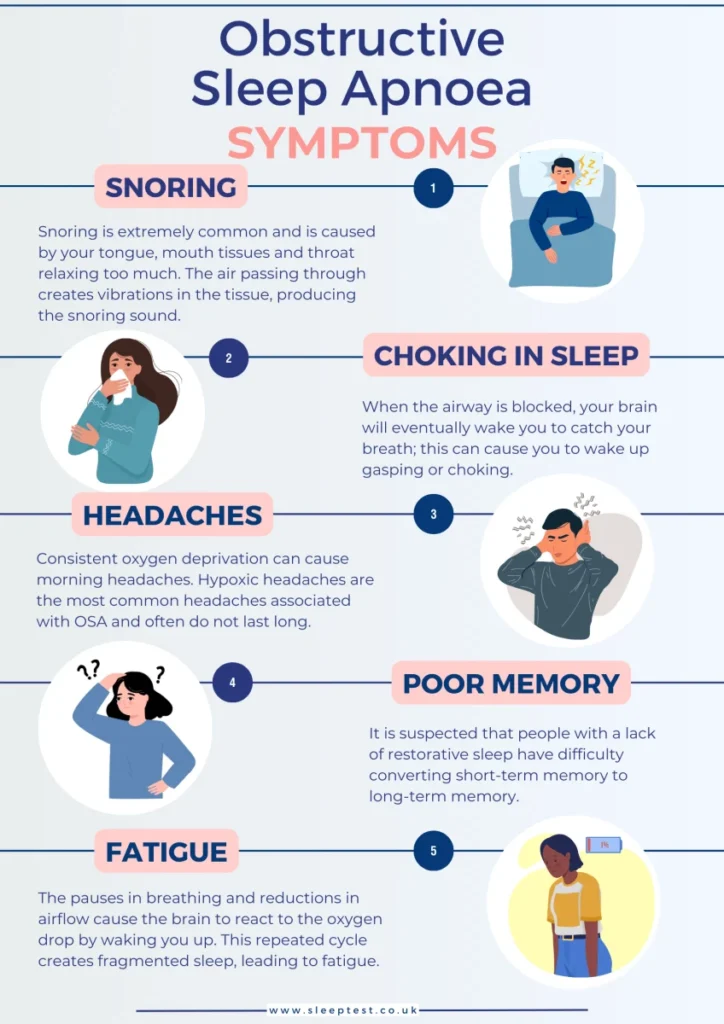
Some snoring is just snoring. Some snoring is a sign you need medical evaluation. Get screened for sleep apnea if you notice any of these:
- Breathing pauses witnessed by someone else
- Choking, gasping, or waking in a panic
- Strong daytime sleepiness, drowsy driving, or morning headaches
- High blood pressure or significant weight changes alongside worsening snoring
Also be cautious if you have significant nasal obstruction, chronic sinus issues, or you’re tempted to rely on mouth taping to “force” nasal breathing. If your nose can’t do the job, forcing the outcome can backfire.
Supplies: What you need for a safer setup
- A quality anti-snoring mouthpiece (follow the manufacturer’s fitting instructions)
- A case with ventilation for storage
- A soft toothbrush and mild cleaner intended for oral appliances
- Optional: a chin strap if mouth opening is part of your snoring pattern
- A simple tracking note (phone note works) to document comfort and results
If you’re shopping for a combined approach, here’s a relevant option: anti snoring mouthpiece.
Step-by-step (ICI): Implement, Check, Improve
This is the simplest way to reduce risk and avoid wasting weeks on a bad fit.
1) Implement: Start with the lowest-friction plan
Begin on a low-stakes night (not the eve of a big presentation). Fit the mouthpiece exactly as instructed. If it’s adjustable, start conservative rather than aggressive.
Pair it with basics that support sleep quality: side sleeping, less alcohol near bedtime, and a consistent wind-down. Those moves reduce the “stacking effect” that makes snoring louder.
2) Check: Run a 7-night reality test
Don’t judge success by one night. Track three things for a week:
- Noise: partner report or a simple snore app recording
- Sleep feel: morning alertness and midday slump
- Mouth/jaw: soreness, tooth pressure, headaches, bite changes
Documenting matters. It helps you make a clean decision instead of chasing vibes and internet comments.
3) Improve: Adjust safely, or stop if you hit red flags
If snoring improves but comfort is borderline, tweak only one variable at a time. That might mean a smaller adjustment, a different sleeping position, or adding a chin strap if mouth opening is obvious.
Stop and reassess if you develop persistent jaw pain, tooth pain, gum irritation, or you feel your bite shifting in the morning. Those are signals to pause and consider a dental consult or a different approach.
Mistakes people make (and how to avoid them)
Going “max settings” on night one
More advancement isn’t automatically better. Overdoing it can irritate the jaw and make you quit before you learn what works.
Ignoring nasal breathing and congestion
If you can’t breathe well through your nose, you’ll fight any solution. Address congestion and dryness, and consider evaluation for chronic obstruction.
Copying viral hacks without screening
Mouth taping gets attention because it’s simple. It also isn’t a universal solution. If you suspect apnea or you have nasal blockage, get advice before trying anything that could limit airflow.
Skipping cleaning and storage
Oral appliances live in a warm, wet environment. Clean them daily and store them in a ventilated case. This is basic hygiene and reduces avoidable mouth irritation.
Not telling your partner what you’re testing
Snoring is social. Set expectations for a one-week trial. It keeps the “did it work?” conversation from turning into a nightly argument at 1 a.m.
FAQ: Quick answers people want right now
Does an anti snoring mouthpiece work for everyone?
No. It often helps when jaw position contributes to airway narrowing, but not all snoring has the same cause.
Is mouth taping safer than a mouthpiece?
Not automatically. It may be inappropriate for people with nasal obstruction or possible sleep apnea. Safety depends on your breathing and risk factors.
Can snoring be a sign of sleep apnea?
Yes. Loud snoring plus gasping, witnessed pauses, or major daytime sleepiness is a strong reason to get evaluated.
Will a mouthpiece hurt my jaw?
It shouldn’t cause lasting pain. Mild adaptation is common, but persistent soreness, headaches, or bite changes mean you should stop and reassess.
What improves sleep quality besides stopping snoring?
Consistent sleep timing, less late alcohol, side sleeping, managing congestion, and reducing late-night screens are high-impact basics.
CTA: Make your next step simple
If snoring is cutting into your sleep quality, pick one approach and test it for a week with clear notes. That’s how you avoid gadget hopping and get to a real answer.
How do anti-snoring mouthpieces work?
Medical disclaimer: This article is for general education and does not replace medical or dental advice. Snoring can be a sign of obstructive sleep apnea or other conditions. If you have breathing pauses, choking/gasping, significant daytime sleepiness, chest pain, or worsening symptoms, seek evaluation from a qualified clinician.