
Is snoring “just annoying,” or is it messing with your health?
Is an anti snoring mouthpiece actually worth trying, or is it another sleep gadget trend?
What do you do when your partner is exhausted and you’re both frustrated?
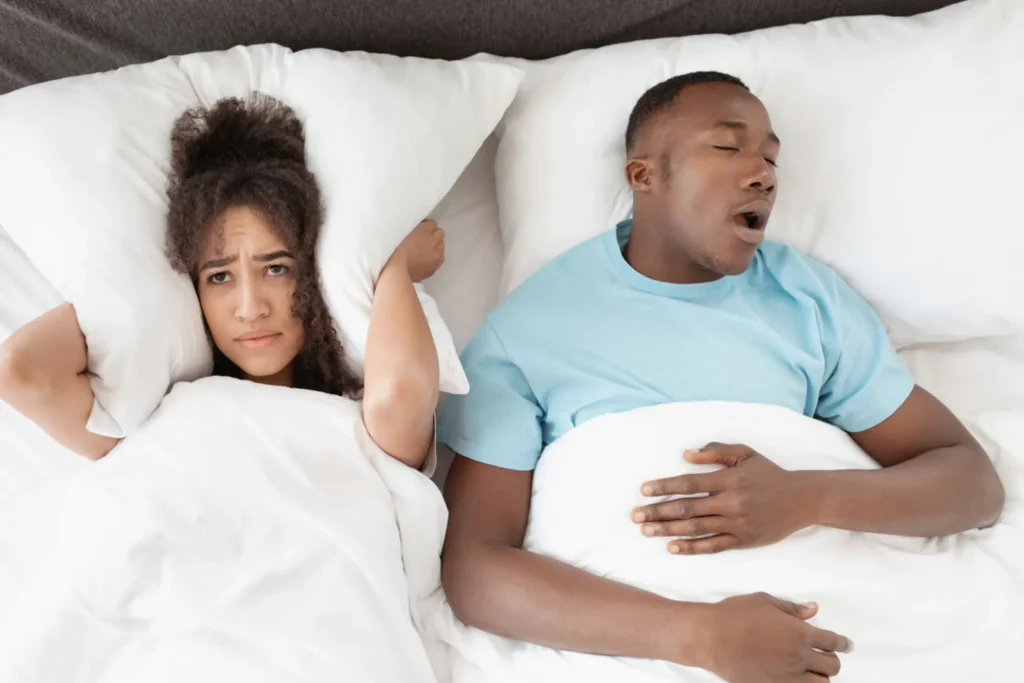
Snoring is having a cultural moment. People are testing sleep trackers, buying “best sleep” product lists, and trying viral hacks. Meanwhile, work-from-anywhere burnout and travel fatigue make bad sleep feel even worse. If your nights are loud, your mornings are foggy, and your relationship is tense, you need a clear plan.
This guide answers those three questions with a simple decision tree. No fluff. Just the next best step.
First: what snoring is doing to your sleep (and your mood)
Snoring isn’t only a sound problem. It often means airflow is getting restricted when your throat muscles relax during sleep. That can fragment sleep, even if you don’t fully wake up.
It also creates a second problem: pressure between partners. One person feels blamed. The other feels ignored. That dynamic can snowball fast when everyone is already stressed.
Decision guide: if…then… pick your next move
If your snoring is occasional (and tied to travel, alcohol, or congestion)… then start simple
If the snoring spikes after a red-eye flight, a week of late nights, or a couple of drinks, treat it like a temporary overload. Tighten the basics for a week before you buy anything complicated.
- If you’re working late: stop work earlier. A lot of sleep advice now focuses on creating a buffer between screens/stress and bed.
- If you’re stuffed up: focus on nasal comfort and bedroom air. Mouth breathing can worsen dryness and make snoring louder.
- If your partner is losing sleep: agree on a short trial plan (7–10 nights). That turns “you always…” into “let’s test this.”
If snoring is frequent and your partner complains most nights… then consider an anti snoring mouthpiece
When snoring is steady, you need a tool that changes the mechanics of airflow. A common option is a mouthpiece designed to position the jaw and reduce vibration in the airway.
Why mouthpieces are getting attention right now: they’re a tangible, non-tech fix in a world of endless apps and trackers. They also fit the “do something tonight” mindset that shows up in many recent sleep product roundups.
Practical check:
- If you can breathe through your nose comfortably: a mouthpiece may be easier to tolerate.
- If you wake with a dry mouth: reducing mouth breathing may help, but dryness has multiple causes.
- If you clench/grind: choose carefully and consider professional input, especially if you have jaw soreness.
If you’re tempted by viral hacks (like taping your mouth)… then pause and think safety first
Mouth taping has been circulating as a snoring “fix.” Some people like the idea because it feels simple. Still, experts have raised safety concerns, especially if you can’t reliably breathe through your nose.
If nasal blockage is common for you, taping can backfire. If you suspect sleep apnea, don’t self-experiment with anything that could restrict breathing. Get evaluated instead.
If snoring comes with gasping, choking, or heavy daytime sleepiness… then rule out sleep apnea
Snoring can be a symptom of obstructive sleep apnea, which is linked to broader health risks. If your partner notices breathing pauses, or you wake up panicked or short of breath, treat that as a medical flag.
For a general overview of why this matters, see this resource on How Breathing and Sleep Impact Oral Health, According to Dr. Sung Ju, DMD of Creative Smiles Dentistry.
How an anti snoring mouthpiece fits into sleep health (and oral health)
Recent conversations in dentistry and sleep health keep circling the same point: breathing patterns at night affect more than rest. Mouth breathing and disrupted sleep can contribute to dry mouth, irritation, and a “worn down” feeling the next day.
A mouthpiece doesn’t “treat everything.” It can be one piece of a broader sleep-health setup: better breathing, less vibration, fewer awakenings, and calmer nights for both people in the bed.
Quick partner script: reduce tension while you test solutions
Use a script that keeps it practical:
- Say: “I believe you. Let’s run a 10-night test.”
- Ask: “What’s the worst part for you—noise, wake-ups, or worry?”
- Agree: “If this doesn’t help, we escalate to the next option.”
That’s how you turn a nightly argument into a shared plan.
FAQ
Do anti-snoring mouthpieces work for everyone?
No. They often help when snoring comes from relaxed throat tissues or jaw position, but they may not help if another issue is driving snoring.
Is mouth taping a safe snoring fix?
It’s a trending hack, but safety depends on the person. If you have nasal congestion, breathing issues, or possible sleep apnea, talk with a clinician before trying it.
How long does it take to get used to a mouthpiece?
Many people need a short adjustment period. Mild soreness or extra saliva can happen early on and often improves as you adapt.
Can snoring be a sign of sleep apnea?
Yes. Loud, frequent snoring plus choking/gasping, witnessed breathing pauses, or daytime sleepiness can be signs worth medical evaluation.
Will a mouthpiece fix dry mouth or bad breath from snoring?
It can help if it reduces mouth breathing and vibration, but oral dryness can also come from meds, hydration, or nasal blockage. Consider oral and nasal factors together.
CTA: try a mouthpiece that’s built for real-life nights
If your snoring is frequent and you want a practical, low-drama step, consider a setup designed for stability and comfort. One option people look for is an anti snoring mouthpiece.
How do anti-snoring mouthpieces work?
Medical disclaimer: This article is for general education only and isn’t medical advice. Snoring can have multiple causes. If you suspect sleep apnea, have chest symptoms, significant daytime sleepiness, or breathing pauses during sleep, seek evaluation from a qualified clinician.