
Myth: Snoring is just a harmless “funny” habit.
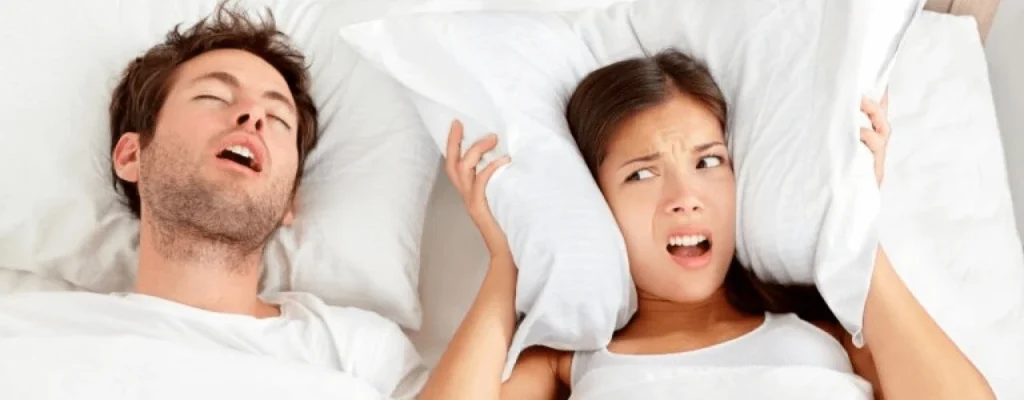
Reality: Snoring often wrecks sleep quality for two people at once. It also shows up alongside bigger sleep health issues, including sleep apnea for some people.
Right now, sleep is a full-on cultural moment. People are buying sleep gadgets, debating viral hacks, and trying to recover from travel fatigue and workplace burnout. If you’re exhausted, it’s tempting to try anything that promises silence by tonight.
This guide keeps it practical. Use the “if…then…” branches to decide whether an anti snoring mouthpiece makes sense, what to look for, and how to use it comfortably.
First: a quick reality check on snoring and sleep quality
Snoring usually happens when airflow gets restricted and soft tissues vibrate. That restriction can be influenced by sleep position, nasal congestion, alcohol, jaw position, and weight changes.
Seasonal factors can matter too. Cold air and indoor heating can dry out airways, and winter routines can change sleep patterns. If you want a general overview of that seasonal angle, see this related coverage on Why Winter Can Make Sleep Apnea Worse.
The decision tree: If…then… what to do next
If your partner says you snore “sometimes,” then start with pattern spotting
If snoring is occasional, look for triggers you can actually control. Common ones include alcohol close to bedtime, sleeping flat on your back, and late-night work that keeps your body wired.
Try a simple experiment for one week. Keep bedtime and wake time steady, and stop work a bit earlier so your brain can downshift. Many people notice their sleep feels deeper when they protect a buffer before bed.
If snoring is frequent and you wake up tired, then consider a mouthpiece as a tool
An anti-snoring mouthpiece (often a mandibular advancement style) aims to gently position the lower jaw forward. That can help keep the airway more open during sleep.
This approach is popular because it’s low-tech and travel-friendly. It also fits the current “sleep gadget” trend without requiring batteries, apps, or subscriptions.
If you want to compare types, materials, and fit styles, browse anti snoring mouthpiece.
If you’re tempted by viral hacks (like mouth taping), then slow down and think safety
Social feeds love dramatic before-and-after stories. Mouth taping, for example, is widely discussed, but it isn’t automatically safe for everyone.
If you get congested, have allergies, suspect sleep apnea, or feel panicky when airflow changes, don’t treat a trend as a substitute for medical advice. Safer first steps usually focus on proven basics: sleep position, nasal breathing support, and an appropriately fitted device.
If winter makes your snoring worse, then focus on airway comfort
Dry indoor air can make your throat feel scratchy. Congestion can also push you toward mouth breathing, which may make snoring louder.
In that case, “comfort upgrades” matter as much as the device. Think hydration, humidity, and a mouthpiece that doesn’t feel bulky. The best tool is the one you’ll actually keep in overnight.
If you travel a lot and feel wrecked, then optimize for portability and routine
Travel fatigue can turn anyone into a snorer. Different pillows, alcohol at dinner, and sleeping on your back in a hotel bed all add up.
Pick a setup you can repeat: a consistent wind-down, a small case for your mouthpiece, and a quick cleaning routine. Consistency beats “perfect” every time when you’re crossing time zones.
If you have jaw pain, dental issues, or braces, then get input before you buy
Comfort isn’t a luxury here. A poor fit can irritate gums, shift pressure points, or worsen jaw soreness.
If you have TMJ symptoms, loose dental work, or ongoing dental pain, ask a dentist or clinician what’s appropriate. That quick check can save you money and discomfort.
If you notice red flags, then prioritize a sleep evaluation
Snoring can be part of obstructive sleep apnea for some people. Don’t self-manage serious symptoms with gadgets alone.
Get evaluated if you have loud snoring plus choking/gasping, witnessed breathing pauses, morning headaches, or strong daytime sleepiness. If your work burnout feels extreme, sleep-disordered breathing can be one of several contributors worth ruling out.
How to make an anti-snoring mouthpiece more comfortable (ICI basics)
Think in three buckets: ICI = Initial fit, Comfort, and Integration into your routine.
Initial fit: make the seal and shape work for you
Follow the fitting instructions exactly. If it’s moldable, take your time so it captures your bite without feeling overly tight.
A mouthpiece should feel secure, not painful. If you’re clenching or fighting it, the fit is off or the style isn’t right for your mouth.
Comfort: small adjustments beat brute force
Many people do better when they ramp up gradually. Wear it for short periods while winding down, then sleep with it.
If you wake up sore, don’t ignore that signal. Re-check fit, reduce advancement if adjustable, and consider a different design if bulk is the issue.
Integration: positioning + cleanup so you stick with it
Positioning: If you’re a back sleeper, side sleeping can reduce snoring for some people. A supportive pillow can help you stay there.
Cleanup: Rinse after use, brush gently with mild soap, and air-dry completely. Store it dry in a ventilated case so it doesn’t pick up odors.
FAQ: quick answers people want right now
Do anti-snoring mouthpieces stop snoring completely?
They can reduce snoring for many people, especially when snoring is related to jaw position and airway narrowing. Results vary by anatomy, sleep position, and consistency of use.
Is mouth taping a safe alternative to a mouthpiece?
It’s a popular trend, but it isn’t a universal or risk-free fix. If you have nasal congestion, reflux, or possible sleep apnea, talk with a clinician before trying it.
How long does it take to get used to a mouthpiece?
Many people adapt in a few nights to a couple of weeks. Starting with short wear periods and focusing on comfort and fit can help.
What’s the difference between boil-and-bite and custom mouthpieces?
Boil-and-bite models are molded at home and cost less. Custom options are made to your mouth and may feel more precise, but typically cost more.
When should snoring be checked for sleep apnea?
If you have loud snoring plus choking/gasping, witnessed breathing pauses, significant daytime sleepiness, or high blood pressure, get evaluated. Those can be signs of sleep apnea.
CTA: pick your next step (and protect your sleep)
Snoring isn’t just a punchline. It’s often a signal that your sleep setup needs an upgrade, especially when stress and schedule creep keep pushing bedtime later.
If your symptoms are mild-to-moderate and you want a travel-friendly option, an anti-snoring mouthpiece may be a reasonable next move.
How do anti-snoring mouthpieces work?
Medical disclaimer: This article is for general education only and is not medical advice. Snoring can have many causes, including obstructive sleep apnea. If you have breathing pauses during sleep, chest pain, severe daytime sleepiness, or persistent symptoms, seek evaluation from a qualified healthcare professional.