
Myth: Snoring is just annoying background noise.
Reality: Snoring can wreck sleep quality, strain relationships, and sometimes point to a bigger sleep-breathing problem. That’s why it keeps popping up in conversations about burnout, travel fatigue, and the latest sleep gadgets.
If you’re trying to protect your sleep (and your partner’s patience), an anti snoring mouthpiece may be worth a look. Below is what people are talking about right now, what matters medically, and a practical at-home plan.
What people are trying lately (and why it’s trending)
Snoring talk is everywhere because sleep is everywhere. People track it with apps, buy wearables, and debate “quick fixes” after a rough workweek or a red-eye flight.
Some trends are relationship-driven too. Many couples joke about “sleep divorce” (separate bedrooms) as a peacekeeping move. Even when the snoring improves, the habit of sleeping apart can stick because everyone finally got rest.
Three themes showing up in snoring conversations
- Sleep gadgets are mainstream. From smart rings to white-noise machines, people want measurable progress.
- Mouth taping is getting attention. It’s often framed as a simple hack, but safety depends on the person and the cause of snoring.
- Dental sleep therapies are in the spotlight. Dental approaches for sleep-disordered breathing are being discussed more widely, including in professional dental circles. See The Blind Spot: When the snoring stops (but you still sleep apart).
What actually matters for sleep health (not just noise)
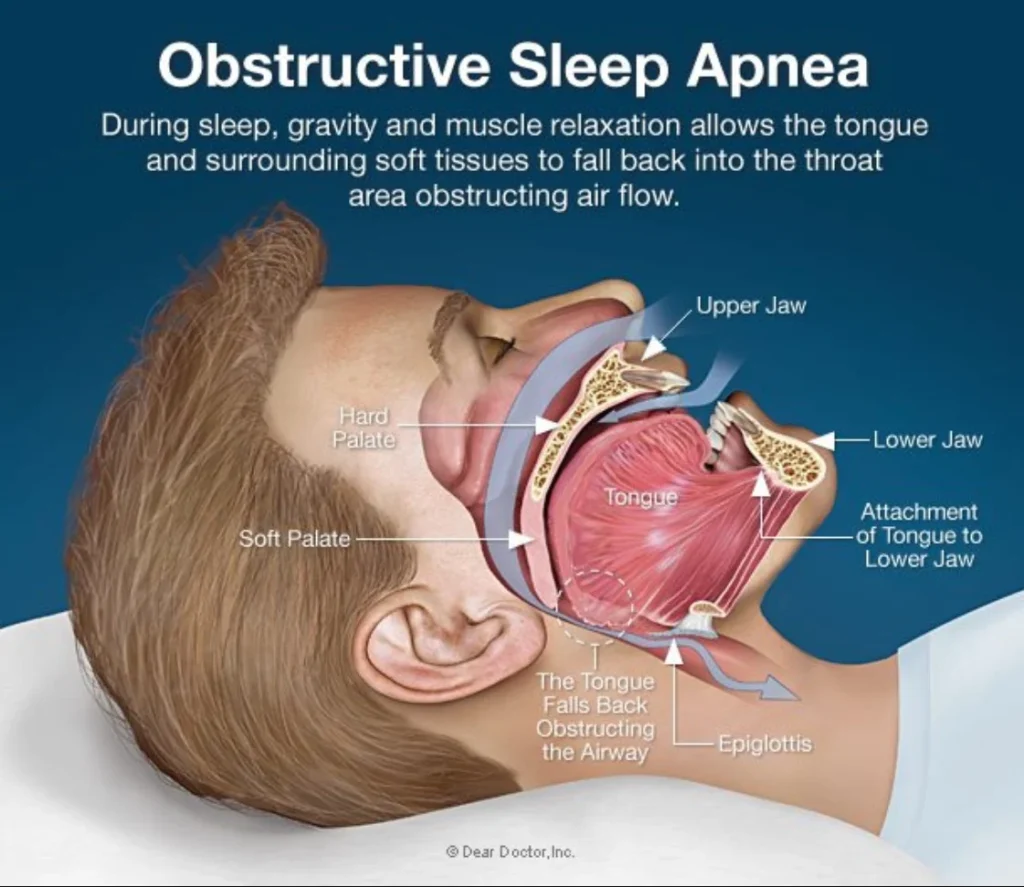
Snoring happens when airflow is partially blocked and soft tissues vibrate. That blockage can come from nose congestion, throat anatomy, sleep position, alcohol, or jaw and tongue position.
Here’s the key: snoring and sleep quality are linked. Even if you don’t fully wake up, fragmented sleep can leave you foggy, irritable, and more sensitive to stress.
Snoring vs. sleep apnea: the “don’t ignore this” line
Snoring isn’t automatically sleep apnea. Still, snoring plus symptoms can be a red flag. Pay attention if you notice choking or gasping, witnessed breathing pauses, morning headaches, high blood pressure, or heavy daytime sleepiness.
Snoring can also overlap with heart health discussions because untreated sleep-disordered breathing may affect cardiovascular strain over time. If the snoring feels “bigger than a nuisance,” it’s worth a real evaluation.
What you can try at home this week (simple, low-drama)
If your goal is quieter nights without turning bedtime into a fight, focus on changes that are easy to test and easy to stop if they don’t help.
1) Run a two-minute “pattern check”
- When is it worst? After alcohol, during allergies, after travel, or on your back?
- Who notices it? Partner feedback matters, but so does how you feel in the morning.
- Any daytime fallout? Irritability, naps, or trouble focusing can signal poor sleep quality.
2) Reduce the most common triggers
- Side-sleeping: Many people snore more on their back. A body pillow can help you stay positioned.
- Alcohol timing: Alcohol close to bedtime can relax airway muscles and worsen snoring.
- Nasal breathing support: If congestion is part of the story, consider gentle, non-medicated supports like a humidifier or saline rinse (as appropriate for you).
3) Consider an anti snoring mouthpiece (the “mechanical” approach)
An anti snoring mouthpiece is designed to improve airflow by changing jaw or tongue position during sleep. For many people, that’s appealing because it’s not a chemical solution and doesn’t rely on willpower at 2 a.m.
If you’re comparing products, start with comfort and fit. A poor fit can lead to soreness, drooling, or inconsistent use, which defeats the point.
To explore options, see anti snoring mouthpiece.
4) Be cautious with “viral hacks”
Mouth taping gets framed as a simple way to force nasal breathing. For some people, it may be uncomfortable or unsafe, especially if you have nasal obstruction or possible sleep apnea. If you’re tempted by this trend, talk with a clinician first.
When it’s time to stop experimenting and get help
Home trials are fine for mild, occasional snoring. Don’t keep guessing if your sleep (or your relationship) is taking a hit.
Make an appointment if you notice:
- Breathing pauses, choking, or gasping during sleep
- Excessive daytime sleepiness or drowsy driving risk
- Morning headaches or waking with a racing heart
- High blood pressure or heart concerns
- Jaw pain, dental pain, or TMJ symptoms with any mouthpiece
A dentist or sleep clinician can help you sort out whether a dental device is appropriate, whether you need a sleep study, and what options fit your anatomy and symptoms.
FAQ: quick answers for couples who just want sleep
Do anti-snoring mouthpieces work for everyone?
No. They can help when jaw or tongue position contributes to snoring, but other causes may need different solutions.
Is snoring always a sign of sleep apnea?
Not always. Still, loud and frequent snoring with breathing symptoms or daytime fatigue should be evaluated.
Is mouth taping a safe snoring fix?
It depends. If you can’t breathe well through your nose or may have sleep apnea, it can be risky. Ask a clinician before trying it.
How long does it take to adjust to a mouthpiece?
Some people adjust quickly, while others need a short break-in period. If pain persists, stop and get advice.
Next step: make bedtime less tense
Snoring isn’t just a “you” problem or a “them” problem. It’s a shared sleep problem. A calm plan—and a tool that fits—can lower the nightly stress and bring you back to the same bedroom.
How do anti-snoring mouthpieces work?
Medical disclaimer: This article is for general education and is not medical advice. It does not diagnose or treat any condition. If you have symptoms of sleep apnea, significant daytime sleepiness, chest pain, or concerns about heart health, seek evaluation from a qualified healthcare professional.