
Before you try another snoring fix tonight, run this checklist:
- Confirm the pattern: Is it every night, or worse after alcohol, travel, or stress?
- Check the “crowded airway” triggers: back sleeping, nasal congestion, weight changes, winter dryness.
- Decide what you’re solving: noise for your partner, your own sleep quality, or both.
- Pick one tool to test: not five at once. You need clean feedback.
- Know the red flags: gasping, choking, pauses in breathing, or heavy daytime sleepiness.
The big picture: why snoring is trending again
Sleep content is everywhere right now. People are swapping “one simple tip” stories, buying wearable trackers, and trying new bedside gadgets. You can also feel a bigger cultural push: burnout at work, travel fatigue, and the very real pressure to show up rested.
Snoring sits right in the middle of that. It’s a sleep-quality problem, a relationship problem, and sometimes a health problem. The hard part is that the loudest solution isn’t always the safest one.
If you’ve been scrolling for a The super simple sleep tip every doctor has told me to try just fixed my morning fatigue, here’s how, you’re not alone. Quick wins are appealing. Still, snoring usually needs a targeted approach.
The human side: snoring isn’t just noise
Snoring creates a weird kind of tension. One person feels blamed. The other feels stuck listening to a chainsaw at 2 a.m. Add separate bedrooms, and you get the “we’re fine, we just don’t sleep together” dynamic that shows up in a lot of relationship talk lately.
It can also mess with your own confidence. People joke about it on trips, in hotel rooms, and during shared rentals. Humor helps, but it doesn’t fix fragmented sleep.
Here’s the clean way to frame it: you’re not trying to “win” against snoring. You’re trying to protect sleep quality for two people.
Practical steps: a simple testing plan that beats guesswork
Step 1: Identify your most likely snoring pattern
Most snoring tests come down to three buckets:
- Position-driven: louder on your back, quieter on your side.
- Nose-driven: worse with congestion, allergies, or dry winter air.
- Mouth/jaw-driven: mouth falls open, jaw relaxes back, vibration increases.
You don’t need perfect data. A partner’s notes or a basic recording app for a few nights can be enough to spot the pattern.
Step 2: Use “ICI” basics before you buy anything
Think ICI: Inflammation, Comfort, and Intake.
- Inflammation: nasal stuffiness and irritated tissues make airflow rougher.
- Comfort: pillows, neck angle, and sleep position matter more than most people expect.
- Intake: alcohol close to bedtime and heavy late meals can worsen snoring for some people.
These aren’t magic tricks. They’re baseline controls so you can judge whether a device helps.
Step 3: If you suspect jaw position, consider an anti snoring mouthpiece
An anti snoring mouthpiece is popular because it’s a direct mechanical approach. Many designs aim to keep the lower jaw from dropping back, which can reduce airway narrowing in some people.
Look for a plan that emphasizes fit, comfort, and repeatable testing. If you want a starting point for comparison shopping, see anti snoring mouthpiece.
Step 4: Run a two-week “one change” experiment
Try not to stack interventions. A clean test looks like this:
- Nights 1–3: focus on comfort and positioning (side sleep support, pillow setup).
- Nights 4–14: add one tool (like a mouthpiece) and keep other habits stable.
Track two outcomes: partner-reported noise and your morning feel (dry mouth, headaches, grogginess). Keep it simple.
Safety and reality checks: mouth taping, winter factors, and when to stop
Mouth taping is trending, but it’s not a casual DIY for everyone
Mouth taping shows up in sleep gadget conversations because people associate it with nasal breathing. At the same time, safety questions come up for a reason. If your nose isn’t reliably clear, taping can feel uncomfortable or risky.
If you’re curious, treat it like a topic to discuss with a clinician, especially if you have breathing issues at night. Don’t force it.
Winter can change your sleep (and your snoring)
Cold, dry air and seasonal congestion can push more people into mouth breathing. That can make snoring more noticeable. Travel also plays a role because hotel rooms often dry you out, and fatigue changes sleep depth and position.
Adjust expectations when seasons change. If your snoring spikes in winter, focus on airway comfort and consistency before you assume the device failed.
Testing rules: what “normal adjustment” looks like
- Okay at first: mild jaw awareness, extra saliva, learning curve with sleeping position.
- Not okay: sharp pain, ongoing jaw soreness, tooth pain, or bite changes that persist.
If you hit the “not okay” list, stop and get professional guidance.
Red flags that deserve medical evaluation
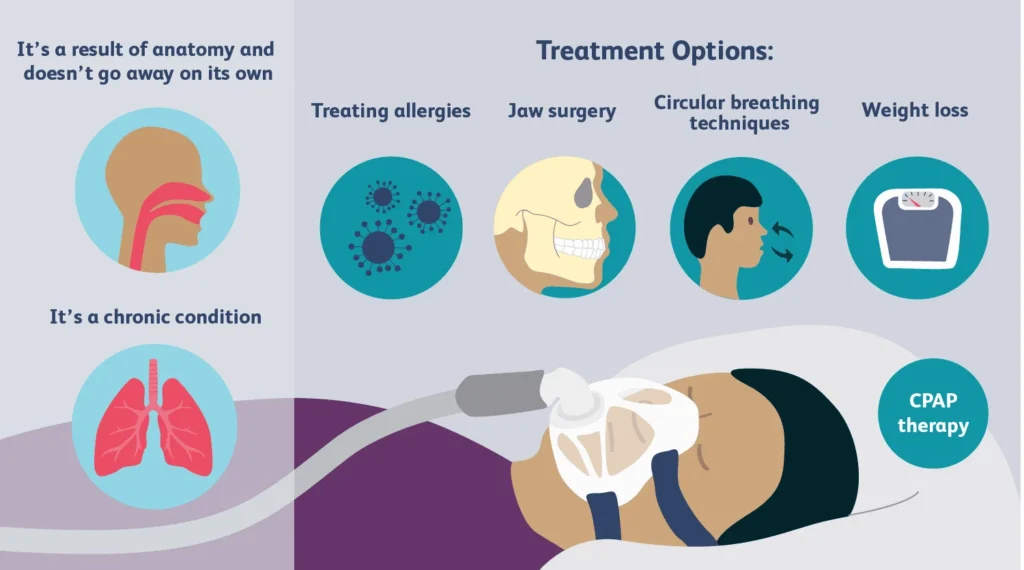
Snoring can be harmless, but it can also overlap with obstructive sleep apnea. Get checked if you notice choking/gasping, witnessed breathing pauses, or severe daytime sleepiness. Don’t self-treat those signs with gadgets alone.
FAQ: fast answers people keep asking
Can an anti snoring mouthpiece improve sleep quality?
It can for some people, especially when snoring is linked to jaw position and mouth opening. Better sleep quality often shows up as fewer awakenings and better morning energy.
What if my partner says the snoring stopped, but we still sleep apart?
That’s common. Rebuilding “shared sleep” can take time because light sleepers stay on alert. Start with a few nights a week and keep the bedroom routine calm and predictable.
Do I need a sleep tracker to know if it’s working?
No. Trackers can help you notice patterns, but your symptoms and your partner’s feedback are usually enough for a basic test.
CTA: keep it simple and start with one tool
If snoring is hurting sleep quality, don’t chase every trend at once. Pick one approach, test it cleanly, and prioritize comfort so you’ll actually stick with it.
How do anti-snoring mouthpieces work?
Medical disclaimer: This article is for general education only and is not medical advice. Snoring can be a symptom of a medical condition (including sleep apnea). If you have choking/gasping, breathing pauses, chest pain, severe daytime sleepiness, or persistent symptoms, seek evaluation from a qualified clinician.