
Is your snoring getting louder—or just more annoying?
Are you waking up tired even after a “full” night?
Do you want a practical fix at home without buying five sleep gadgets?
Yes, snoring is having a moment. Between sleep trackers, “simple tips” making the rounds, and viral debates about mouth taping, it’s easy to waste a week chasing trends. This guide keeps it simple. You’ll use a quick “if…then…” decision path to choose an anti snoring mouthpiece (or decide it’s not your best first step) while protecting sleep quality and sleep health.
Why everyone is talking about snoring again
Sleep is now a mainstream performance topic. People compare readiness scores, pack sleep gadgets for work trips, and joke about “sleep divorce” when snoring pushes couples into separate rooms. At the same time, workplace burnout and travel fatigue make mornings feel rough, so anything that promises better rest gets attention.
Some advice really is simple—think basics like consistent schedules and reducing late-night disruptions. Other ideas, like restricting mouth breathing with tape, are more controversial and deserve caution. If your goal is a budget-friendly, repeatable plan, start with the most likely mechanical fix for common snoring patterns.
The no-waste decision guide: If…then choose your next move
Use these branches like a checklist. Pick the one that sounds most like your situation.
If your snoring is worst on your back, then consider a mouthpiece first
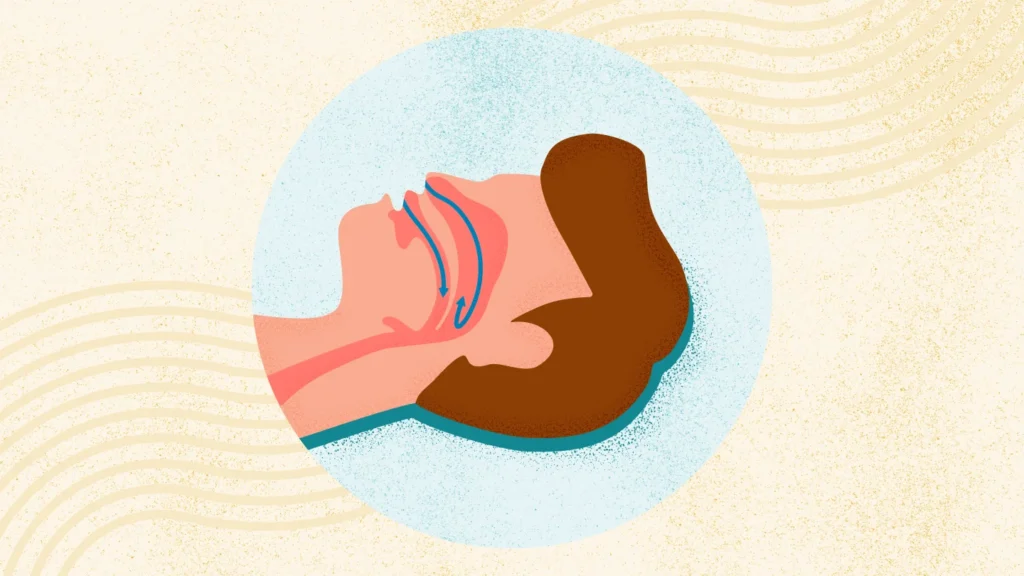
Back-sleeping often lets the jaw and tongue drift in ways that narrow the airway. That’s where an anti-snoring mouthpiece may help. It’s a practical step because it targets positioning, not just sound.
If you want a streamlined option, look at an anti snoring mouthpiece. A combo approach can be appealing when mouth opening is part of the problem.
If you wake with a dry mouth, then check mouth-breathing triggers (before chasing a trend)
Dry mouth can mean you’re sleeping with your mouth open. Sometimes that’s habit. Sometimes it’s because your nose feels blocked at night.
You’ve probably seen mouth taping discussed as a snoring fix. It’s also been questioned publicly for safety in certain situations. If you’re curious, read up using a credible source like The super simple sleep tip every doctor has told me to try just fixed my morning fatigue, here’s how.
Bottom line: if nasal breathing isn’t consistently easy for you, don’t force it at night. A mouthpiece that supports jaw position may be a more practical first try than a restrictive hack.
If snoring started with travel, stress, or burnout, then stabilize the basics for 7 nights
Hotel pillows, late dinners, alcohol on work trips, and irregular bedtimes can all stack the deck against sleep quality. Before you spend more money, run a one-week reset:
- Keep bed and wake times as consistent as your schedule allows.
- Avoid alcohol close to bedtime.
- Try side-sleeping support (pillow placement can help).
If snoring stays loud after that, a mouthpiece becomes a more meaningful test because you’ve reduced the “noise” from temporary factors.
If your partner says you stop breathing, then skip DIY and get evaluated
Relationship humor aside, pauses in breathing, choking/gasping, or extreme daytime sleepiness are not a “try a gadget” situation. Those signs can point to sleep apnea or another condition that needs professional assessment.
A mouthpiece might still be part of a plan later, but your first move should be a clinician conversation or a sleep evaluation.
How to shop smart for an anti snoring mouthpiece (without overpaying)
Focus on fit, comfort, and realistic expectations. You’re looking for a device you can actually wear, not a miracle you dread at bedtime.
Look for adjustability and a clear fitting process
Many mouthpieces use a boil-and-bite style fit or another molding approach. A good fit matters because discomfort is the #1 reason people quit early.
Expect an adaptation period
Give it several nights. Some people need a couple of weeks to feel normal sleeping with a mouthpiece. If pain persists or your bite feels “off” in the morning for long periods, stop and talk with a dentist or clinician.
Don’t stack too many experiments at once
It’s tempting to add a tracker, a new pillow, nasal strips, a humidifier, and a mouthpiece in the same week. Then you won’t know what helped. Change one variable, track results, and keep the rest steady.
FAQ: quick answers people want right now
Do anti-snoring mouthpieces work for everyone?
No. They’re most promising when jaw/tongue positioning is a key contributor.
How long should I test a mouthpiece?
If it’s comfortable and safe for you, a couple of weeks is a reasonable trial window to judge sleep quality and partner-reported snoring.
Is mouth taping a good idea?
It’s widely discussed, but it’s not for everyone. If nasal breathing isn’t reliably clear, avoid it and ask a professional.
Can a chin strap replace a mouthpiece?
Sometimes it helps with mouth opening, but it doesn’t reposition the jaw the same way a mouthpiece does.
CTA: pick one step you can actually stick with
If you want a practical, home-based option that targets common snoring mechanics, start with a mouthpiece plan you can maintain. The goal is fewer disrupted nights, not a drawer full of abandoned sleep gadgets.
How do anti-snoring mouthpieces work?
Medical disclaimer: This article is for general education only and is not medical advice. Snoring can have many causes, including sleep apnea. If you have breathing pauses, choking/gasping, significant daytime sleepiness, chest pain, or other concerning symptoms, seek evaluation from a qualified healthcare professional.