
On a recent work trip, “Lena” finally slept through the night—no elbow nudges, no midnight negotiations. The twist? Her partner still stayed on the other side of the bed, out of habit. The snoring had eased, but the sleep routine stayed split.
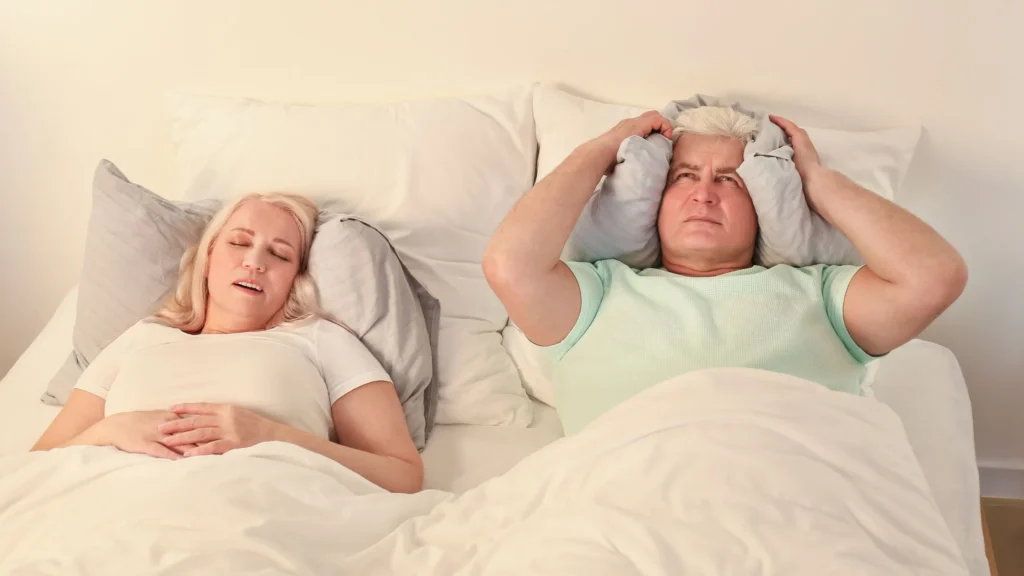
That little relationship comedy is showing up everywhere right now. People are buying sleep gadgets, tracking scores, and joking about “sleep divorces.” At the same time, burnout and travel fatigue make every lost hour feel expensive.
Overview: why snoring messes with sleep quality (even if you’re not the snorer)
Snoring isn’t just a sound problem. It can fragment sleep for the person next to you and reduce overall sleep quality for both of you. Even when you don’t fully wake up, micro-arousals can leave you groggy and short-tempered.
Sometimes snoring is “simple snoring.” Other times it’s connected to obstructive sleep apnea (OSA). If you notice choking, gasping, witnessed breathing pauses, or major daytime sleepiness, treat that as a medical flag.
For many people, a well-fit anti snoring mouthpiece is a practical middle step: less expensive than a pile of gadgets, less disruptive than sleeping apart, and often faster to test than a long checklist of lifestyle changes.
Timing: when it’s smart to try a mouthpiece (and when it’s not)
Good timing
Consider a mouthpiece when snoring is frequent, your partner is losing sleep, and you want a budget-friendly trial that doesn’t require a full bedroom overhaul. It’s also a common choice after travel weeks, when congestion and exhaustion stack up and you want a consistent plan.
Press pause and get checked
Don’t “DIY your way” through red flags. If you have high blood pressure, morning headaches, severe daytime sleepiness, or witnessed breathing pauses, ask a clinician about sleep apnea testing. A mouthpiece can still be part of the solution, but the right path depends on the cause.
Supplies: what you need (and what you can skip)
- A reputable mouthpiece: Look for clear fit instructions, return policies, and realistic claims. Browse anti snoring mouthpiece to compare styles.
- Basic cleaning setup: Soft toothbrush, mild soap, and a ventilated case.
- A simple tracking note: One minute each morning: snoring volume (1–5), dryness, jaw comfort, and how you feel by lunch.
What to skip at first: complicated stacks of “sleep hacks” that make you quit after three nights. Start with one change you can stick with.
Step-by-step (ICI): a practical mouthpiece plan that doesn’t waste a cycle
I = Identify your likely snoring pattern
Before you buy, do a quick reality check. Is snoring worse on your back? Worse after alcohol? Worse during allergy season? These clues matter because mouthpieces tend to help most when jaw/tongue position contributes to airway narrowing.
If you’re tempted by viral trends like taping your mouth shut, slow down. Safety depends on your situation, especially nasal airflow and apnea risk. If you want a starting point for what experts caution about, read The Blind Spot: When the snoring stops (but you still sleep apart).
C = Choose a mouthpiece style you can actually tolerate
Most anti-snoring mouthpieces fall into two buckets:
- Mandibular advancement devices (MADs): Gently move the lower jaw forward to reduce airway collapse.
- Tongue-retaining devices (TRDs): Hold the tongue forward using suction.
Budget lens: pick the option you’re most likely to wear for two full weeks. The “best” device on paper is useless in a drawer.
I = Implement with a slow, low-drama ramp-up
- Night 1–2: Wear it for short periods before sleep to get used to the feel. Stop if you have sharp pain.
- Night 3–7: Use it through the night. Expect extra saliva or mild dryness early on.
- Week 2: Adjust fit only if the device is designed for it. Small changes beat big jumps.
- End of week 2: Compare your notes. Look at energy, mood, and partner reports—not just snore volume.
If you’re in the “snoring stopped but we still sleep apart” stage, add one more step: rebuild the routine. Pick two nights a week to share the bed again and keep it light. The goal is consistency, not perfection.
Mistakes that make people quit (and how to avoid them)
Buying based on hype instead of fit
Sleep products are having a moment. Reviews can help, but comfort and adjustability drive real-world results. Choose a device with clear sizing guidance and a reasonable trial window.
Cranking the jaw forward too fast
More advancement isn’t always better. Too much, too soon can trigger jaw soreness and headaches. Gradual changes protect adherence.
Ignoring dental and jaw feedback
Jaw pain, tooth discomfort, or bite changes are signals, not “normal.” Stop and reassess if symptoms persist.
Missing the bigger sleep-health picture
A mouthpiece can reduce snoring, but sleep quality also depends on basics: regular sleep timing, limiting late alcohol, and managing nasal congestion when possible. Keep it simple and repeatable—especially during stressful work stretches.
FAQ: quick answers people are asking right now
Do anti-snoring mouthpieces work for everyone?
No. They tend to help when snoring is related to airway narrowing from jaw/tongue position. Some snoring has other drivers.
What if my partner says the snoring is better, but I still feel tired?
Track daytime sleepiness and consider an evaluation for sleep apnea or other sleep issues. Quiet nights don’t always equal restorative sleep.
Is it okay to use a mouthpiece every night?
Many people do, as long as it fits well and doesn’t cause ongoing pain or dental changes. Regular cleaning matters.
CTA: make your next step the easy one
If you want a practical way to test whether jaw positioning helps your snoring, start by comparing mouthpiece types and comfort features. See anti snoring mouthpiece and choose one you can commit to for two weeks.
How do anti-snoring mouthpieces work?
Medical disclaimer: This article is for general education and does not diagnose, treat, or replace medical advice. If you suspect sleep apnea or have persistent symptoms (gasping, breathing pauses, severe daytime sleepiness, jaw pain, or dental issues), consult a qualified clinician or dental professional.