
Snoring has turned into a group project. Your partner has opinions, your smartwatch has charts, and your feed has a new “must-try” sleep gadget every week.
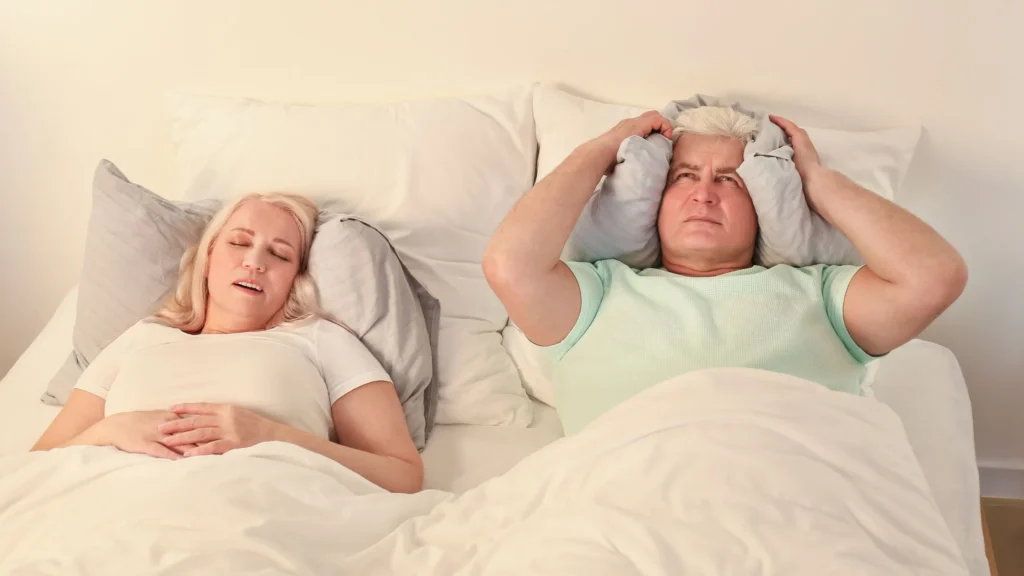
Meanwhile, travel fatigue, winter dryness, and workplace burnout keep pushing bedtime later. The result is the same: you’re in bed, but you’re not recovering.
If you want a budget-friendly starting point, focus on sleep quality first, then test an anti snoring mouthpiece with a simple, trackable plan.
What people are buzzing about right now (and why)
Sleep health is having a moment. Not just because of new devices, but because everyone’s tired and looking for something that actually sticks.
1) “Tiny fixes” for the airway
One theme in recent coverage is that small changes can matter for breathing at night. For kids, some reporting has pointed to saline nasal care as a potentially helpful, low-risk step in certain sleep-related breathing problems.
If you want to read the general coverage, see this related headline: Intranasal Saline Effective Against Kids’ Sleep Apnea.
2) Winter sleep: congestion and dry air
Cold months can stack the deck against your nose. Dry indoor air and seasonal congestion can push more mouth breathing, which often makes snoring louder and more frequent.
That’s why a “snoring plan” that ignores nasal comfort can fail, even if the mouthpiece is decent.
3) Mouthpieces are getting reviewed like tech products
Mandibular advancement devices (MADs) and mouthguards are being reviewed everywhere, sometimes with a “is it legit?” vibe. That’s useful culturally, but it can also lead to impulse buys.
A better approach: decide if your snoring pattern sounds like something a mouthpiece can plausibly help, then test it with a short checklist.
What matters medically (in plain language)
Snoring happens when airflow vibrates relaxed tissues in the upper airway. It can be occasional. It can also be a sign that your breathing is partially blocked.
Snoring that mainly annoys vs snoring that raises flags
Snoring can wreck sleep quality even without sleep apnea. Your sleep fragments. Your partner wakes you up. You wake up without remembering it.
Still, certain patterns deserve more caution. If there are pauses in breathing, choking/gasping, or major daytime sleepiness, treat it as a health issue—not a “noise issue.”
Where an anti snoring mouthpiece fits
An anti snoring mouthpiece usually works by guiding the lower jaw slightly forward. That can help keep the airway more open for some people, especially when snoring is worse on the back or after alcohol.
It’s not a cure-all. It won’t fix every cause (like severe nasal blockage, enlarged tonsils, or certain jaw/TMJ issues). But it’s often a reasonable at-home trial when used carefully.
Medical note: This article is for education only and doesn’t diagnose, treat, or replace medical advice. If you suspect sleep apnea or have significant symptoms, talk with a qualified clinician.
How to try this at home (without wasting a cycle)
Think of this like a two-week experiment. You’re not “committing forever.” You’re collecting data and protecting your sleep.
Step 1: Do a quick snoring reality check
- Track 3 nights before changing anything (snoring app, wearable notes, or partner notes).
- Write down triggers: back sleeping, alcohol, late meals, congestion, stress.
- Pick one goal: fewer awakenings, less partner disruption, or better morning energy.
Step 2: Reduce “easy” airway friction first
This is the unsexy part that saves money. If your nose is blocked, a mouthpiece may not feel tolerable.
- Support nasal breathing (humidity, gentle saline rinse/spray if appropriate for you).
- Avoid heavy alcohol close to bedtime if you notice it worsens snoring.
- Try side-sleeping aids if you’re a back snorer.
Step 3: Trial a mouthpiece with comfort in mind
Fit and comfort decide whether you’ll actually use it at 2:00 a.m. If you’re considering a combined approach, you can review an anti snoring mouthpiece option and compare it to mouthpiece-only setups.
During the first week, prioritize: no sharp pain, no worsening headaches, and no “I can’t fall asleep with this” frustration.
Step 4: Use a simple scorecard
- Partner score (0–10): how disruptive was the snoring?
- Morning score (0–10): energy and head clarity.
- Comfort score (0–10): jaw soreness, drooling, dry mouth.
If the mouthpiece lowers the partner score but tanks comfort, it’s not a win yet. Adjust, switch styles, or stop.
When to stop DIY and get help
Home trials are fine for mild, situational snoring. Don’t DIY your way through red flags.
Get evaluated soon if you notice:
- Witnessed pauses in breathing, choking, or gasping
- High daytime sleepiness, drowsy driving risk, or brain fog that’s worsening
- Morning headaches, high blood pressure concerns, or mood changes
- Snoring plus significant insomnia (you’re in bed, but never restored)
Also pause if the mouthpiece causes:
- Jaw pain that doesn’t fade after an adjustment period
- Tooth pain or a bite that feels “off” during the day
- Worsening reflux symptoms at night
A dentist trained in dental sleep medicine or a sleep clinician can help match the tool to the problem.
Quick FAQ
Do anti-snoring mouthpieces work for everyone?
No. They’re best suited to certain snoring patterns and anatomy. Comfort and fit matter as much as the design.
How fast should I notice a difference?
Some people notice changes quickly, but give it a short trial while monitoring comfort and daytime symptoms.
Is snoring the same as sleep apnea?
No. Sleep apnea involves repeated breathing disruptions. If you suspect it, get evaluated.
Can winter or dry air make snoring worse?
Yes, for some people. Congestion and dryness can increase mouth breathing and vibration in the airway.
What if I’m quieter but still exhausted?
Noise reduction isn’t the same as restored sleep. Persistent fatigue needs a medical conversation.
CTA: Get a clearer answer in one week
You don’t need ten gadgets. You need one plan you’ll actually follow.