
Is snoring “just noise,” or is it stealing real sleep?
Are sleep gadgets and viral hacks making things better—or just louder?
Can an anti snoring mouthpiece help without turning bedtime into a fight?
Yes, snoring can chip away at sleep quality for both people in the room. Yes, trends are everywhere right now—from wearables to “quick tips” and DIY experiments. And yes, a well-chosen mouthpiece can be a practical next step, especially when the goal is fewer wake-ups and less tension.
This guide keeps it simple and relationship-friendly. You’ll get a plan you can try at home, plus clear signs for when it’s time to bring in a clinician.
Overview: Why snoring is getting so much attention lately
People are talking about sleep like it’s a health project. That makes sense. Many of us are dealing with travel fatigue, packed calendars, and workplace burnout. When you’re already running on fumes, one person’s snoring can feel like the final straw.
Recent conversations in health coverage also keep circling the same themes: nasal breathing matters, sleep apnea awareness is growing, and some popular hacks (like taping your mouth shut) raise safety questions. If you want a grounded starting point, read up on Living Well with SoHum Health: The Nose Knows before you copy what you saw on social media.
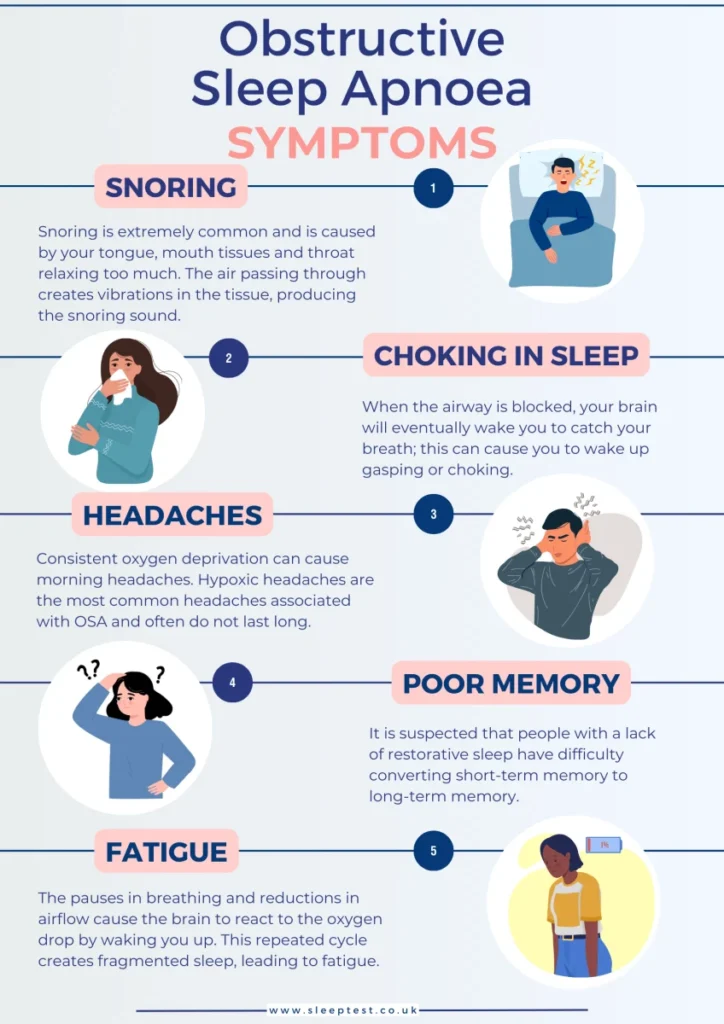
One more reality check: if snoring comes with pauses in breathing, choking/gasping, or heavy daytime sleepiness, it may point toward sleep apnea. A mouthpiece can still be part of the conversation, but medical evaluation matters.
Timing: When an anti snoring mouthpiece makes sense (and when it doesn’t)
Try a mouthpiece when:
- Snoring is frequent and disruptive, especially when you sleep on your back.
- You wake with dry mouth, or your partner notices open-mouth breathing.
- You want an option that’s more structured than “another gadget” and less drastic than sleeping separately.
Pause and consider medical advice first when:
- Your partner reports breathing pauses, gasping, or choking sounds.
- You have chest pain, severe insomnia, or significant daytime sleepiness.
- You have jaw issues, major dental problems, or loose dental work.
If you’re in the “we’re joking about it, but it’s actually hurting us” stage, timing matters emotionally too. Start on a low-stress week. Don’t begin the night before an early flight or a big presentation.
Supplies: What you’ll want on your nightstand
- An anti-snoring mouthpiece you can fit and clean easily
- A case for storage (keeps it clean and harder to lose)
- Basic oral hygiene supplies (toothbrush, floss)
- Optional: saline rinse or nasal strips if congestion is common
- A simple way to track results (notes app, sleep app, or partner feedback)
If you like the idea of pairing jaw support with mouth closure support, look at an anti snoring mouthpiece. Some couples prefer combos because it reduces “did it fall out?” debates at 2 a.m.
Step-by-step (ICI): Identify → Choose → Implement
1) Identify the most likely snoring pattern
Use two quick questions:
- Position: Is it worse on your back? If yes, jaw and tongue position may play a role.
- Nose vs mouth: Do you often wake with a dry mouth? If yes, mouth breathing may be part of the picture.
Keep this low-drama. Ask your partner for one useful observation, not a full performance review.
2) Choose a mouthpiece style you can actually tolerate
Most anti-snoring mouthpieces fall into two buckets:
- Jaw-positioning styles: Designed to bring the lower jaw slightly forward, which may reduce airway vibration.
- Mouth-stabilizing styles: Designed to support keeping the mouth in a steadier position during sleep.
Comfort is not a “nice to have.” If it hurts, you won’t use it, and the relationship benefit disappears.
3) Implement for 10 nights, then decide with data
Do a short trial so you can judge results without guessing.
- Nights 1–3: Focus on comfort and fit. Expect an adjustment period.
- Nights 4–7: Track snoring volume (partner rating 1–5) and your morning energy.
- Nights 8–10: Look for consistency. Better sleep should show up more than once.
One simple communication rule: agree on a neutral signal if snoring wakes your partner (like a gentle shoulder tap). It prevents the “you’re mad at me” spiral at 3 a.m.
Mistakes that make snoring (and stress) worse
Trying a risky hack instead of a basic plan
Mouth taping is trending, but it isn’t a universal solution. If your nose is blocked or sleep apnea is possible, forcing mouth closure can be a bad idea. Treat it as a clinician-level question, not a bedtime dare.
Expecting one night to fix months of fatigue
Morning fatigue can come from fragmented sleep, stress, alcohol close to bedtime, or inconsistent sleep timing. A mouthpiece can help snoring, but it can’t solve everything at once.
Ignoring nasal comfort
When your nose is unhappy, your mouth often does the “backup breathing.” That’s why nasal health keeps coming up in recent sleep conversations. If congestion is frequent, address it with safe, basic steps and talk to a clinician when it’s persistent.
Turning the problem into a blame game
Snoring is awkward. People joke about it, then quietly feel rejected when couples sleep apart. If you’re both tired, lead with teamwork: “Let’s test a plan for two weeks.”
FAQ: Quick answers before you shop
Will a mouthpiece cure snoring?
It may reduce or stop snoring for some people, but results depend on anatomy, sleep position, nasal airflow, and consistency.
What if snoring stops but we still sleep separately?
That’s more common than people admit. Rebuilding shared sleep can take time. Start with low-pressure nights and focus on comfort, not perfection.
Can kids use anti-snoring devices?
Children’s snoring and sleep-breathing issues deserve clinician guidance. Don’t self-treat with adult devices.
CTA: Make the next step easy (and calmer)
If snoring is starting arguments, you don’t need another gimmick. You need a simple trial and a tool you can stick with.
How do anti-snoring mouthpieces work?
Medical disclaimer: This article is for general education only and is not medical advice. Snoring can be a symptom of sleep apnea or other conditions. If you have breathing pauses, choking/gasping, significant daytime sleepiness, or ongoing concerns, seek evaluation from a qualified clinician.