
- Snoring is trending again because sleep gadgets are everywhere, and burnout makes “good sleep” feel like a status symbol.
- Sleep quality isn’t passive; your body uses the night for active repair and regulation.
- An anti snoring mouthpiece can help when jaw or tongue position narrows the airway.
- Not all snoring is “just noise”; some patterns overlap with obstructive sleep apnea warning signs.
- The safest plan is: screen, test, document—so you know what worked and when to escalate.
What people are talking about right now (and why)
Sleep has moved from “self-care” to “survival.” You see it in the wearable scores, the sunrise alarm clocks, and the travel recovery hacks. Even relationship humor has shifted: couples joke about separate bedrooms, but the real issue is often fragmented sleep.
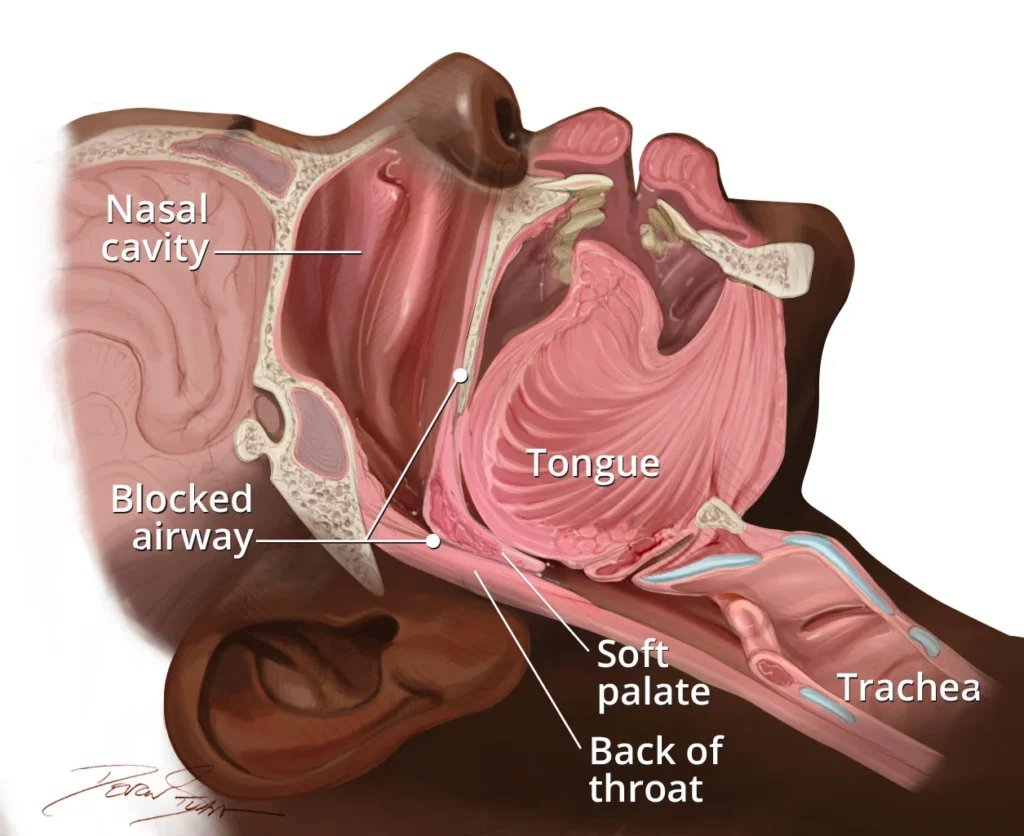
Another driver is workplace fatigue. When your days are packed and your nights are short, snoring feels louder, more frequent, and more disruptive. That’s when many people start searching for quick fixes like nasal strips, mouth taping trends, and mouthpieces.
Some recent coverage has also pushed the conversation toward sleep apnea education and dental-based therapies. That’s a good thing. It nudges people to stop guessing and start screening.
If you want a quick refresher on the basics people are searching for, see What is Sleep Apnea?.
What matters for health (not just peace and quiet)
Snoring happens when airflow gets turbulent and tissues in the upper airway vibrate. Lots of everyday factors can contribute, including sleep position, alcohol close to bedtime, nasal congestion, and weight changes.
Here’s the key: snoring can be benign, but it can also show up alongside obstructive sleep apnea. Sleep apnea is not something you want to self-manage blindly. It’s linked with poor sleep quality and broader health risks, and it often requires a clinical evaluation.
Red flags worth taking seriously
Consider a medical check-in if you notice any of these patterns:
- Pauses in breathing, choking, or gasping during sleep (often reported by a partner)
- Strong daytime sleepiness, morning headaches, or brain fog that doesn’t match your schedule
- High blood pressure or heart risk factors plus loud, persistent snoring
- Snoring that suddenly worsens without an obvious cause
Why “sleep isn’t optional” keeps popping up
Sleep is an active phase for the body. It supports immune function, metabolism, mood regulation, and recovery. That’s why people feel the difference fast when snoring fragments the night—even if they technically stayed in bed for eight hours.
How to try an anti snoring mouthpiece at home (safer, smarter)
If your snoring seems position-related or your partner says it’s worse on your back, a mouthpiece may be a reasonable first experiment. Many products aim to bring the lower jaw slightly forward or stabilize the tongue position to keep the airway more open.
Start with a simple “baseline week”
Before you change anything, collect a few nights of notes. Keep it quick:
- Bedtime, wake time, and alcohol or heavy meals within 3 hours of sleep
- Snoring intensity (1–10) from a partner or an app
- How you feel at noon (alert vs. dragging)
- Nasal congestion level
This reduces guesswork. It also helps if you later talk to a clinician or dentist.
Choose a mouthpiece type with your risk tolerance in mind
Over-the-counter devices vary in comfort and consistency. Some are adjustable, while others are “boil-and-bite.” If you’re shopping, focus on fit, return policies, and materials that are easy to clean.
To compare options, you can review anti snoring mouthpiece and note which designs match your needs.
Use it like a controlled trial (not a forever commitment)
- Ramp up gradually: try a few hours the first night if you’re sensitive.
- Keep it clean: rinse after use and follow the product’s cleaning instructions to reduce irritation and odor.
- Watch your jaw: mild soreness can happen early, but sharp pain or persistent clicking is a stop sign.
- Track outcomes: compare snoring scores and daytime energy to your baseline week.
Safety and screening: small steps that prevent big headaches
Document what you chose and why (even a note in your phone). Save the order page, the sizing info, and your start date. If you develop tooth movement, bite changes, gum irritation, or jaw pain, stop and reassess. Those details help you get faster, better guidance if you need professional input.
When to escalate beyond DIY
If snoring persists despite consistent use, don’t just keep buying new gadgets. Switch to a screening mindset. A primary care clinician or sleep specialist can evaluate for sleep apnea. A dentist trained in dental sleep medicine can also discuss oral appliance options, especially when snoring overlaps with suspected obstructive sleep apnea.
Escalate sooner if you have breathing pauses, significant daytime sleepiness, or cardio-metabolic risk factors. Also escalate if your mouthpiece causes ongoing jaw symptoms or bite changes.
FAQ
Do anti-snoring mouthpieces work for everyone?
No. They often help when snoring comes from jaw or tongue position, but they may not help if congestion, alcohol, or sleep apnea is the main driver.
What’s the difference between snoring and sleep apnea?
Snoring is sound from vibration in the airway. Sleep apnea involves repeated breathing disruptions during sleep and can come with choking/gasping, daytime sleepiness, or high blood pressure.
Can a mouthpiece replace CPAP?
Sometimes, a dentist-fitted oral appliance may be an option for certain people with obstructive sleep apnea, but it depends on severity and needs clinician guidance.
Is it safe to use a boil-and-bite mouthguard for snoring?
Many people try them, but fit and comfort vary. Stop if you get jaw pain, tooth movement, or worsening symptoms, and consider a dental consult for persistent issues.
How long does it take to adjust to a snoring mouthpiece?
Many users adapt over several nights to a few weeks. Start gradually and track comfort, sleep quality, and side effects.
Next step: make your plan simple
If snoring is denting your sleep and your partner’s patience, keep the plan boring and measurable: screen for red flags, test one change at a time, and write down results.
How do anti-snoring mouthpieces work?
Medical disclaimer: This article is for general education only and is not medical advice. It does not diagnose, treat, or replace care from a qualified clinician. If you suspect sleep apnea or have severe daytime sleepiness, choking/gasping at night, chest pain, or worsening symptoms, seek professional evaluation.