
On the third night of a work trip, “Maya” did the math at 3:12 a.m. One more day of meetings, one more hotel pillow, and one more text from her partner: “You were sawing logs again.” She’d already tried a new sleep tracker, a fancy magnesium drink, and a different pillow from the hotel closet. Nothing stuck.
That’s the vibe right now. Sleep gadgets are trending, burnout is real, and snoring has become a weirdly common relationship punchline. The good news: you can take a practical, budget-friendly path at home before you burn another month on trial-and-error.
Why does snoring mess with sleep quality so much?
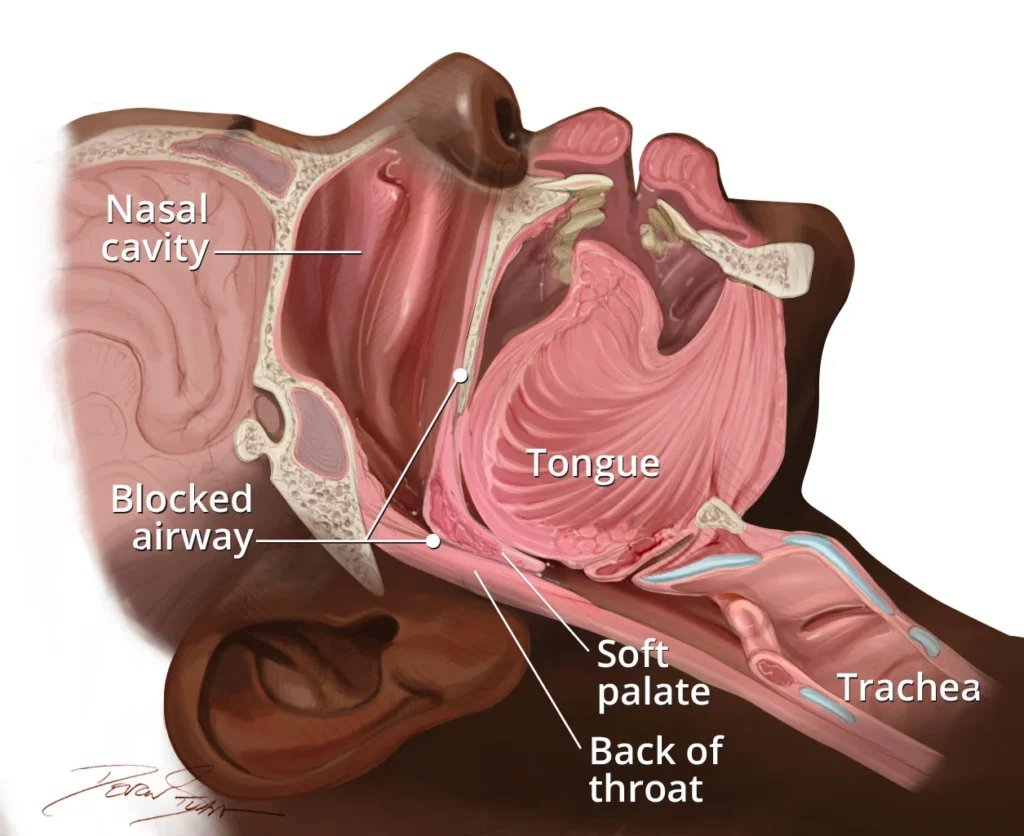
Snoring isn’t just noise. It often means airflow is partly blocked, so tissues in the throat vibrate. Even when you don’t fully wake up, your sleep can fragment. That can leave you with “I slept eight hours but feel wrecked” mornings.
Sleep quality matters because it affects mood, focus, and recovery. If your partner is also waking up, you get a double hit: two tired people, one bedroom, and a growing pile of “sleep fixes” that didn’t work.
What people are talking about right now
In recent sleep coverage, you’ll see a few themes repeat: nasal breathing, simple habits that reduce morning fatigue, and debates about mouth taping. You’ll also see more explainers on sleep apnea, because loud snoring plus daytime sleepiness can be a red flag.
If you want a quick scan of the safety debate that’s been making rounds, see this related coverage here: Living Well with SoHum Health: The Nose Knows.
Is snoring sometimes a sign of sleep apnea?
Yes, sometimes. Snoring can happen on its own, but it can also show up with obstructive sleep apnea, where breathing repeatedly pauses during sleep. That’s why “just buy a gadget” isn’t always the right move.
Consider getting checked if you notice choking or gasping, witnessed breathing pauses, heavy daytime sleepiness, or morning headaches. If you have concerns, a clinician can guide next steps and help you avoid guessing.
What can you try at home first without wasting money?
Start with the basics that cost little and are easy to test for a week:
- Side-sleeping support: Many people snore more on their back. A simple pillow change or positional support can help.
- Nasal breathing setup: If your nose is blocked, snoring can worsen. Think shower steam, allergy management, or a gentle saline rinse if it’s appropriate for you.
- Evening routine tweaks: Late alcohol, heavy meals, and inconsistent bedtimes can make snoring and sleep fragmentation more likely.
Keep it simple: change one thing at a time. Otherwise you won’t know what helped.
Where does an anti snoring mouthpiece fit in?
An anti snoring mouthpiece is a practical option when snoring is linked to jaw position and relaxed soft tissues. Many designs work by gently moving the lower jaw forward to help keep the airway more open. Some focus on tongue positioning instead.
This approach is popular because it’s at-home, non-surgical, and often cheaper than cycling through multiple sleep gadgets. It can also be easier for couples: less noise, fewer wake-ups, and fewer “you kept me up” mornings.
Who tends to do well with a mouthpiece?
- People whose snoring is worse on their back
- People who wake with dry mouth (often from mouth-breathing)
- Couples who need a practical compromise that doesn’t involve sleeping in separate rooms
Who should be cautious?
- Anyone with possible sleep apnea symptoms (get evaluated)
- People with significant jaw pain, TMJ issues, or unstable dental work
- Those who can’t breathe well through the nose at night
Are mouth-taping and “nasal breathing” trends the same thing?
Not exactly. The goal people talk about is nasal breathing, which can feel smoother and less drying for some sleepers. Mouth taping is one method that’s gotten attention, but it’s not right for everyone. Safety depends on your health, nasal airflow, and risk factors.
If you’re drawn to the “simple hack” trend, pressure-test it. Ask: “Can I breathe freely through my nose right now?” If the answer is no, fix that first. If you’re unsure, skip the hack and talk to a professional.
How do you choose a mouthpiece without buying three?
Look for comfort, adjustability, and a design that matches your likely snoring pattern. Many shoppers focus on jaw-advancement styles because they’re common and straightforward. If you want a starting point for options, compare features here: anti snoring mouthpiece.
Plan a short test window. Track two things: (1) snoring volume/frequency (your partner’s report counts), and (2) how you feel at 10 a.m. If comfort is poor or jaw pain shows up, stop and reassess.
Common mistakes that keep people stuck
- Chasing novelty: New sleep tech can be fun, but basics often move the needle more.
- Ignoring nasal congestion: If your nose can’t do its job, everything else gets harder.
- Assuming “it’s just snoring”: If symptoms point to sleep apnea, don’t DIY your way past it.
Quick medical disclaimer
This article is for general education only and isn’t medical advice. It doesn’t diagnose, treat, or replace care from a qualified clinician. If you suspect sleep apnea or have severe daytime sleepiness, breathing pauses, chest pain, or worsening symptoms, seek medical evaluation.
FAQs
Do anti-snoring mouthpieces work for everyone?
No. They tend to help most when snoring is linked to relaxed throat tissues and jaw position. If symptoms suggest sleep apnea, get evaluated.
Is mouth taping safe for snoring?
It depends. Some people may find nasal breathing helpful, but mouth taping can be risky if you have nasal blockage, reflux, or possible sleep apnea. When in doubt, ask a clinician.
How fast can a mouthpiece improve sleep quality?
Some people notice less snoring within a few nights. Sleep quality can take longer because your body may need time to “catch up” after fragmented sleep.
What’s the difference between a snoring mouthpiece and a night guard?
A night guard mainly protects teeth from grinding. An anti-snoring mouthpiece is designed to position the jaw or tongue to keep the airway more open.
When should I worry that snoring is more than snoring?
If you have choking/gasping, loud snoring with pauses, morning headaches, high daytime sleepiness, or high blood pressure, ask a professional about sleep apnea screening.
Next step: get a clear answer fast
If you want a practical path that doesn’t turn into a gadget graveyard, start with one change this week. If a mouthpiece seems like the right fit, learn the basics first, then choose a design you can actually tolerate night after night.