
Myth: If you snore, you’re sleeping deeply.
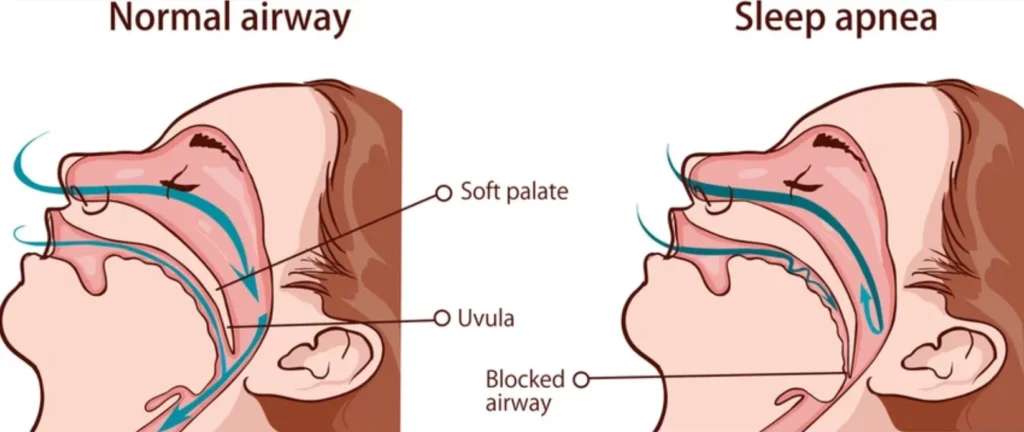
Reality: Snoring can be a sign your breathing is working harder than it should, and that can chip away at sleep quality. That’s why “sleep health” keeps trending—right alongside wearables, smart rings, white-noise machines, and the latest sleep gadgets people pack for red-eye flights.
If snoring has turned into relationship comedy (or not-so-funny 2 a.m. elbow taps), you don’t need a thousand hacks. You need a simple decision path, plus a realistic plan for comfort, positioning, and cleanup.
Start here: snoring is noise, but it can also be a clue
Snoring often happens when airflow is partially blocked and soft tissues vibrate. Sometimes it’s a one-off from congestion, alcohol, or sleeping on your back. Other times it shows up with fragmented sleep and daytime fog.
There’s also a bigger topic in the headlines: sleep apnea education from major medical sources. If you want the broader context, look up What is Sleep Apnea?.
The decision guide: If…then… your next best move
If your snoring is occasional, then fix the “easy blockers” first
If snoring spikes with travel fatigue, late meals, or a couple of drinks, start with basics. Try side-sleeping, earlier wind-down, and a consistent bedtime for a week. Many people also do better when their nose feels clear, especially during allergy seasons or dry hotel-room air.
If your snoring drops when you change position, that’s useful data. It suggests airway posture is part of the story.
If you mostly snore on your back, then focus on positioning + airway support
Back-sleeping can let the jaw and tongue fall backward. That can narrow the airway and make vibration more likely. If you can’t stay on your side (shoulder pain, pregnancy, or you just “teleport” back), a tool-based approach may help.
This is where an anti snoring mouthpiece often enters the chat. Many are designed to support the lower jaw forward (mandibular advancement) or stabilize the tongue, which can reduce collapse in some people.
If your partner says you “stop breathing,” then don’t treat this like a gadget problem
Snoring plus witnessed breathing pauses, gasping, or heavy daytime sleepiness deserves medical attention. A mouthpiece might still be part of a plan, but first you need the right screening and guidance.
Think of this as sleep health, not just sound control. Quiet nights are great. Safe breathing is the priority.
If you want to try a mouthpiece, then choose for comfort and adjustability
People are talking about mouthpieces more lately, including consumer-style reviews and “is it legit?” discussions. That’s understandable. Fit and comfort decide whether you’ll actually wear it.
- Comfort-first fit: A device that feels too bulky or forces the jaw too far forward can backfire. Look for designs that allow gradual adjustment when possible.
- Jaw positioning (MAD basics): The goal is gentle forward positioning, not maximum advancement on night one. Small changes can matter.
- Breathing preference: If you’re a mouth breather at night, comfort and airflow design matter more.
If you’re comparing options, start with a clear category search like anti snoring mouthpiece and narrow based on fit style and adjustability.
If your jaw feels sore, then slow down and reset the technique
Mild tenderness can happen early on. Sharp pain, worsening headaches, or bite changes are not “powering through” moments. Reduce advancement if adjustable, take a night off, and consider professional guidance if symptoms persist.
Workplace burnout already drains your resilience. Your sleep solution shouldn’t add a new problem.
Make it work in real life: comfort, positioning, and cleanup
Comfort routine (2 minutes)
Rinse the mouthpiece before use. Seat it gently and check that it feels stable. If your device is adjustable, start conservative and move in small steps over several nights.
Positioning routine (no perfection required)
Pair the mouthpiece with side-sleep support if you can. A pillow that keeps your head and neck neutral often helps. If you travel, bring the smallest “repeatable” setup you can manage.
Cleanup routine (keep it simple)
Rinse after use and let it fully air-dry. Use a soft brush as needed. Avoid harsh cleaners unless the manufacturer recommends them, since materials vary.
What people are talking about right now (and what to ignore)
Sleep trends come in waves: mouth taping debates, nasal strips, smart alarms, and new wearables that score your night like a performance review. Some tools help. Others just create pressure.
Use trends for ideas, not certainty. The best approach is the one you can stick with, that improves sleep quality without causing pain or anxiety.
FAQ
Do anti-snoring mouthpieces work for everyone?
No. They tend to help some people with snoring tied to jaw or tongue position, but they won’t fit every mouth or every cause of snoring.
What’s the difference between a mouthguard and a mandibular advancement device?
A basic mouthguard mainly protects teeth. A mandibular advancement device (MAD) is designed to gently hold the lower jaw forward to keep the airway more open.
How long does it take to get used to an anti-snoring mouthpiece?
Many people need several nights to a couple of weeks to adapt. Start with comfort-first settings and adjust gradually if your device allows it.
Can a mouthpiece help if I’m exhausted from travel or burnout?
It can reduce snoring for some people, which may help sleep feel less fragmented. But travel fatigue and stress can still disrupt sleep even if snoring improves.
When should I talk to a clinician about snoring?
If you have loud snoring plus choking/gasping, witnessed breathing pauses, morning headaches, or severe daytime sleepiness, get evaluated for possible sleep-disordered breathing.
CTA: pick a simple next step
If snoring is hurting your sleep quality (or your relationship’s peace treaty), make your next move specific: choose a comfort-first mouthpiece option, pair it with better positioning, and keep cleanup easy.
How do anti-snoring mouthpieces work?
Medical disclaimer
This article is for general education and does not provide medical advice, diagnosis, or treatment. If you suspect sleep apnea or have severe daytime sleepiness, gasping, or witnessed breathing pauses, seek evaluation from a qualified clinician.