
Myth: Snoring is just an annoying sound.
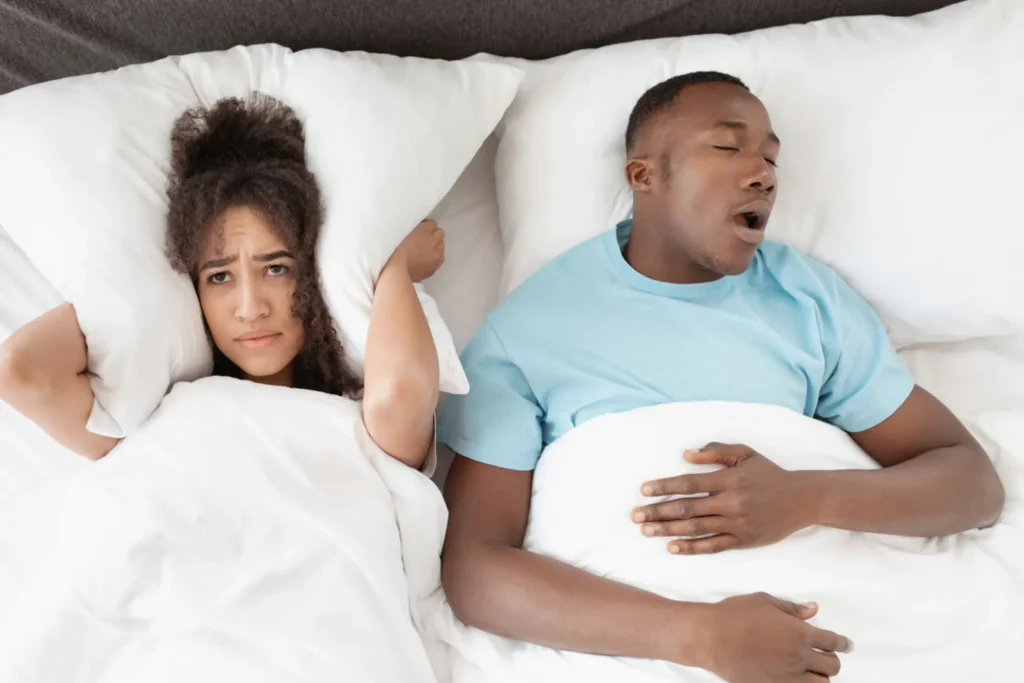
Reality: Snoring can be a sign your breathing is getting cramped at night, which can chip away at sleep quality. That’s why snoring has been popping up in health conversations lately—right alongside sleep gadgets, mouth-taping trends, and the ongoing “why am I still tired?” burnout talk.
Let’s keep this practical. Below is a decision guide you can use tonight, plus what an anti snoring mouthpiece can (and can’t) do.
Quick checkpoint: what “bad sleep” looks like in real life
People don’t always notice snoring. Partners do. So do travel roommates, hotel neighbors, and anyone on the other side of a thin wall.
Clues your sleep may be getting fragmented include morning headaches, dry mouth, waking up unrefreshed, dozing off mid-afternoon, or needing extra caffeine just to feel normal.
Decision guide: If…then… pick your next move
If your snoring is occasional (travel fatigue, alcohol, congestion)…
Then: treat it like a “temporary trigger” problem first. Late nights, flights, and new pillows can all make snoring louder. So can drinking close to bedtime.
Give it a week of consistent sleep timing. If snoring fades, you likely found the driver.
If snoring is frequent and your partner is done negotiating…
Then: focus on solutions that support airflow, not just noise reduction. Relationship humor aside, sleeping apart can become a habit even after snoring improves. A clear plan helps both people stay on the same page.
Start by tracking patterns: back-sleeping vs side-sleeping, congestion, and whether you wake up with a dry mouth.
If you mouth-breathe or wake with a dry mouth…
Then: you may be leaking air and vibrating tissues in the throat. This is where many people start looking at mouth-focused fixes. You’ve probably seen the mouth-taping trend, too.
Mouth taping is getting attention, but it’s not “one-size-fits-all.” If your nose is blocked or you might have sleep apnea, taping can be a bad idea. When in doubt, don’t DIY your breathing.
If you suspect your jaw/tongue position is part of the issue…
Then: an anti snoring mouthpiece may be worth considering. These products aim to keep the airway more open by changing where the jaw or tongue rests during sleep.
Expect an adjustment period. Some people notice improvement quickly, while others need fit tweaks or decide it’s not comfortable enough to stick with.
If snoring comes with choking/gasping, pauses, or heavy daytime sleepiness…
Then: don’t treat it as “just snoring.” Sleep apnea education has been making the rounds for a reason: it can be missed for years.
Use this as a starting point for what to ask about: What is Sleep Apnea?. If those red flags match your nights, talk with a clinician about evaluation options.
Where an anti-snoring mouthpiece fits (and where it doesn’t)
Mouthpieces are popular because they’re simple compared with many sleep gadgets. No charging. No apps. No subscription graphs to interpret at 2 a.m.
They’re generally aimed at snoring linked to airway narrowing from how the jaw and tongue relax during sleep. They are not a guaranteed fix for every snorer, and they are not a substitute for medical care when apnea is a concern.
Buying signals: what to look for before you click “add to cart”
- Fit and comfort: if it hurts, you won’t wear it.
- Stability: a design that stays put matters more than marketing claims.
- Breathing support: some people prefer solutions that pair mouth positioning with gentle support to keep the mouth closed.
- Realistic expectations: “better” often means fewer disruptions, not perfect silence.
A simple option people search for: mouthpiece + chin support
If you’re exploring a combined approach, see this anti snoring mouthpiece. It’s designed for people who want mouth positioning plus added support to reduce mouth-opening during sleep.
FAQ: fast answers to common snoring questions
Is snoring worse during stressful weeks?
It can be. Stress can disrupt sleep depth and routine, and that can make snoring more noticeable—especially during burnout cycles.
Do sleep trackers solve snoring?
They can highlight patterns, but they don’t treat the cause. Use them as feedback, not the fix.
What if snoring improved but you still sleep in separate rooms?
That’s common. Rebuild trust with a trial period, clear expectations, and a backup plan for bad nights.
Next step
If you’re ready to compare options and pick a plan you can actually stick with, start here:
How do anti-snoring mouthpieces work?
Medical disclaimer: This article is for general education and does not provide medical advice, diagnosis, or treatment. If you have choking/gasping, witnessed breathing pauses, significant daytime sleepiness, or concerns about sleep apnea (including in children), seek evaluation from a qualified clinician.