
Snoring is having a moment again. Between sleep trackers, “hack” videos, and burnout-era mornings, people are paying attention to what their nights feel like.
And yes—relationship jokes about the “human chainsaw” are still everywhere, especially after travel fatigue or a week of late-night doomscrolling.
An anti snoring mouthpiece can be a practical, low-drama tool for better sleep quality—but it works best when you pair it with smart checks and safety guardrails.
The big picture: why snoring is suddenly everyone’s problem
Snoring isn’t new. What’s new is how visible sleep has become. People compare sleep scores at work, buy gadgets on impulse, and try trending fixes because they’re exhausted.
Snoring also hits two hot buttons at once: health anxiety and relationship peace. If your partner can’t sleep, you can’t sleep. That spirals fast.
One more reason it’s in the headlines: snoring can overlap with sleep apnea discussions. Not all snoring equals sleep apnea, but the public conversation is louder now—and that’s a good thing.
The human side: sleep loss isn’t just “being tired”
Sleep fragmentation changes how your day runs. You may feel foggy, short-tempered, or weirdly wired at night and drained in the morning.
For couples, snoring can turn into logistics: separate rooms, earbuds, white noise, or a “rotate who gets the couch” routine. Even when snoring improves, the habit of sleeping apart can linger.
Workplace burnout adds fuel. When stress is high, people lean on caffeine, late screens, and inconsistent bedtimes. Those patterns often make snoring worse, or at least make the household less resilient to it.
Practical steps: where an anti snoring mouthpiece fits
Think of snoring like a traffic jam. You want to reduce the bottleneck that creates vibration in the airway. A mouthpiece is one way to improve airflow at night for certain snoring patterns.
Step 1: Do a quick “snore inventory” before you buy
Keep it simple for three nights:
- Timing: Is it all night, or mostly after you fall into deeper sleep?
- Triggers: Alcohol, congestion, back-sleeping, travel, or stress spikes?
- Impact: Do you wake up unrefreshed, with headaches, dry mouth, or daytime sleepiness?
This helps you choose a tool instead of collecting one more bedside gadget.
Step 2: Understand what mouthpieces try to do
Many anti-snoring mouthpieces are designed to support a better airway position during sleep. Some aim to keep the jaw from drifting back, which can reduce tissue vibration for certain people.
They are not a “sleep health cure-all.” They are a targeted tool. If your snoring is mostly driven by nasal blockage or illness, you may need a different approach.
Step 3: Choose a reasonable starting point
If you’re exploring options, start with comfort and consistency. A mouthpiece that stays in the drawer won’t improve sleep quality.
Here’s a helpful place to compare anti snoring mouthpiece and see what features people typically look for.
Step 4: Make it easier to succeed (without overcomplicating it)
Pair the mouthpiece with one or two basics for a week:
- Side-sleep support (pillow or positioning)
- Earlier cutoff for alcohol and heavy late meals
- Wind-down routine that reduces mouth-breathing triggers (dry room, late screens)
Small changes stack. You don’t need a 12-step sleep optimization plan.
Safety and testing: what to watch for (and what to avoid)
Not every trending snore “hack” is a good idea. Mouth taping, for example, has been discussed widely lately. It may sound simple, but it can be unsafe for some people—especially if you can’t breathe well through your nose or if sleep apnea is a possibility.
With mouthpieces, the most common issues are comfort and jaw or tooth symptoms. Take these seriously:
- Jaw pain, clicking, or morning stiffness that doesn’t fade
- Tooth soreness or gum irritation
- Bite changes that persist beyond a short adjustment period
Testing should be practical. Track snoring (a simple audio app is fine), note morning symptoms, and ask your sleep partner for a 1–10 rating for noise and interruptions.
When snoring might be more than snoring
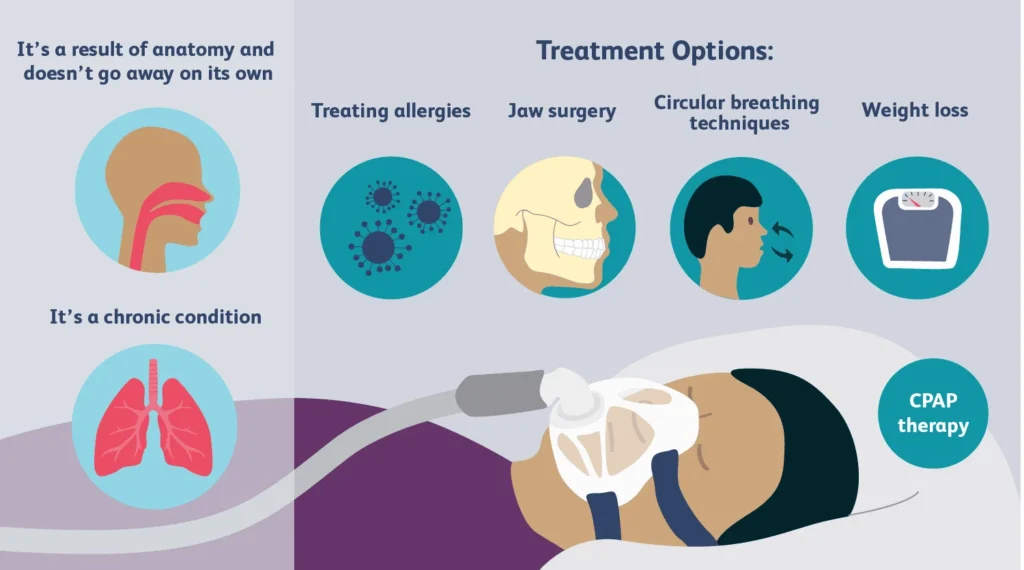
Sleep apnea is a frequent topic in medical coverage for a reason. If you have loud snoring plus gasping, witnessed breathing pauses, or heavy daytime sleepiness, don’t self-treat forever.
If you want a quick explainer to guide your questions, see What is Sleep Apnea?.
FAQ: quick answers people are asking right now
Is it normal to snore more after travel?
Yes. Dry hotel air, different pillows, alcohol, and disrupted schedules can all make snoring more likely.
Can a mouthpiece replace a sleep study?
No. If sleep apnea is suspected, a proper evaluation matters. A mouthpiece may reduce noise, but it doesn’t confirm safety.
What if I only snore on my back?
Positioning strategies plus a mouthpiece may help, but start with the simplest lever first: side-sleep support.
CTA: make your next step simple
If snoring is hurting your sleep quality, start with one realistic change and test it for a week. Consistency beats chaos.
How do anti-snoring mouthpieces work?
Medical disclaimer: This article is for general information only and is not medical advice. Snoring can have many causes, including conditions that require diagnosis and treatment. If you have breathing pauses, gasping, chest pain, severe daytime sleepiness, or other concerning symptoms, talk with a qualified clinician.