
On the last night of a work trip, Alex fell asleep in a hotel bed with a “sleep gadget” lineup on the nightstand: a ring tracker, a white-noise app, and a fresh roll of tape from a social post that promised quieter nights. At 2:07 a.m., the tape came off. The snoring stayed. The next morning felt like jet lag plus burnout, even though the flight home was short.
That’s the moment a lot of people are in right now. Sleep hacks are everywhere, and snoring has become a weirdly public topic. People joke about it in relationships, talk about it in group chats, and search for fixes between meetings. Let’s cut through the noise and focus on sleep quality, what’s trending (like mouth taping), and where an anti snoring mouthpiece fits in.
The big picture: snoring is a sleep-quality problem, not just a sound
Snoring isn’t only annoying. It can fragment sleep for the snorer, the partner, or both. Even when you “get enough hours,” disrupted breathing and repeated micro-wakeups can leave you feeling foggy.
Sleep also isn’t a passive shutdown. Many clinicians describe it as an active recovery window for the body. When sleep gets choppy, the next day often shows it: low patience, higher cravings, slower reaction time, and that wired-tired feeling that looks like “morning fatigue.”
Why snoring seems louder lately
A few modern forces amplify the problem. Travel fatigue dries people out and shifts sleep position. Workplace stress pushes late-night screens and shallow sleep. And health trends spread fast, especially anything that looks “simple” and camera-friendly.
If you want a quick cultural snapshot of the mouth-taping debate, see Saline nasal spray found to ease sleep apnea symptoms in children.
The emotional part: when snoring turns into distance
Snoring has a social cost. Couples start with humor, then move to nudges, then to separate sleep spaces “just for tonight.” Sometimes the snoring improves, but the separation sticks. That’s not just about noise; it’s about resentment, exhaustion, and the feeling that bedtime became a negotiation.
Fixing snoring often helps more than sleep metrics. It can reduce friction, restore routine, and make mornings feel less like a recovery mission.
Practical steps: a no-drama plan that starts tonight
Before you buy another gadget, do a quick reset. These steps are simple, low-cost, and stack well with an oral device.
1) Get specific about the pattern
Ask two questions: Is snoring worse on your back? Is it worse after alcohol, heavy meals, or late nights? A basic note in your phone for a week beats guessing.
2) Reduce “dry-air snoring” triggers
Dry mouth and nasal congestion can push mouth-breathing, which can make snoring louder. Hydration helps. Humidifying the room can help. Some families also talk about saline nasal care for nighttime breathing, and recent coverage has highlighted saline spray research in kids with sleep-disordered breathing. Adults should still treat this as a general comfort step, not a guaranteed fix.
3) Try positioning that actually stays put
Side-sleeping often reduces snoring for back-snorers, but “just sleep on your side” rarely lasts all night. Use a pillow setup that blocks rolling, or a backpack-style positional aid if that’s comfortable. Keep it simple.
4) Add a tool that targets airway mechanics
If your snoring is linked to jaw position and airway narrowing, an anti snoring mouthpiece can help by encouraging a forward jaw posture during sleep. Some people pair this with a chin strap for added support, especially if they tend to drop their jaw open at night.
If you’re looking for a combined option, consider this anti snoring mouthpiece.
Safety and testing: mouth taping vs mouthpieces (and when to pause)
Trends love extremes. Mouth taping is one of those ideas that sounds clean and “biohacky,” but it isn’t a fit for everyone. If your nose isn’t clear, taping can feel panicky and unsafe. It can also mask symptoms you should take seriously.
When to skip hacks and get checked
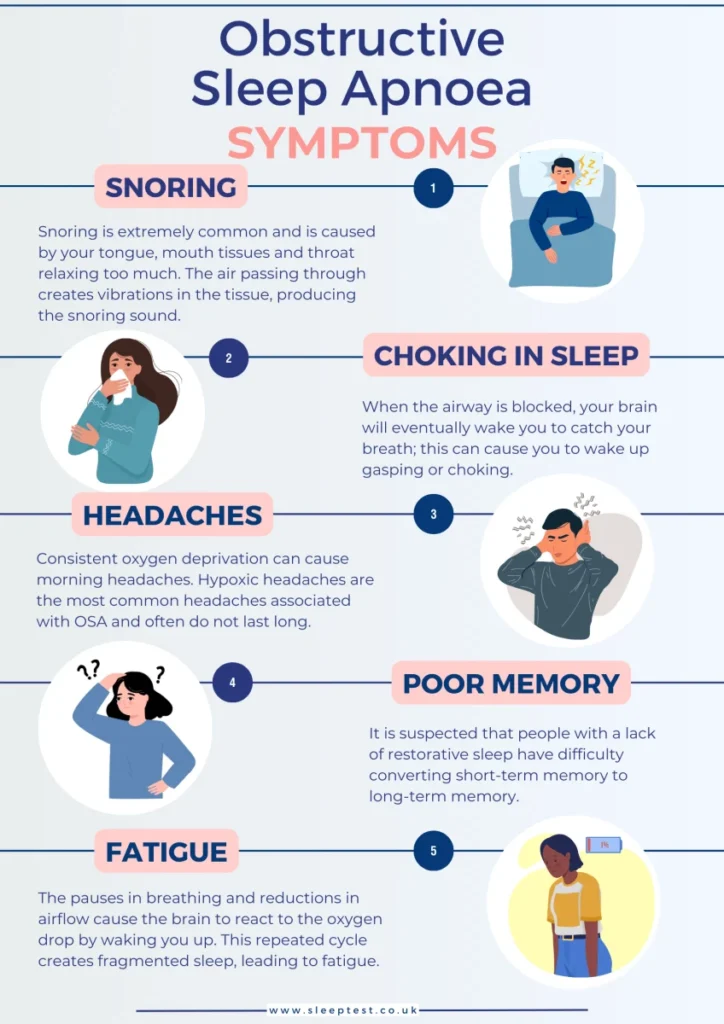
Don’t try to power through if you have loud snoring plus choking/gasping, witnessed breathing pauses, or significant daytime sleepiness. Those can be signs of obstructive sleep apnea. A clinician can guide testing and safe options.
How to test a mouthpiece the right way
- Break-in slowly: Start with short wear periods before a full night.
- Track comfort: Mild soreness can happen early; sharp pain is a stop sign.
- Watch your bite: If your bite feels “off” in the morning and doesn’t normalize, reassess fit.
- Keep it clean: Rinse, gentle brush, air-dry. Replace if it cracks or warps.
Medical disclaimer: This article is for general education and does not diagnose, treat, or replace medical care. If you suspect sleep apnea or have breathing problems, talk with a qualified clinician before trying new sleep devices or techniques.
FAQ
Can an anti-snoring mouthpiece improve sleep quality?
It can, especially if it reduces snoring-related arousals and helps you stay in deeper sleep stages longer. Your results depend on the cause of snoring and your fit/comfort.
What if my partner snores and won’t do anything?
Make it about shared sleep, not blame. Offer a two-week “experiment,” with one change at a time and a clear goal: fewer wakeups for both people.
Do I still need sleep basics if I use a mouthpiece?
Yes. Mouthpieces help mechanics, but sleep quality also depends on schedule, light exposure, alcohol timing, and stress load.
CTA: pick a safer trend and stick with it
Sleep is having a moment, but the best fix is the one you can repeat. If you want a practical tool that targets snoring mechanics without relying on viral hacks, start with a well-fitted mouthpiece and a simple routine.