
- Snoring is noise, but the real issue is often sleep quality and next-day fatigue.
- An anti snoring mouthpiece can help when jaw position narrows your airway.
- Fit, comfort, and cleaning habits matter as much as the device itself.
- Some snoring needs screening, not a gadget—especially if you gasp or feel exhausted.
- Document what you try (and how it feels). It keeps you safer and makes next steps clearer.
Snoring is having a cultural moment again. Sleep trackers score your night like a report card. Travel fatigue turns one bad hotel pillow into a three-day slump. Couples joke about “sleep divorce,” and workplaces keep talking about burnout like it’s a season. Under the jokes, most people want the same thing: quieter nights and better mornings.
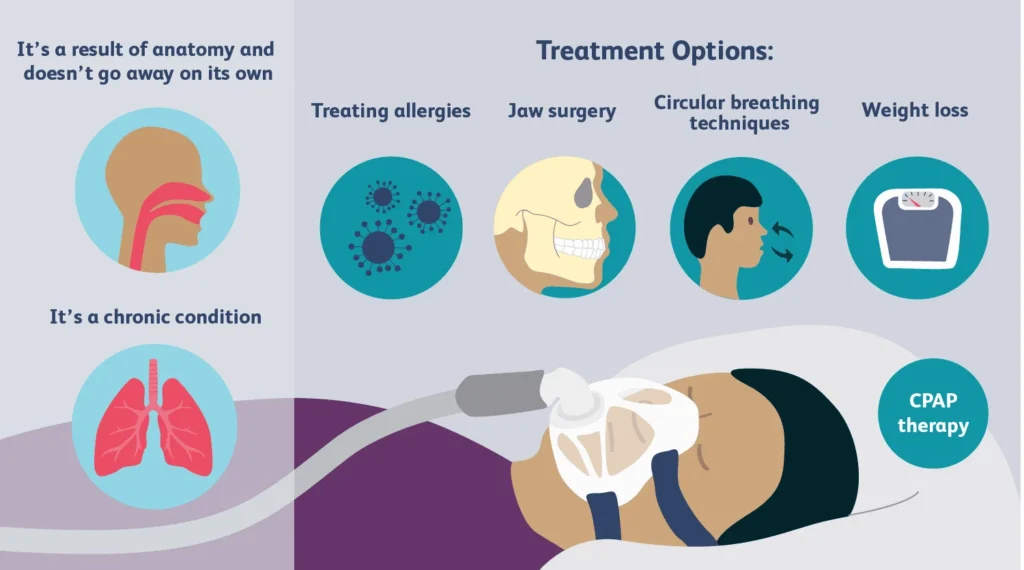
At the same time, dental sleep therapies are getting more attention in professional circles. If you’ve seen discussions about Saline nasal spray found to ease sleep apnea symptoms in children, you’ve seen the broader trend: snoring and sleep breathing issues are being treated more seriously.
A fast decision guide (If…then…)
If snoring is new, sudden, or tied to illness…then start simple and track it
Colds, allergies, and dry air can change how you breathe at night. Recent coverage has also highlighted basic nasal care in kids with sleep-disordered breathing, which fits the broader idea that congestion can worsen sleep. Keep it general for adults: if your nose is blocked, snoring can get louder.
Try low-risk basics first: hydrate, optimize bedroom humidity, and address nasal stuffiness with conservative options you already tolerate. Write down what changed (travel, alcohol, new meds, weight changes, stress). That record reduces guesswork and helps you avoid stacking too many interventions at once.
If you’re a “mouth-open” sleeper…then think airway + jaw position
Many people snore more when their jaw drops back and the tongue follows. That’s where mandibular advancement-style mouthpieces come into the conversation. The goal is mechanical: encourage a forward jaw position to keep the airway more open.
If you’re comparing devices, focus on comfort, adjustability, and materials. Skip anything that feels like a “one-night miracle.” In real life, sleep solutions work best when they’re boring and repeatable.
To explore device types, see anti snoring mouthpiece.
If your partner says you stop breathing, gasp, or choke…then get screened first
This is the safety line. Snoring can be harmless, but it can also show up with obstructive sleep apnea. If you have witnessed pauses in breathing, loud snoring most nights, morning headaches, or heavy daytime sleepiness, treat that as a screening problem, not a gadget problem.
A mouthpiece may still be part of a plan, but it’s smarter to confirm what you’re dealing with. That helps you avoid delays, wasted money, and avoidable risk.
If you have jaw pain, TMJ, loose teeth, or gum issues…then pause and protect your bite
Mouthpieces change forces on teeth and the jaw. If you already have TMJ symptoms, dental instability, or significant dental work, you’ll want a dental professional’s input before using one. This is also a good time to document your baseline: jaw soreness, tooth sensitivity, and how your bite feels in the morning.
If you’re burned out and “tired no matter what”…then don’t blame everything on snoring
Burnout and sleep debt can mimic each other. So can late caffeine, screen time, and irregular schedules. That viral “simple sleep tip” genre is popular for a reason: small changes can help. Still, fatigue isn’t always a snoring problem.
Use a two-week experiment. Keep bedtime and wake time steady, limit alcohol close to bedtime, and test side-sleeping. Add a mouthpiece only after you’ve stabilized the basics, so you can tell what’s actually working.
How to choose safely (and reduce regret)
Pick the least complicated option you can stick with
Comfort drives compliance. If it’s bulky, painful, or hard to clean, it won’t last. Look for smooth edges, clear instructions, and a realistic adjustment approach. If a device is adjustable, move slowly and keep notes.
Create a “sleep + snore log” to document choices
This is the low-effort step that protects you. Track: bedtime, alcohol, congestion, sleep position, mouthpiece use, morning jaw comfort, and how rested you feel. If you later talk with a clinician or dentist, you’ll have cleaner data than a vague memory.
Keep hygiene simple and consistent
Mouthpieces live in a warm, wet environment. Rinse after use, clean as directed, and let it dry fully. Replace it when it’s worn, cracked, or starts holding odor. Good hygiene reduces irritation and lowers the chance you quit because the device feels “gross.”
What people are talking about right now (and what to ignore)
Sleep gadgets are everywhere: rings, watches, apps, white-noise machines, and mouth devices with bold claims. Some reviews read like clinical deep dives, while others feel like pure hype. Here’s a grounded way to filter the noise:
- Pay attention to fit and comfort claims more than “instant results.”
- Be cautious with medical-sounding promises if there’s no clear screening guidance.
- Look for safety language (who shouldn’t use it, cleaning steps, and when to stop).
FAQ (quick answers)
Do anti-snoring mouthpieces work for everyone?
No. Snoring has multiple causes, and a mouthpiece mainly targets jaw-related airway narrowing.
Is snoring always a sign of sleep apnea?
No, but certain patterns should push you toward screening, especially gasping or heavy daytime sleepiness.
How long does it take to get used to a mouthpiece?
Often a short adjustment period. Comfort usually improves when fit is right and changes are gradual.
Can I use a mouthpiece if I have TMJ or dental work?
Be cautious. A dentist can help you avoid worsening jaw pain or bite changes.
How should I clean an anti-snoring mouthpiece?
Rinse and clean per instructions, then dry completely. Replace when it shows wear.
Next step: choose a path you can repeat
If snoring is disrupting your sleep or your relationship, you don’t need a dozen gadgets. You need one plan you can follow, plus a screening trigger you’ll respect. Start with basics, pick a mouthpiece with realistic comfort goals, and keep notes so you can make smarter adjustments.
How do anti-snoring mouthpieces work?
Medical disclaimer: This article is for general education and is not medical advice. It does not diagnose, treat, or replace care from a qualified clinician or dentist. If you have signs of sleep apnea (gasping, choking, witnessed breathing pauses, severe daytime sleepiness, or high blood pressure concerns), seek professional evaluation.