
Before you try anything for snoring, run this quick checklist:
- Confirm the problem: Is it snoring only, or snoring plus choking/gasping, pauses, or heavy daytime sleepiness?
- Check your nose tonight: Can you breathe comfortably through it, or are you forced into mouth-breathing?
- Track the pattern: Worse after alcohol, late meals, travel, or on your back?
- Protect your relationship: Decide on a short-term plan (earplugs, white noise) while you test fixes.
- Pick one change at a time: Otherwise you won’t know what helped.
Big picture: why snoring is suddenly everyone’s topic
Snoring isn’t just a “dad joke” anymore. It’s showing up in conversations about sleep gadgets, workplace burnout, and that constant feeling of being tired even after eight hours in bed.
Add travel fatigue to the mix. Hotel pillows, dry airplane air, and irregular bedtimes can turn a quiet sleeper into a chainsaw overnight. That’s why snoring fixes are trending like other practical health upgrades: quick, testable, and ideally non-dramatic.
One theme popping up in sleep coverage is the nose. General reporting has pointed to simple nasal comfort strategies being studied in kids with sleep-disordered breathing. If your nose is blocked, your sleep gets messy fast—even if your “sleep score” app says you were in bed long enough.
If you want to skim the broader conversation, see this related coverage: Saline nasal spray found to ease sleep apnea symptoms in children.
The emotional side: it’s not “just noise” to the person awake
Snoring creates a weird split-screen life. One person sleeps. The other negotiates pillow placement, bedroom exile, and the next day’s irritability.
It can also get awkward when the snoring improves but the sleeping-apart habit stays. That “we’re fine, we just don’t sleep together” dynamic is more common than people admit. Fixing the sound is only step one. Restoring trust in quiet nights is step two.
If you’re the snorer, the shame spiral doesn’t help. Treat it like any other health habit: test, measure, adjust. Keep it practical.
Practical steps: a simple plan that doesn’t require 12 new gadgets
Step 1: Clear the “easy wins” that amplify snoring
Snoring often spikes when your airway is irritated or your sleep is fragmented. These are common triggers people notice:
- Back sleeping: Gravity can pull soft tissue backward.
- Alcohol near bedtime: It can relax airway muscles.
- Late heavy meals: Reflux and discomfort can disrupt breathing.
- Travel dryness: Dry air can irritate the nose and throat.
- Burnout routines: “Revenge bedtime procrastination” leads to shorter, lighter sleep.
Pick one trigger and address it for a week. That’s enough time to see a pattern without turning your life into a sleep science project.
Step 2: Don’t ignore your nose (even if you’re shopping for a mouthpiece)
Nasal breathing supports quieter sleep for many people. When congestion hits, mouth breathing becomes the default, and snoring can get louder.
General health reporting has highlighted interest in simple nasal approaches, including saline, especially in pediatric sleep-disordered breathing research. That doesn’t mean it’s a cure-all. It does reinforce a useful idea: airway comfort matters, and the nose is part of the system.
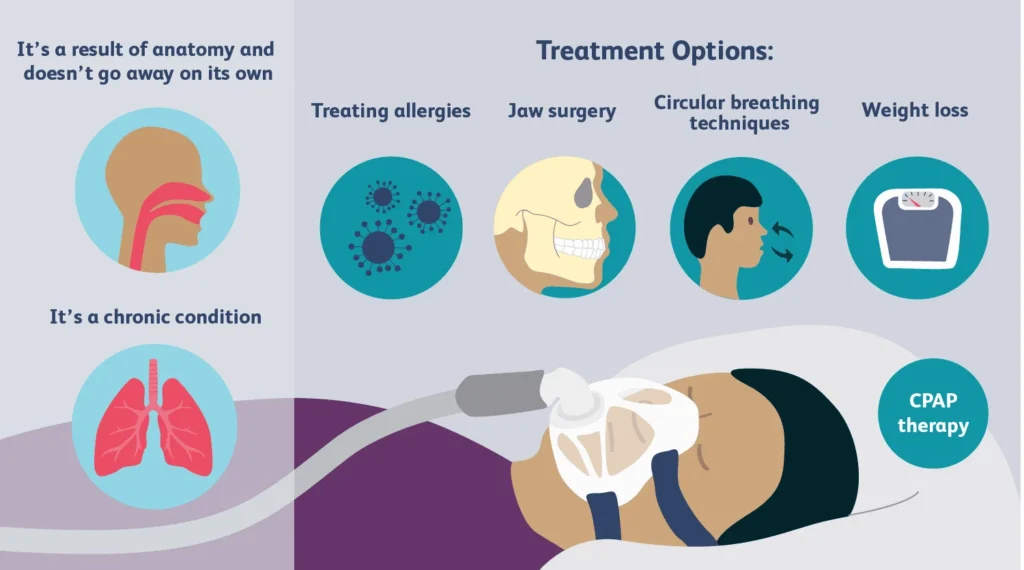
If you’re often blocked at night, consider discussing allergies, chronic congestion, or sinus issues with a clinician. For many households, this is the missing piece.
Step 3: Where an anti snoring mouthpiece fits
An anti snoring mouthpiece is designed to reduce snoring by improving airflow. Many styles work by gently positioning the lower jaw forward (mandibular advancement). Some focus on tongue positioning.
Why people like them right now: they’re a “hands-on” solution that doesn’t rely on perfect sleep hygiene, a new mattress, or a complicated smart device setup.
If you want a straightforward option to evaluate, see this anti snoring mouthpiece. A combo approach can be appealing if mouth-opening is part of your snoring pattern.
Safety and testing: how to try a mouthpiece without guessing
Run a 10-night test (and keep it honest)
Do a short trial so you’re not relying on vibes. Use the same pillow and typical bedtime when possible.
- Nights 1–3: Focus on comfort and fit. Expect an adjustment period.
- Nights 4–7: Track snoring reports from a partner or a simple recording app.
- Nights 8–10: Compare morning energy, dry mouth, and awakenings.
One note: if you change three things at once (mouthpiece, new pillow, nasal strips), you won’t know what worked.
Know when to stop and get checked
Stop using a device and seek professional advice if you develop significant jaw pain, tooth pain, or worsening headaches. Also get evaluated if snoring comes with choking/gasping, witnessed breathing pauses, or severe daytime sleepiness.
Medical disclaimer: This article is for general education and does not diagnose, treat, or replace medical advice. If you suspect sleep apnea or have ongoing symptoms, talk with a qualified clinician or dentist experienced in sleep-related breathing issues.
FAQ: quick answers people want before they buy
Will a mouthpiece fix my sleep quality immediately?
Some people notice improvement quickly, but sleep quality is multi-factor. Give it a fair trial and watch for comfort, consistency, and fewer awakenings.
What if my snoring is worse during travel?
Travel can add dryness, alcohol, and back-sleeping. Pack a simple routine and test one change at a time so you know what actually helps.
Do I still need to care about nasal breathing if I use a mouthpiece?
Yes. A mouthpiece can help airway position, but nasal comfort often affects how well you sleep and how likely you are to mouth-breathe.
CTA: make the next step easy
If snoring is costing you energy, patience, or a shared bed, keep the plan simple: address obvious triggers, support nasal comfort, then test a mouthpiece consistently.