
Snoring is no longer just a “funny” relationship problem. It’s showing up in burnout conversations, travel recovery plans, and every new sleep gadget thread. If your mornings feel like jet lag without the flight, it’s time to get direct about what’s happening at night.
Thesis: treat snoring like a sleep-quality issue first—then choose an anti snoring mouthpiece only after a quick, safety-minded screen.
Is snoring just noise—or a real sleep quality problem?
Snoring can be a simple vibration problem, but it often comes with fragmented sleep. Even when you don’t fully wake up, micro-arousals can leave you foggy and irritable. That’s why “I slept eight hours” can still feel like “I got hit by a truck.”
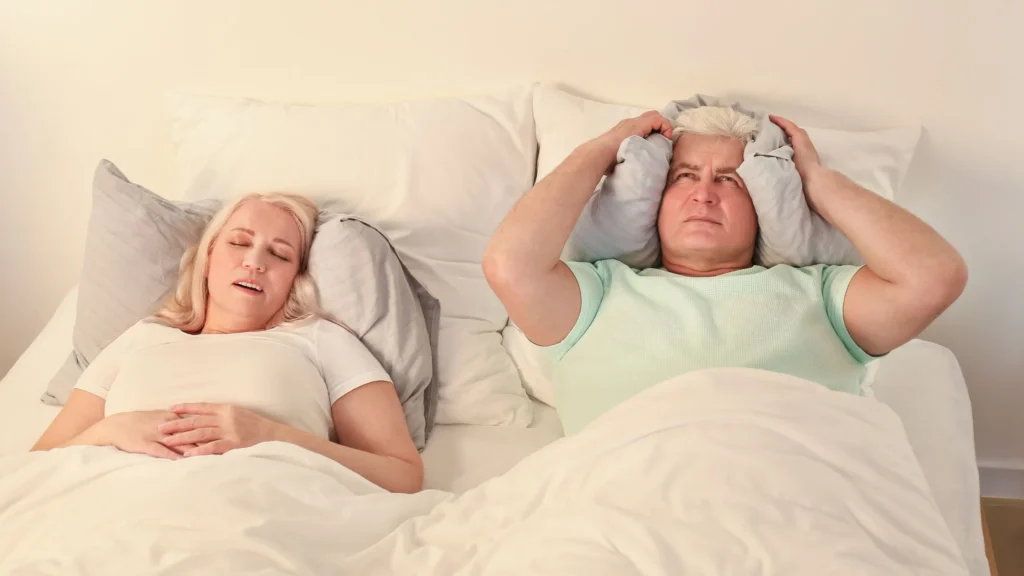
It also affects the person next to you. In real life, snoring turns into separate bedrooms, earplugs, and jokes that stop being funny. If your partner is tracking your snore score like a stock chart, that’s a signal the problem is big enough to address.
Why the conversation is shifting right now
Sleep trends are getting more practical. People are comparing mouthpieces, nasal tools, and routines the way they compare headphones. At the same time, guidance in the sleep world has been emphasizing that insomnia symptoms and sleep-disordered breathing can overlap, so “I can’t sleep” and “I snore” may be part of the same story.
If you want the broader context, see this coverage on New clinical practice guideline recognizes insomnia and sleep apnea can occur together.
How do you know if you should screen for sleep apnea first?
Home fixes are tempting, especially when you’re exhausted. Still, some snoring patterns deserve screening before you spend money—or before you mask a bigger issue.
Fast “don’t ignore this” checklist
- Witnessed pauses in breathing, choking, or gasping
- Loud snoring most nights, especially on your back
- Morning headaches, dry mouth, or high daytime sleepiness
- High blood pressure or heart risk factors (ask your clinician)
- Snoring plus persistent insomnia symptoms
If these are present, ask a clinician about evaluation. A mouthpiece can still be part of the plan, but you want the right plan.
What is an anti snoring mouthpiece—and when does it help?
An anti snoring mouthpiece is typically designed to reposition the lower jaw slightly forward during sleep. That forward position can reduce airway narrowing in some people. Less narrowing often means less vibration, which means less snoring.
This approach tends to fit best when snoring is worse on your back, after alcohol, or during periods of congestion and fatigue. It also appeals to people who want a travel-friendly option that doesn’t require a power cord or an app subscription.
When a mouthpiece is a poor match
- Significant jaw joint (TMJ) pain or frequent jaw locking
- Loose teeth, untreated gum disease, or major dental instability
- Severe nasal obstruction that forces mouth breathing nightly
- Symptoms strongly suggestive of untreated sleep apnea
What safety steps reduce risk (and regret)?
Most problems people report with mouthpieces come from two places: poor fit and poor hygiene. Handle both, and you reduce the odds of soreness, bite changes, and gross “mystery smells.”
Fit and comfort: document what you feel
Keep it simple and track your first two weeks. Note jaw soreness, tooth pressure, gum irritation, and morning bite changes. If pain escalates or your bite feels “off” for hours, stop and talk to a dentist.
Hygiene: treat it like a personal medical device
Rinse after each use and clean it daily per the product instructions. Let it dry fully in a ventilated case. Don’t share it, and don’t “test it” on a friend after a few drinks—yes, people do that.
Travel fatigue and workplace burnout: the real-world trap
When you’re run down, you’re more likely to stack snoring triggers: late meals, alcohol, irregular bedtime, and back sleeping in a hotel bed. A mouthpiece may help, but it won’t outrun a chaotic schedule by itself. Pair it with one consistent habit you can keep anywhere, like a fixed wake time or a short wind-down routine.
Do nasal tricks and simple tips matter if you use a mouthpiece?
They can. Snoring often has multiple inputs—jaw position, nasal airflow, sleep position, and arousal level. Some people combine a mouthpiece with basic nasal hygiene or congestion management, especially during allergy seasons or after flights.
Keep claims realistic: simple tips may reduce fatigue for some people, but they aren’t a substitute for screening when red flags show up. Think of them as “supporting actors,” not the entire cast.
What should you look for before buying?
- Clear instructions for fitting and adjustment
- Materials and care guidance that feel transparent, not vague
- Return policy in case fit doesn’t work for your mouth
- Comfort features if you tend to clench or wake easily
If you want a combined option, consider an anti snoring mouthpiece for added support in mouth-breathing situations. Choose based on your symptoms, not hype.
Common mistakes that keep snoring “unsolved”
- Skipping screening even when there are clear apnea signs
- Over-adjusting fast and creating jaw pain that ruins adherence
- Using it inconsistently and expecting stable results
- Ignoring partner feedback (they often notice changes first)
- Not cleaning it and then quitting because it feels “gross”
Medical disclaimer (read this)
This article is for general education and does not provide medical advice, diagnosis, or treatment. Snoring can be a sign of obstructive sleep apnea or other conditions. If you have choking/gasping, witnessed breathing pauses, severe daytime sleepiness, chest pain, or concerns about your health, contact a qualified clinician for evaluation.
Next step: If you want a clear explanation before you buy, start here.