
- Snoring isn’t just noise. It can quietly wreck sleep quality for two people at once.
- Sleep gadgets are trending. Mouthpieces, nasal tools, and trackers are everywhere—results vary.
- Relationships feel it first. Separate bedrooms can start as a joke and turn into a pattern.
- Travel and burnout amplify snoring. Dry air, fatigue, alcohol, and stress can make nights louder.
- An anti snoring mouthpiece is one option. It’s often about airway mechanics, not willpower.
The big picture: why snoring is suddenly everyone’s topic
Sleep is having a cultural moment. People swap tips on wearables, “sleep optimization,” and the newest bedside gadgets. At the same time, workplace burnout and constant travel have made tired mornings feel normal.
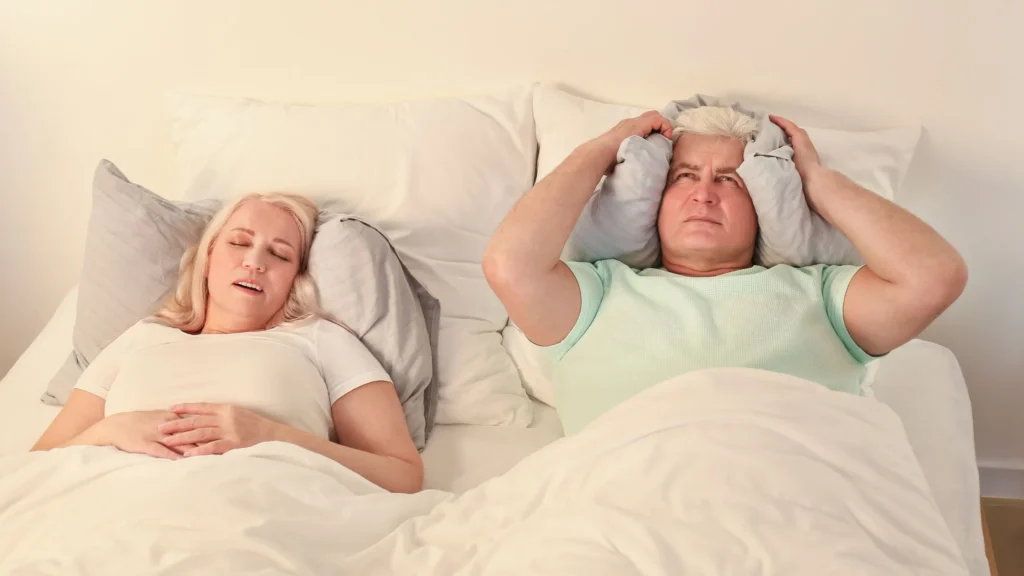
Snoring sits right in the middle of that conversation. It’s a simple problem on the surface, yet it can signal different underlying causes. That’s why the internet is full of reviews, rankings, and debates about what actually helps.
Recent health coverage has also put the nose in the spotlight, including discussion of saline nasal spray and sleep-related breathing symptoms in children. If you want the general context, see this link: Saline nasal spray found to ease sleep apnea symptoms in children. The takeaway for adults is simpler: nasal comfort and airflow matter, but snoring isn’t one-size-fits-all.
The emotional side: the “it’s fine” joke that stops being funny
Snoring has a social script. One partner laughs it off. The other partner buys earplugs. Then comes the couch night “just this once.”
Over time, it can create pressure that has nothing to do with love and everything to do with rest. You can care deeply about someone and still need quiet to sleep.
If you’re navigating this as a couple, aim for teamwork language. Try “Let’s test a few fixes for two weeks” instead of “You need to stop.” That shift lowers defensiveness and makes follow-through more likely.
Practical steps: a no-drama way to troubleshoot snoring
Step 1: notice patterns, not just volume
Before you buy anything, look for patterns. Does snoring spike after late dinners, alcohol, or long workdays? Does it show up more after flights or in dry hotel rooms?
Also pay attention to position. Many people snore more on their back. That clue can guide what you try first.
Step 2: clear the “nose vs. mouth” question
Some snoring is heavily tied to nasal congestion or dryness. Others are more about mouth breathing and airway shape during sleep.
That’s why “nose knows” style advice keeps circulating—because nasal airflow can be a real factor. Still, nasal support won’t solve every case, especially if the jaw and tongue position are doing most of the blocking.
Step 3: where an anti snoring mouthpiece can make sense
An anti snoring mouthpiece is usually designed to gently position the lower jaw forward during sleep. This can help keep the airway more open for certain people.
It’s often most relevant when:
- Snoring is worse on your back
- You wake with a dry mouth (suggesting mouth breathing)
- You’ve tried basic sleep-hygiene tweaks and still snore regularly
If you’re comparing options, start here: anti snoring mouthpiece. Keep your expectations realistic. Fit and comfort drive consistency, and consistency drives results.
Safety and testing: how to be smart about mouthpieces
Comfort is a safety feature
If a device hurts, you won’t use it. More importantly, pain can signal a bad fit. Mild adjustment discomfort can happen early, but sharp jaw pain, tooth pain, or headaches are not “powering through” territory.
Watch for bite and jaw changes
Mandibular advancement devices can stress the jaw in some people. If you notice bite changes, clicking that worsens, or lingering soreness, pause and consider professional guidance.
Know when snoring needs medical attention
Snoring can overlap with obstructive sleep apnea. Get evaluated if you have loud snoring plus choking/gasping, witnessed breathing pauses, high daytime sleepiness, or uncontrolled blood pressure.
Medical disclaimer: This article is for general education and does not provide medical advice. Snoring and sleep-related breathing issues can have different causes. For diagnosis, treatment decisions, or persistent symptoms, talk with a qualified clinician or dentist experienced in sleep-related breathing care.
FAQ: quick answers people are searching right now
Do anti-snoring mouthpieces work for everyone?
No. They’re most likely to help when jaw position contributes to airway narrowing. They’re less likely to help if congestion or another condition is the main driver.
Is snoring always a sign of sleep apnea?
No. Still, snoring plus gasping, pauses in breathing, or severe daytime fatigue should be taken seriously.
Can nasal spray fix snoring?
Sometimes, if dryness or congestion is involved. Coverage has discussed saline spray and sleep-related breathing symptoms in children, but adults should treat it as a general “nasal comfort” tool, not a guaranteed fix.
What’s the difference between a mouthguard and an anti-snoring mouthpiece?
A sports mouthguard protects teeth. Many anti-snoring mouthpieces are designed to adjust jaw position to support airflow.
CTA: get the basics clear before you buy
If you want a calmer bedroom and better mornings, start with a simple plan: track patterns for a week, pick one change to test, then add a device if needed.