
Five quick takeaways before you overthink it:
- Snoring is a sleep-quality problem for both people in the bed, even when it’s “not that bad.”
- An anti snoring mouthpiece is most relevant when jaw/tongue position is part of the issue.
- Nasal comfort still matters. Recent health chatter has spotlighted simple nose-focused approaches in certain situations.
- Gadgets are trending, but the best solution is the one you’ll actually use at 2 a.m.
- Relationship stress is real. A plan beats blame, especially during travel fatigue and burnout seasons.
Sleep is having a cultural moment. Wearables score your “readiness.” Hotels sell pillow menus. Social feeds push mouth tape, nasal strips, and every kind of sleep gadget. Meanwhile, plenty of couples are still negotiating the same late-night storyline: one person snores, the other person spirals, and everyone wakes up tired.
Below is a direct decision guide. It’s written for real life: work stress, travel nights, and the kind of relationship humor that’s funny until it isn’t.
Start here: the “If…then…” decision guide
If your snoring is loud, frequent, or comes with gasping…then treat it as a health flag
Snoring can be harmless, but it can also show up alongside sleep-disordered breathing. If you notice choking/gasping, morning headaches, high daytime sleepiness, or your partner reports pauses in breathing, put “get screened” on the list.
This isn’t about panic. It’s about not trying to DIY your way around something that deserves medical attention.
If your partner is losing sleep…then make it a shared problem (not a character flaw)
Snoring often turns into a nightly negotiation: earbuds vs. silence, couch vs. closeness, resentment vs. “I’m fine.” A better approach is teamwork.
Try a neutral script: “We’re both tired. Let’s test a couple of options for two weeks and see what actually improves sleep.” That’s a plan, not a fight.
If your snoring is worse on your back…then a mouthpiece may be worth testing
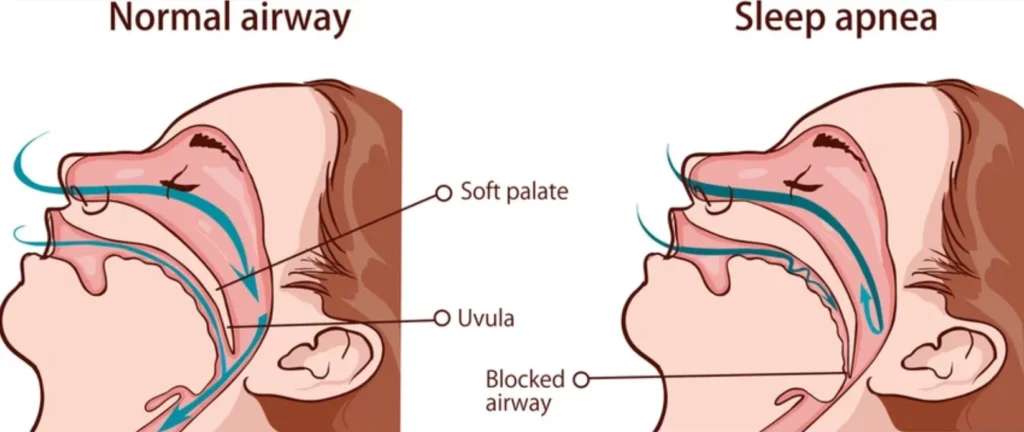
Many people snore more when they sleep on their back because gravity encourages the tongue and soft tissues to fall backward. This is where an anti snoring mouthpiece (often a mandibular advancement device) can make sense. It’s designed to hold the lower jaw slightly forward, which may help keep the airway more open.
Think of it like moving furniture out of a hallway. You’re not changing the house. You’re clearing the path.
If you wake up with a dry mouth or your partner hears “throat” snoring…then jaw/tongue position may be part of it
Not all snoring sounds the same. Some people describe it as coming from the throat, especially with open-mouth breathing. A mouthpiece can be a reasonable tool to trial when the tongue/jaw seems to play a role.
Comfort matters here. If it hurts, you won’t wear it. And if you won’t wear it, it can’t help.
If your nose feels blocked at night…then address nasal airflow first (or alongside)
When nasal breathing feels tough, people default to mouth breathing. That can amplify snoring and fragment sleep. Recent headlines have also highlighted nose-centered conversations, including reports of saline nasal spray being studied for easing certain sleep-related symptoms in children.
For adults, the takeaway is simple and general: nasal comfort is part of sleep comfort. If congestion is a regular issue, it’s worth discussing with a clinician, especially if it’s persistent.
Related reading you may see circulating in the news: Saline nasal spray found to ease sleep apnea symptoms in children.
If you’re traveling, burned out, or drinking more caffeine lately…then expect snoring to spike
Snoring often gets louder when routines get messy. Travel fatigue changes sleep position and timing. Burnout can increase light, fragmented sleep. Even “just one more coffee” can push bedtime later and make you more reactive to disturbances.
This is why snoring solutions trend: people want a quick fix for a very modern problem—too much life, not enough recovery.
How to choose an anti snoring mouthpiece without guesswork
Look for adjustability, not hype
Product reviews come and go, and you’ll see plenty of “does it really work?” headlines. The practical point: fit and comfort drive consistency. Devices that allow small adjustments can help you find a position you can tolerate through the night.
Plan a two-week trial like a mini experiment
Pick a simple success metric: fewer wake-ups, less partner nudging, less dry mouth, or fewer “I slept terribly” mornings. Track it briefly. Don’t rely on memory when you’re sleep-deprived.
Know the tradeoffs
Mouthpieces can cause jaw soreness, tooth discomfort, drooling, or bite changes in some people. Mild, short-term discomfort can happen during an adjustment period. Persistent pain is a stop sign.
If you want a combined approach: mouthpiece + chin support
Some sleepers do better when they address mouth opening and jaw position together. If that sounds like your pattern, you can look at an anti snoring mouthpiece as a single setup to test.
FAQ: quick answers people are asking right now
Are mouthpieces “sleep gadgets” or real tools?
They’re tools when they’re used consistently and matched to the right snoring pattern. They’re just gadgets when they live in a drawer.
What if my partner says I snore only sometimes?
That’s common. Alcohol, allergies, back-sleeping, and travel can turn “sometimes” into “every night” for a stretch.
Can I use a mouthpiece if I have dental work?
It depends on your teeth, gums, and dental history. If you have crowns, braces, TMJ issues, or significant dental sensitivity, ask a dental professional first.
CTA: pick the next step that reduces stress tonight
You don’t need a perfect solution to get a better week of sleep. You need a clear next step and a way to evaluate it.
How do anti-snoring mouthpieces work?
Medical disclaimer: This article is for general education and is not medical advice. Snoring can be a sign of a medical condition, including sleep apnea. If you have choking/gasping, witnessed pauses in breathing, significant daytime sleepiness, or other concerning symptoms, talk with a qualified clinician for evaluation.