
- Snoring is a sleep quality problem first, and a relationship problem second.
- Don’t start with expensive sleep gadgets. Start with the simplest, cheapest checks.
- An anti snoring mouthpiece targets jaw/tongue position, not every cause of snoring.
- Nasal breathing matters. Congestion can turn “light snoring” into “how are the walls vibrating?”
- Test changes like a mini experiment: 7–14 nights, track results, keep what works.
Big picture: why snoring feels everywhere right now
Snoring is having a cultural moment because sleep is having a moment. People are tracking sleep scores, trying new wearables, and buying “miracle” gadgets that promise a perfect morning. Add travel fatigue, late-night scrolling, and workplace burnout, and you get a predictable outcome: lighter sleep and louder snoring.
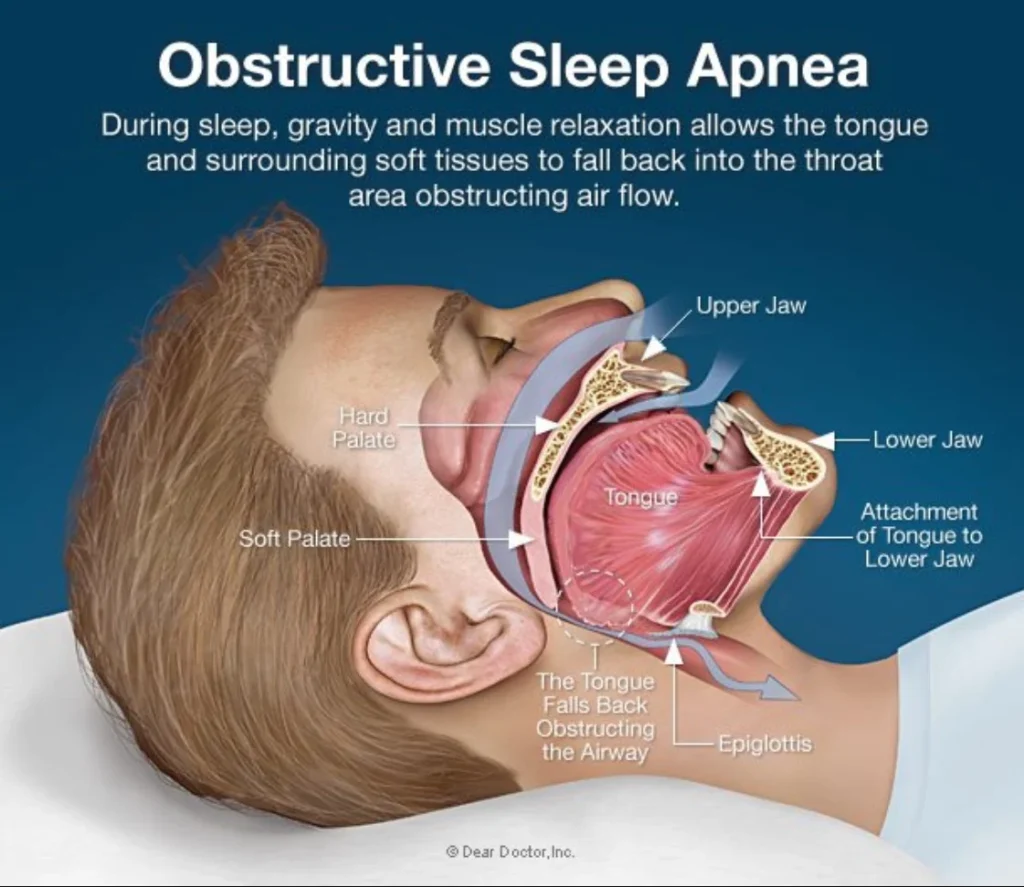
Some recent health coverage has also put extra attention on breathing during sleep, including discussions about nasal care and research interest in simple approaches. If you want a general reference point for what sleep apnea is and why it matters, review the overview from Mayo Clinic: sleep apnea symptoms and causes.
Snoring vs. “bad sleep”: they feed each other
Snoring can fragment sleep for the snorer and the person nearby. That means more micro-wakeups, less deep sleep, and more morning fog. Then stress hormones rise, sleep gets lighter, and snoring can get worse. It’s a loop.
The emotional side: when the snoring stops, but the distance stays
A lot of couples joke about “sleep divorce,” but the frustration is real. Even if snoring improves, habits can linger. One person stays hyper-alert. The other feels blamed for something they can’t fully control.
Make the goal simple: better sleep for both people, not “winning” the snoring argument. A practical plan reduces resentment because it replaces guesswork with a timeline and clear next steps.
Practical steps: the budget-first plan (no wasted cycle)
Run this like a low-stakes home trial. Keep it boring. Boring works.
Step 1: Do the fast checks (free)
- Sleep position: Back sleeping often makes snoring louder. Side-sleeping can help some people.
- Alcohol timing: Drinking close to bedtime can relax airway muscles and worsen snoring.
- Sleep debt: When you’re overtired, your airway can behave worse. Burnout weeks can be a snoring spike.
- Bedroom basics: Cool, dark, quiet. Yes, it’s obvious. It still matters.
Step 2: Clear the “nose bottleneck” (cheap)
If nasal breathing is restricted, airflow gets noisy and turbulent. That can push you toward mouth breathing, which can amplify snoring for some sleepers.
General health news has highlighted interest in simple nasal approaches in certain contexts, including discussion of saline spray in pediatric sleep-disordered breathing research. For a general, non-specific read, see: Saline nasal spray found to ease sleep apnea symptoms in children.
At home, the takeaway is simple: if your nose is regularly blocked at night, address that piece too. You’re trying to make breathing easier, not just quieter.
Step 3: Add an anti snoring mouthpiece (targeted)
An anti snoring mouthpiece is designed to help keep the airway more open by influencing jaw or tongue position. It’s not a “sleep tech flex.” It’s a mechanical, low-drama tool that can be worth trying when the pattern fits.
If you’re comparing options and want a starting point, review anti snoring mouthpiece and focus on comfort, adjustability, and how easy it is to keep clean.
Step 4: Track outcomes like a two-week experiment
- Nightly notes: snoring loudness (1–10), wakeups, morning headache/dry mouth, daytime sleepiness.
- Partner feedback: one sentence only. Long debates ruin the data.
- One change at a time: don’t stack five new hacks in one night.
Safety and testing: don’t ignore red flags
Snoring can be benign, but it can also overlap with sleep apnea. If you have choking or gasping, witnessed breathing pauses, significant daytime sleepiness, or high blood pressure, get evaluated. A mouthpiece may reduce noise while a bigger issue continues in the background.
Comfort checklist for mouthpieces
- Jaw pain or stiffness: mild adjustment can happen early. Persistent pain is a stop sign.
- Tooth soreness or bite changes: don’t push through it for weeks.
- Gagging or panic feeling: switch approach. Sleep should feel safer, not stressful.
Medical disclaimer: This article is for general education and is not medical advice. It does not diagnose, treat, or cure any condition. If you suspect sleep apnea or have concerning symptoms, talk with a qualified clinician.
FAQ
Do anti-snoring mouthpieces work for everyone?
No. They can help when jaw/tongue position contributes to snoring. They may not help if nasal blockage or sleep apnea is the main driver.
What’s the difference between snoring and sleep apnea?
Snoring is a sound from airflow resistance. Sleep apnea involves repeated breathing interruptions or shallow breathing and needs medical evaluation.
How fast should a mouthpiece help?
Some people notice changes within a few nights. Comfort and fit often take 1–2 weeks to settle.
Is it safe to use an anti-snoring mouthpiece every night?
It can be, but monitor jaw pain, tooth discomfort, headaches, or bite changes. Stop and reassess if issues persist.
Can nasal care and a mouthpiece be used together?
Often, yes. Better nasal breathing can reduce mouth breathing and may complement a mouthpiece plan.
When should I talk to a clinician instead of DIY?
If you have gasping, witnessed pauses, severe daytime sleepiness, or loud snoring that persists despite changes, get evaluated.
CTA: keep it simple and start the trial
If you’re done wasting money on random sleep gadgets, run the two-week plan and keep only what moves the needle. When jaw position seems like the issue, a mouthpiece is a reasonable next step.